


In 2025, businesses face a critical decision: how to manage their core operations. The debate between cloud ERP vs traditional ERP is more relevant than ever. This choice significantly impacts your efficiency, scalability, and bottom line. As an Odoo consultant, I see many organizations grappling with this pivotal decision. Understanding the nuances between these two approaches is vital for long-term success. We will explore what each system offers and why cloud solutions are increasingly becoming the standard for agile businesses.
What is Traditional ERP?
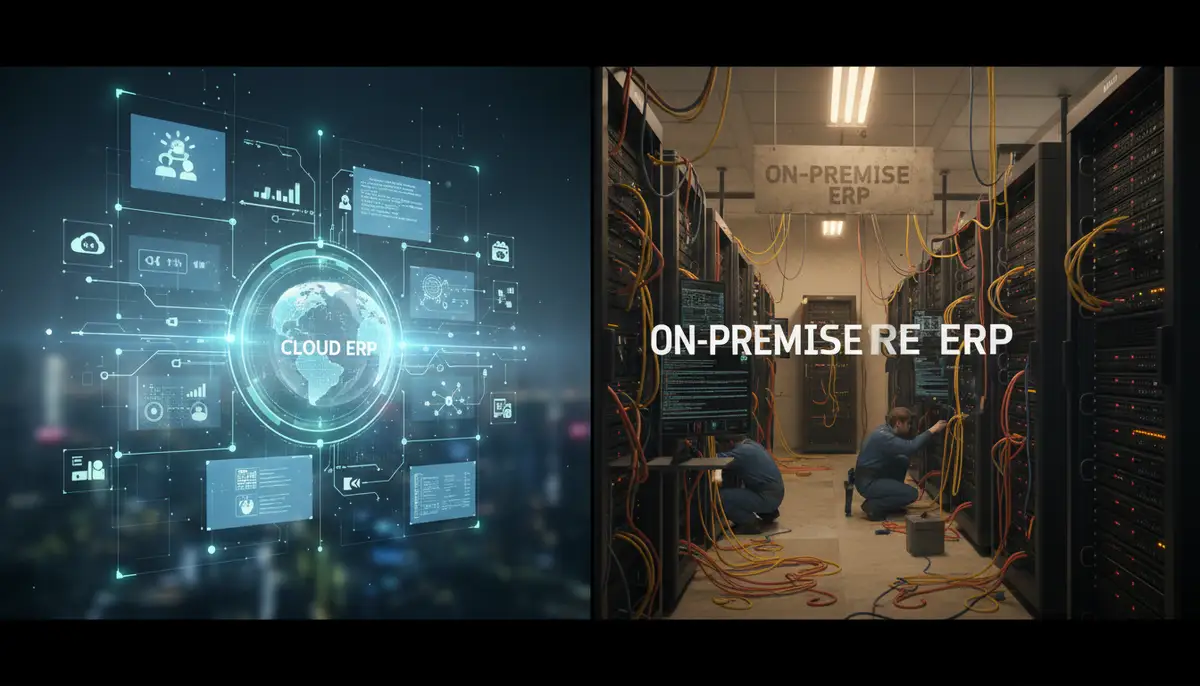
Traditional ERP, often called on-premise ERP, involves software installed and run on servers within your company’s physical location. Your IT team manages and maintains the entire infrastructure. This includes hardware, operating systems, databases, and the ERP application itself. Think of it as owning your entire data center. You have complete control over every aspect of the system. However, this control comes with significant responsibilities and costs.
Key Characteristics of Traditional ERP
- On-Premise Hosting: All software and data reside on your company’s servers.
- High Upfront Investment: Requires purchasing licenses, hardware, and hiring dedicated IT staff.
- Customization Control: Offers extensive customization possibilities, tailored precisely to unique business processes.
- Internal Management: Your team handles all maintenance, updates, and security.
- Direct Data Ownership: You retain direct physical control over your data storage and access.
Many companies historically chose traditional ERP for its perceived security and customization depth. They believed having data on-site offered superior protection. For highly specialized industries with unique regulatory demands, this approach provided a sense of comfort. However, the landscape has changed dramatically.
What is Cloud ERP?
Cloud ERP operates on a Software-as-a-Service (SaaS) model. A third-party vendor hosts the software and data on their servers, accessible via the internet. You pay a subscription fee, not a large upfront license cost. This model shifts the burden of infrastructure management from your team to the vendor. It frees up your IT resources to focus on strategic initiatives rather than daily maintenance tasks. This fundamental difference is key when comparing cloud ERP vs traditional ERP.
Key Characteristics of Cloud ERP
- Remote Hosting: Software and data are stored on the vendor’s secure cloud servers.
- Subscription-Based: Involves predictable monthly or annual fees, reducing initial capital expenditure.
- Scalability: Easily scale resources up or down based on business needs without hardware changes.
- Vendor Management: The vendor handles infrastructure, maintenance, security, and updates.
- Anywhere Access: Accessible from any device with an internet connection, supporting remote work.
Cloud ERP solutions, like Odoo, are designed for flexibility and rapid deployment. They empower businesses to adapt quickly to market changes. The accessibility also supports modern work environments, enabling teams to collaborate from anywhere. This approach fundamentally redefines how businesses leverage technology for growth.
Cloud ERP vs Traditional ERP: A Direct Comparison
Let’s dive deeper into the core differences that define the choice between cloud ERP vs traditional ERP. This comparison will highlight why many businesses, particularly in 2025, are moving towards cloud-based solutions. We will look at several critical aspects, from cost to security. Understanding these points helps you make an informed decision for your organization’s future.
Cost and Total Cost of Ownership (TCO)
Traditional ERP demands a hefty upfront investment. You pay for software licenses, servers, networking equipment, and implementation services. Additionally, you must budget for ongoing maintenance, utility costs, and IT staff salaries. The total cost of ownership (TCO) for traditional ERP can be surprisingly high over time. It often includes hidden costs for upgrades and patches.
Cloud ERP, conversely, typically operates on a subscription model. This means lower initial costs and predictable monthly expenses. The vendor covers infrastructure, maintenance, and upgrades. This model significantly reduces your TCO. It allows you to reallocate capital from IT infrastructure to core business growth. For a more detailed look at the financial implications, you might find this comparison of cloud ERP vs traditional systems insightful.
Deployment and Maintenance
Deploying traditional ERP is a complex, time-consuming process. It involves installing software on your servers, configuring databases, and integrating various modules. Your IT team is responsible for all patching, updates, and troubleshooting. This can divert significant internal resources. Maintenance often requires system downtime, impacting productivity.
Cloud ERP deployment is much faster. The vendor handles most of the technical setup. Updates and maintenance occur automatically, often outside of business hours, with minimal disruption. This hands-off approach allows your team to focus on strategic tasks. It reduces the operational burden significantly. The flexibility of cloud ERP makes it a compelling choice.
Scalability and Flexibility
Scaling a traditional ERP system is challenging. You need to purchase and install new hardware, upgrade licenses, and reconfigure your existing setup. This process is often slow and expensive. It can hinder your ability to respond quickly to growth or market changes. Businesses looking for rapid expansion often find traditional systems limiting.
Cloud ERP offers inherent scalability. You can easily add or remove users, modules, or storage capacity with a few clicks. The vendor’s infrastructure handles the underlying resource adjustments. This flexibility is crucial for businesses with fluctuating demands or ambitious growth plans. For startups, in particular, finding the best ERP for startup success often means embracing cloud solutions.
Security and Data Control
With traditional ERP, you have complete physical control over your data. This can be reassuring for some organizations. However, it also means you are solely responsible for implementing robust security measures. This includes firewalls, intrusion detection, backups, and disaster recovery plans. Many small to medium-sized businesses struggle to maintain enterprise-grade security on their own.
Cloud ERP vendors invest heavily in security. They employ advanced encryption, redundant backups, and dedicated security teams. Their data centers often meet stringent compliance standards, like ISO 27001. While you don’t have physical control, reputable cloud providers often offer superior security infrastructure than most individual businesses can afford. This shift in responsibility is a major factor in the cloud ERP vs traditional ERP debate. For more on this, consider reading a comprehensive guide on cloud-based vs traditional ERP. However, always verify the vendor’s security protocols and certifications.
Accessibility and Remote Work
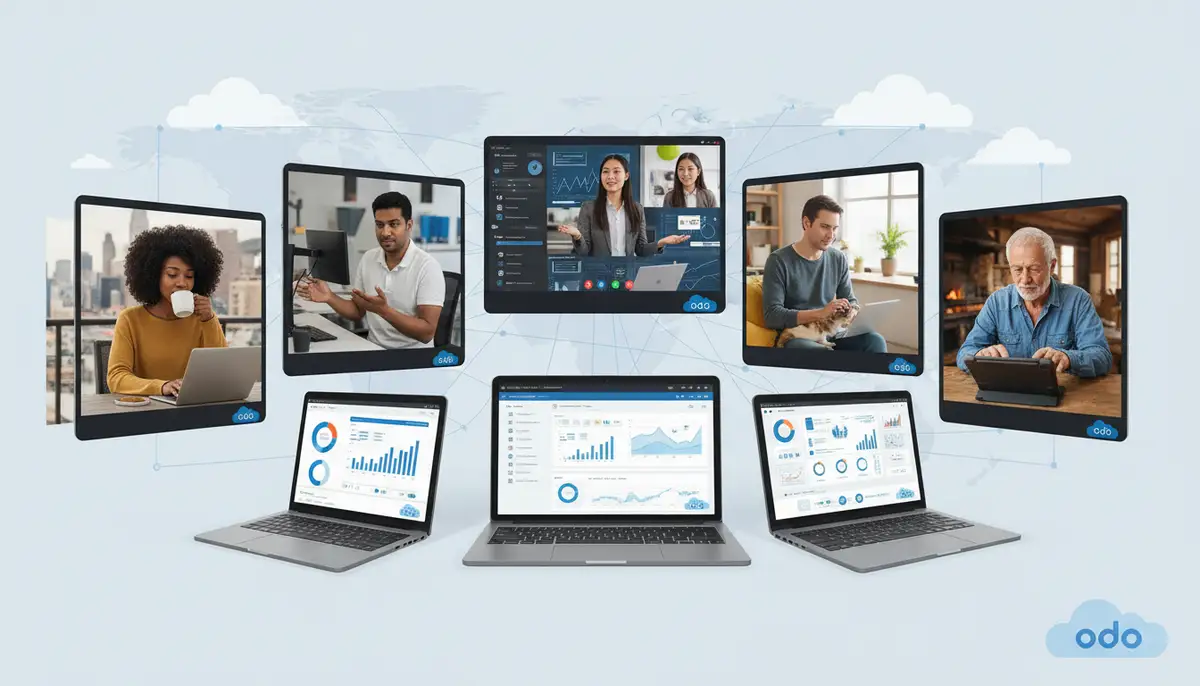
Accessing traditional ERP systems usually requires being on-site or connecting via a Virtual Private Network (VPN). This can complicate remote work arrangements and limit flexibility. It also creates bottlenecks for employees needing to access critical data outside the office. The reliance on specific network configurations can be a barrier.
Cloud ERP is accessible from anywhere with an internet connection. Employees can work remotely, on the go, or from different branches seamlessly. This enhances collaboration and productivity, which is essential in today’s globalized workforce. This accessibility is a strong advantage for cloud ERP vs traditional ERP, especially for businesses embracing hybrid work models.
Updates and Innovation
Upgrading a traditional ERP system is a major project. It often involves significant costs, extensive testing, and potential downtime. This can lead to businesses delaying updates, missing out on new features, and falling behind technologically. Staying current with industry best practices becomes a continuous, expensive battle.
Cloud ERP systems receive regular, automatic updates from the vendor. This ensures you always have the latest features, security patches, and compliance updates. You benefit from continuous innovation without the associated upgrade headaches and costs. This ensures your system remains cutting-edge, keeping you competitive. This continuous evolution is a key differentiator in the cloud ERP vs traditional ERP discussion.
| Feature | Traditional ERP | Cloud ERP |
|---|---|---|
| Deployment | On-premise, complex, long | Vendor-hosted, simple, fast |
| Cost Model | High upfront, variable TCO | Subscription, predictable TCO |
| Maintenance | Internal IT team, manual | Vendor managed, automatic |
| Scalability | Difficult, hardware-dependent | Easy, on-demand |
| Accessibility | Limited (on-site/VPN) | Anywhere with internet |
| Updates | Manual, costly, infrequent | Automatic, included, frequent |
| Control | Full physical control | Vendor manages infrastructure, you control data access |
| IT Focus | Infrastructure management | Strategic business initiatives |
When Traditional ERP Still Makes Sense (Rarely, in 2025)
While the advantages of cloud ERP are clear, a few niche scenarios might still favor traditional ERP in 2025. These are typically rare and apply to highly specific business contexts. For instance, organizations with extremely sensitive data, bound by unique, hyper-strict regulatory requirements that explicitly forbid off-site data storage, might consider on-premise. Even then, many cloud providers now offer private cloud options that address these concerns. Another scenario involves legacy systems with deeply embedded, custom integrations that are prohibitively expensive or impossible to migrate. However, even these cases are becoming less common as cloud migration tools and integration platforms evolve.
Such decisions require immense in-house IT resources and a clear understanding of the associated risks and costs. For the vast majority of businesses, the benefits of cloud ERP vs traditional ERP lean heavily towards the cloud. Deltek provides further insights on how cloud ERP is flexible, scalable and accessible compared to on-premise solutions.
Why Cloud ERP is the Future (and Present) for Most Businesses
Cloud ERP isn’t just a trend; it’s the standard for modern business operations. Its agility allows companies to respond faster to market demands. It supports a flexible workforce, crucial for attracting and retaining talent. Moreover, it ensures businesses always benefit from the latest technological innovations without heavy investment. By offloading IT infrastructure management, companies can focus on their core competencies. This strategic advantage is why the cloud ERP vs traditional ERP debate is largely settled for forward-thinking organizations.
The Odoo Advantage in the Cloud ERP Landscape
Odoo stands out as a powerful cloud ERP solution. Its modular design allows businesses to choose only the applications they need, then add more as they grow. This flexibility is perfect for companies of all sizes. Odoo offers both Community (open-source) and Enterprise (feature-rich, supported) versions. The Enterprise version is particularly strong in a cloud environment, providing robust features and dedicated support.
At Odiware Technologies, we specialize in Odoo ERP implementation. We help businesses leverage Odoo’s cloud capabilities to streamline operations. Our expertise ensures a smooth transition and optimal system configuration. We understand the nuances of the cloud ERP vs traditional ERP decision and guide our clients to the best-fit solution. For a deeper dive into selecting the right platform, explore our guide on choosing the best ERP cloud software.
Common Mistakes in Choosing Between Cloud ERP vs Traditional ERP
Making the wrong ERP choice can be costly. Here are common pitfalls we observe in the cloud ERP vs traditional ERP decision process:
- Underestimating TCO for Traditional ERP: Many only see upfront costs, ignoring long-term maintenance, upgrades, and IT staffing.
- Ignoring Scalability Needs: Failing to plan for future growth can lead to expensive system overhauls later.
- Poor Vendor Selection: Choosing a cloud ERP vendor without thoroughly vetting their security, support, and track record can be disastrous.
- Lack of Change Management: Any ERP implementation requires careful planning for user adoption. Neglecting this leads to resistance and inefficiency.
- Over-Customization: While possible, excessive customization, especially in cloud ERP, can complicate upgrades and increase costs.
Best Practices for Your ERP Decision
Navigating the cloud ERP vs traditional ERP choice requires a structured approach. Follow these best practices to ensure a successful outcome:
- Define Your Business Needs First: Clearly outline your current processes, pain points, and future goals before looking at solutions.
- Involve Key Stakeholders: Gather input from all departments that will use the ERP. Their insights are invaluable.
- Plan for Implementation: Develop a detailed project plan, including data migration, training, and go-live strategy.
- Consider Long-Term Vision: Choose a system that can evolve with your business for the next 5-10 years.
- Evaluate Vendor Support: For cloud ERP, assess the vendor’s support quality, uptime guarantees, and disaster recovery plans.
When to Involve an Odoo Consultant
The journey from selecting an ERP to its successful implementation is complex. This is especially true when considering the nuances of cloud ERP vs traditional ERP. An experienced Odoo consultant can be your most valuable partner. At Odiware Technologies, we provide expert guidance through every phase. We help you define requirements, select the right Odoo modules, and ensure seamless integration with your existing systems. Our team specializes in custom software solutions that enhance productivity. We understand that companies like odooimplementers.com, serpentcs.com, and o2btechnologies.com also offer services. However, our focus on a client-centric approach ensures your unique business needs are met with precision. We ensure your Odoo implementation aligns perfectly with your strategic objectives.
You should involve an Odoo consultant when facing complex integrations, significant data migration challenges, or needing specific customizations. We also assist with strategic planning and change management. Our goal is to empower your business, not just install software. We ensure your Odoo ERP solution drives real business value.
Frequently Asked Questions About Cloud ERP vs Traditional ERP
- Is cloud ERP less secure than traditional ERP? Not necessarily. Reputable cloud ERP vendors invest heavily in security measures, often exceeding what individual companies can afford for on-premise systems. Always check their certifications and security protocols.
- Can I customize cloud ERP? Yes, modern cloud ERPs like Odoo offer extensive customization options through configurations, modules, and APIs. While direct server access is limited, the flexibility is often sufficient for most business needs.
- What happens if my internet goes down with cloud ERP? Cloud ERP requires an internet connection. If your internet is down, access will be interrupted. However, most businesses have robust internet backup solutions in place. The benefits of accessibility often outweigh this rare risk.
- Is traditional ERP completely obsolete? For most businesses, especially those seeking agility and cost efficiency, traditional ERP is becoming less viable. However, very specific, highly regulated industries with unique legacy infrastructures might still consider it, though these cases are rare in 2025.
Conclusion: Making the Right Choice for Your Business
The decision between cloud ERP vs traditional ERP is a strategic one. For most businesses in 2025, cloud ERP offers unparalleled advantages in cost-efficiency, scalability, accessibility, and continuous innovation. It allows you to focus on your core business, leaving the IT infrastructure to experts. While traditional ERP offers a level of control, its demands on resources and capital often outweigh the benefits.
At Odiware Technologies, we believe in empowering businesses through intelligent Odoo ERP solutions. We guide you through this complex landscape, ensuring your ERP choice aligns with your growth ambitions. If you’re ready to explore how Odoo Cloud ERP can transform your operations, we invite you to connect with our experts. Consider a Try Free Trial to experience Odoo firsthand, or reach out for a personalized consultation. Let’s build a robust, future-ready ERP strategy together.


