


In today’s fast-evolving business landscape, managing human resources effectively is more critical than ever. Organizations are constantly seeking innovative solutions to streamline their HR operations. One such innovation that has revolutionized the industry is cloud based hrms software. This technology is not just a trend; it is a fundamental shift in how businesses manage their most valuable asset: their people. By 2025, a robust cloud based hrms software is essential for any forward-thinking enterprise.
What Exactly is Cloud Based HRMS Software?
Cloud based hrms software, or Human Resource Management System, leverages cloud computing to deliver HR functionalities over the internet. Instead of installing software on local servers, you access it via a web browser. This means your data and applications reside on remote servers managed by a third-party provider. This model offers unparalleled flexibility and accessibility. It allows your HR team to manage tasks from anywhere, at any time, with an internet connection. Think of it as HR on demand.
This approach reduces the need for costly on-premise infrastructure. It also minimizes the burden on your IT department. The provider handles updates, maintenance, and security. This frees up your internal resources. You can then focus on strategic HR initiatives. This is a significant advantage for businesses of all sizes.
The Core Advantages of Adopting Cloud Based HRMS Software
- Enhanced Accessibility: Access HR data and tools from any location, fostering remote work and flexibility.
- Cost Efficiency: Reduce capital expenditure on hardware, software licenses, and IT maintenance. You pay a subscription fee instead.
- Scalability: Easily scale your HR system up or down as your workforce changes. This supports business growth without major overhauls.
- Improved Data Security: Cloud providers invest heavily in security measures, often exceeding what individual businesses can afford. Your data is protected by experts.
- Automatic Updates: Benefit from continuous software improvements and compliance updates without manual intervention. You always have the latest features.
- Better Employee Experience: Empower employees with self-service portals for leave requests, payslips, and personal data updates. This improves engagement.
Why 2025 is the Year for Cloud Based HRMS Software Adoption
The shift towards hybrid and remote work models has accelerated the need for agile HR solutions. Traditional HR systems often struggle to support a distributed workforce. Cloud based hrms software, however, is built for this modern reality. It provides the tools necessary to manage recruitment, onboarding, performance, and payroll across different locations. This ensures consistency and compliance.
Moreover, data-driven decision-making is no longer a luxury; it’s a necessity. Modern cloud HRMS solutions offer powerful analytics and reporting capabilities. These insights help HR leaders understand workforce trends. They can also identify areas for improvement. This strategic approach to HR directly impacts business performance. You can find comprehensive insights on leading solutions by checking out Forbes Advisor’s analysis of top providers.

Key Features to Look for in Your Cloud Based HRMS Software
When evaluating cloud based hrms software, consider a solution that offers a comprehensive suite of modules. These modules should cover the entire employee lifecycle. Here are some critical features:
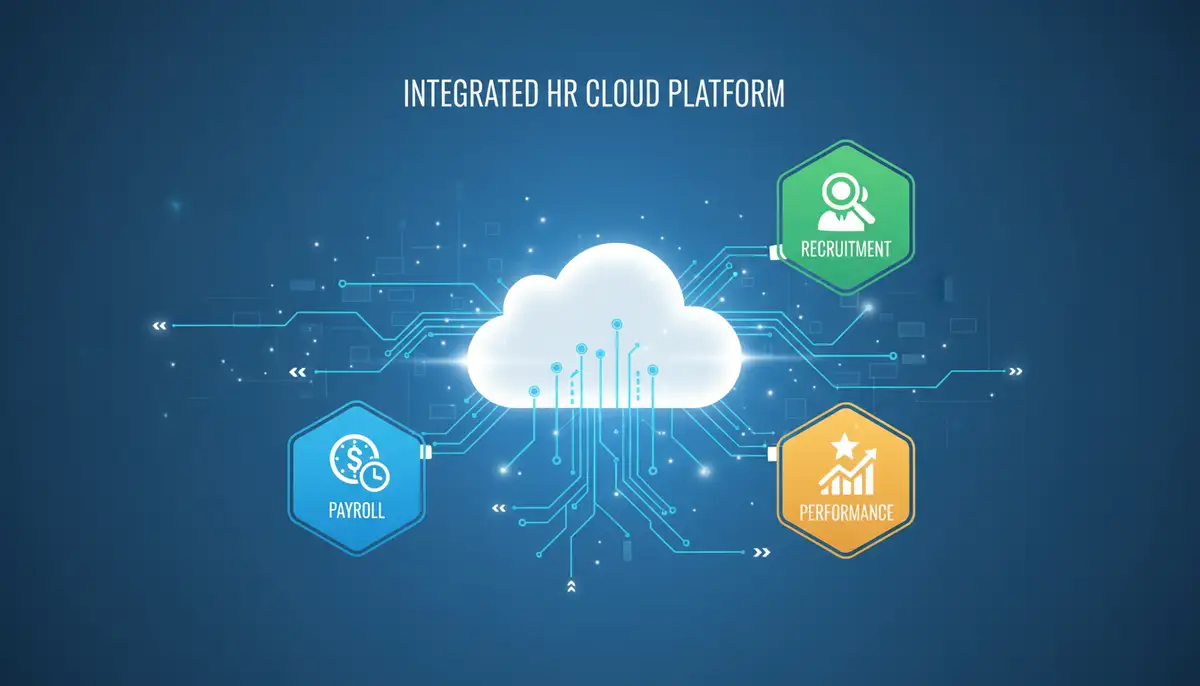
- Recruitment & Onboarding: Tools for applicant tracking, interview scheduling, and a smooth onboarding process. This sets new hires up for success.
- Core HR & Employee Database: Centralized storage for employee information, organizational charts, and document management. This ensures data accuracy.
- Payroll Management: Automated payroll processing, tax compliance, and direct deposit capabilities. This reduces errors and saves time.
- Time & Attendance: Tracking employee work hours, absences, and leave requests. This ensures fair compensation and compliance.
- Performance Management: Goal setting, performance reviews, feedback mechanisms, and development plans. This fosters growth.
- Learning & Development (L&D): Tools for training management, course tracking, and skill development. This enhances employee capabilities.
- Employee Self-Service (ESS): Portals for employees to manage their personal information, request leave, and access payslips. This empowers them.
- HR Analytics & Reporting: Dashboards and reports to gain insights into HR metrics, workforce trends, and compliance. This supports strategic decisions.
Odoo as a Comprehensive Cloud Based HRMS Software Solution
Odoo stands out as a powerful, integrated solution for businesses seeking cloud based hrms software. It is not just an HRMS; it’s a full-fledged ERP system with robust HR capabilities. This integration is a game-changer. It means your HR data can seamlessly connect with finance, project management, and CRM. This eliminates data silos and improves overall operational efficiency. For instance, Zoho People offers intuitive HR software with a focus on employee experience, but Odoo’s strength lies in its comprehensive ERP integration.
With Odoo, you get modules for recruitment, appraisals, time off, expenses, and even fleet management, all under one roof. This unified approach simplifies data management. It also provides a single source of truth for all your business operations. As an Odoo ERP consulting services provider, Odiware Technologies has extensive experience in deploying Odoo HR solutions. We tailor them to meet specific business needs. We understand that choosing the best ERP cloud software is a strategic decision.
Implementation Challenges and Best Practices
Implementing new cloud based hrms software can present challenges. These often include data migration, user adoption, and customization needs. However, with careful planning and the right partner, these can be overcome. Here are some best practices:
- Define Clear Objectives: Understand what you want to achieve with the new system. What problems are you solving?
- Data Cleansing: Ensure your existing HR data is accurate and ready for migration. Clean data prevents future issues.
- Phased Rollout: Consider implementing modules in stages. This allows your team to adapt gradually.
- Comprehensive Training: Provide thorough training for all users. This boosts adoption and proficiency.
- Secure Executive Buy-In: Leadership support is crucial for successful change management. Their endorsement drives engagement.
- Choose the Right Partner: Work with experienced consultants who understand your business and the software. This is paramount for success.
Common Mistakes to Avoid with Cloud Based HRMS Software
Even with the best intentions, businesses can make mistakes during HRMS implementation. Avoiding these pitfalls can save time and resources.
- Underestimating Customization Needs: While cloud solutions offer out-of-the-box features, your unique processes might require specific configurations. Don’t assume one size fits all.
- Ignoring Employee Feedback: Users are key. Involve employees in the selection and implementation process to ensure the system meets their needs and gains their acceptance.
- Neglecting Data Security Protocols: Even with cloud providers managing security, you still have a role. Understand your shared responsibilities and internal protocols.
- Choosing Based Solely on Price: The ‘cheapest’ option is rarely the best. Focus on value, features, and long-term fit. For more on this, read our article on understanding the true cost of HRMS solutions.
- Lack of Integration Planning: Ensure your cloud based hrms software can integrate with other critical business systems. Siloed systems defeat the purpose of efficiency.
When to Involve an Odoo Consultant for Your Cloud Based HRMS Software
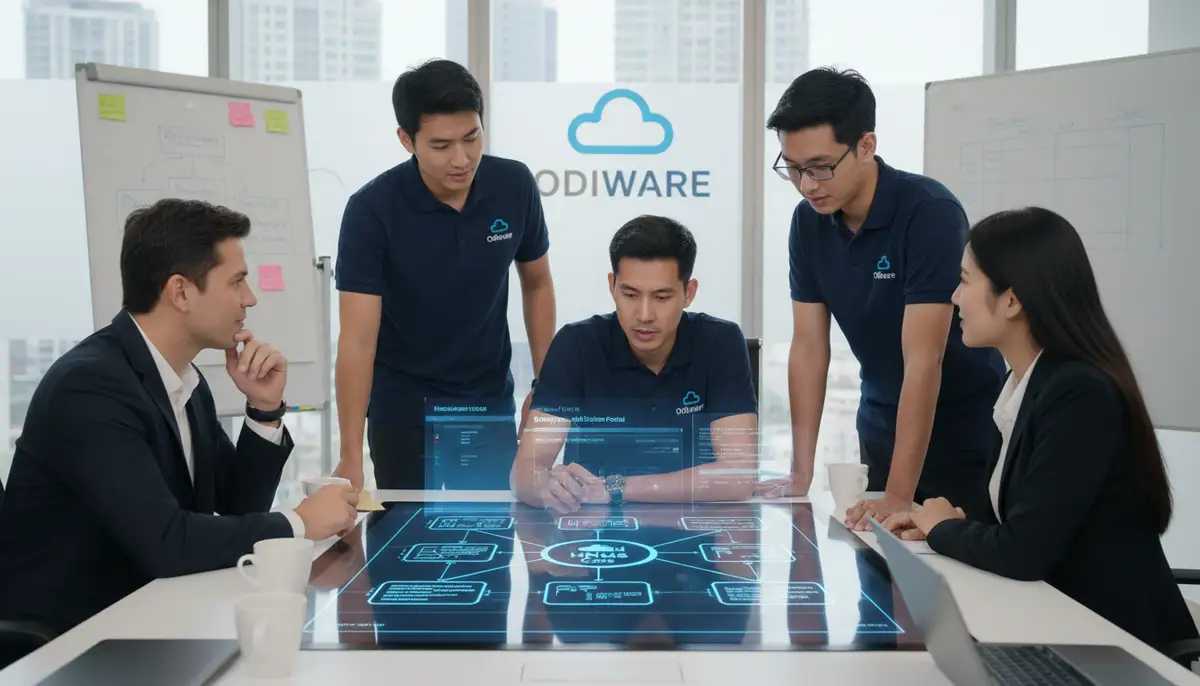
While the benefits of cloud based hrms software are clear, the journey from selection to full implementation requires expertise. This is especially true for integrated platforms like Odoo. Odiware Technologies specializes in Odoo ERP implementation and custom software solutions. We help businesses streamline operations and enhance productivity. We recommend engaging an Odoo consultant when you:
- Need a tailored solution that aligns with your unique business processes.
- Require seamless integration with existing ERP, CRM, or financial systems.
- Lack internal resources or expertise for complex data migration and configuration.
- Want to optimize your HR workflows for maximum efficiency and compliance.
- Seek strategic guidance on leveraging Odoo’s full potential for HR and beyond.
Companies like serpentcs.com, cybrosys.com, and odooimplementers.com also offer Odoo services. However, Odiware brings a deep understanding of the Indian market and a proven track record. We focus on delivering solutions that drive tangible business impact. Dayforce’s cloud-based HR capabilities highlight the importance of streamlining HR, a core tenet of our Odoo implementations.
Comparative Look: Traditional vs. Cloud HRMS
To further illustrate the advantages, let’s compare traditional on-premise HR systems with modern cloud based hrms software:

| Feature | Traditional HRMS (On-Premise) | Cloud Based HRMS Software |
|---|---|---|
| Deployment | Requires local servers and IT infrastructure. | Accessed via web browser, hosted remotely. |
| Cost Structure | High upfront capital expenditure for hardware and licenses. | Subscription-based (SaaS), lower upfront costs. |
| Maintenance & Updates | Manual updates, IT team handles maintenance. | Automatic updates and maintenance by provider. |
| Accessibility | Limited to office network, remote access often complex. | Anywhere, anytime access with internet connection. |
| Scalability | Difficult and costly to scale up or down. | Easily scalable to match business growth. |
| Security | Dependent on internal IT security measures. | Provider invests heavily in enterprise-grade security. |
Frequently Asked Questions (FAQs)
Q1: Is cloud based hrms software secure?
Yes, reputable cloud HRMS providers invest heavily in security. They use advanced encryption, firewalls, and regular audits. Your data is often more secure than on-premise systems. This is because providers specialize in data protection.
Q2: Can cloud HRMS integrate with other business systems?
Absolutely. Most modern cloud based hrms software, especially platforms like Odoo, offer robust integration capabilities. They connect with accounting, CRM, and project management tools. This creates a unified business ecosystem.
Q3: What’s the typical implementation timeline for cloud based hrms software?
The timeline varies based on complexity and customization. A basic implementation might take a few weeks. A comprehensive, integrated solution can take several months. Proper planning with an expert consultant shortens this time.
Q4: Is cloud HRMS suitable for small businesses?
Yes, cloud based hrms software is highly beneficial for small businesses. It offers enterprise-level features at an affordable subscription cost. This helps small businesses compete and grow. It also reduces their IT overhead.
Conclusion: Embrace the Future of HR with Cloud Based HRMS Software
The adoption of cloud based hrms software is no longer optional. It is a strategic imperative for businesses aiming for efficiency, agility, and employee satisfaction in 2025 and beyond. By choosing the right solution and partnering with experienced consultants, you can transform your HR function. You will move it from an administrative burden to a strategic asset. Odiware Technologies is here to guide you through this transformation. We ensure your Odoo-based cloud HRMS solution perfectly aligns with your business goals. Take the first step towards a more efficient and empowered workforce today. Contact us to discuss your specific needs.


