


Why Odoo ERP Integration is Your Business Imperative in 2025
In today’s fast-paced business world, fragmented systems are a significant roadblock. Many companies struggle with disconnected data and inefficient workflows. This often leads to missed opportunities and operational headaches. A robust Odoo ERP integration strategy is no longer a luxury; it’s a necessity. It ensures all your critical business functions communicate seamlessly. As experienced Odoo consultants at Odiware, we see this challenge daily. We help businesses like yours achieve true operational harmony. Understanding Odoo ERP integration is the first step toward unlocking your full potential.
By 2025, businesses must operate with agility and precision. Siloed departments cannot keep up with market demands. This is where the power of Odoo ERP integration truly shines. It brings together your sales, inventory, accounting, and more into one unified platform. This guide will explore the critical aspects of Odoo ERP integration. We will cover best practices, common pitfalls, and when to seek expert guidance. Our goal is to empower your strategic decisions.
Understanding Odoo ERP Integration
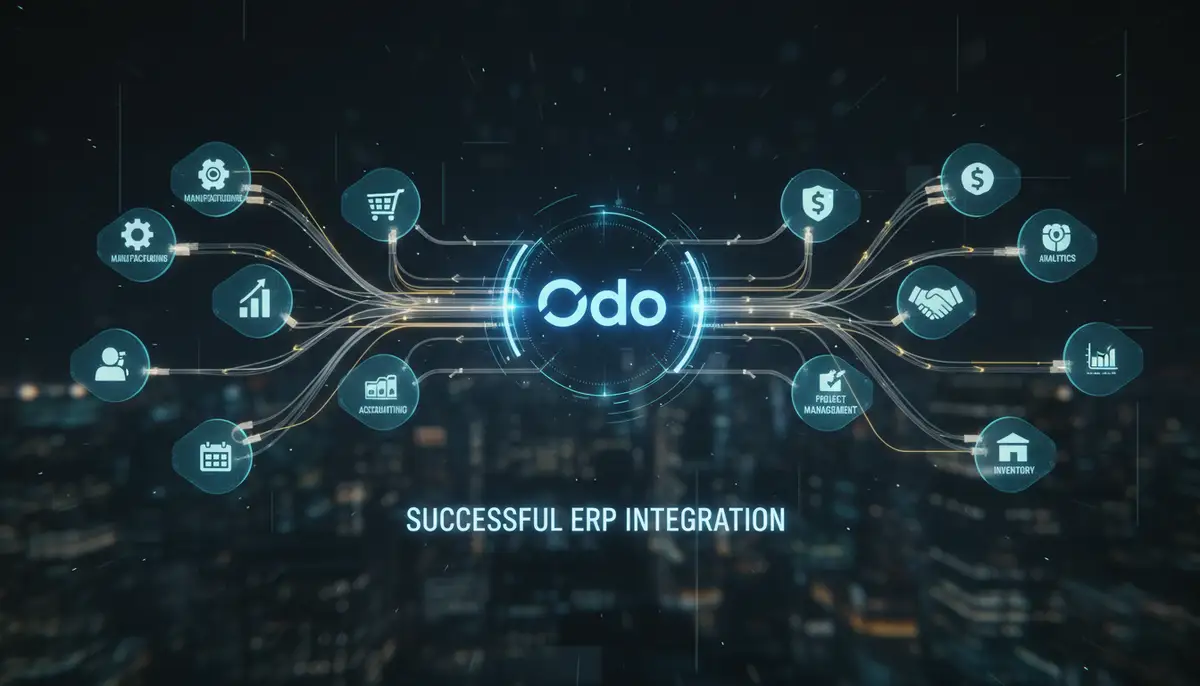
Odoo is a comprehensive suite of business applications. It covers everything from CRM to project management and manufacturing. This comprehensive suite of business applications makes it a powerful core for any business. Odoo ERP integration refers to connecting Odoo with other software systems. These might be your existing e-commerce platform, a specialized CRM, or a legacy accounting system. The aim is to create a single source of truth for your business data. This eliminates manual data entry and reduces errors. It also provides a holistic view of your operations.
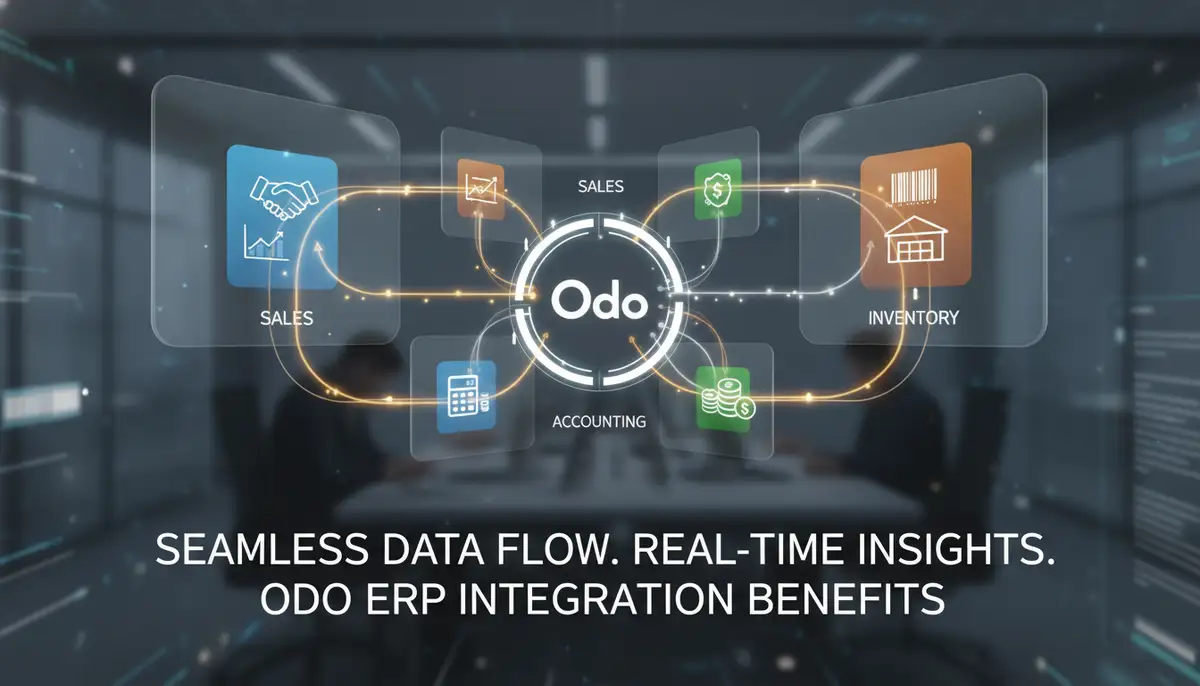
Effective Odoo ERP integration means data flows automatically. For example, an order placed on your website instantly updates inventory in Odoo. It also creates an invoice in your accounting module. This level of automation saves time and boosts accuracy. It also allows your teams to focus on strategic tasks. Think of it as building intelligent bridges between your various digital tools. These bridges ensure every part of your business works together smoothly.
Why is Odoo ERP Integration Critical in 2025?
The business landscape evolves rapidly. Companies need real-time data to make informed decisions. Odoo ERP integration provides this crucial insight. It breaks down data silos between departments. This creates a unified operational view. Consider a scenario where your sales team lacks current inventory data. They might promise products that are out of stock. This leads to customer dissatisfaction and lost revenue. With proper Odoo ERP integration, this problem disappears. Sales teams see real-time stock levels. This allows them to manage customer expectations effectively.
Furthermore, an integrated system enhances customer experience. Customers expect fast, accurate service. An integrated Odoo system ensures all customer interactions are logged. It also ensures order histories are accessible. This allows your support team to provide personalized and efficient service. From a strategic perspective, how an integrated ERP can revolutionize your business becomes clear. It empowers agility, reduces operational costs, and drives growth. This is especially true for businesses looking for a guide to finding the best open-source ERP. You can gain valuable insights from our article on [/blog/best-erp-open-source].
Key Integration Scenarios and Their Impact
Odoo offers incredible flexibility. This means it can integrate with almost any system. Here are some common scenarios where Odoo ERP integration delivers significant value:
E-commerce Platforms (Shopify, Magento, WooCommerce)
Connecting your online store with Odoo is vital for retail businesses. Orders flow directly into Odoo. This updates inventory, creates sales orders, and manages shipping. This seamless flow prevents overselling. It also ensures accurate order fulfillment. Without this, manual order processing can lead to delays and errors. An effective Odoo ERP integration here saves countless hours and prevents stock discrepancies.
CRM and Sales Automation Tools
While Odoo has its own robust CRM, you might use a specialized external CRM. Integrating it ensures sales leads and customer data are synchronized. This prevents duplicate entries and ensures your sales team has the latest information. It also streamlines the sales pipeline. From lead generation to invoicing, every step is connected. This makes your sales process more efficient and data-driven.
Accounting and Financial Systems
Financial accuracy is non-negotiable. Integrating Odoo with external accounting software (if not using Odoo Accounting) centralizes financial data. Sales, purchases, and inventory movements automatically reflect in your ledger. This simplifies reconciliation. It also ensures compliance. This type of Odoo ERP integration provides a real-time financial overview. It helps in better budget management and forecasting.
Logistics and Shipping Providers
Efficient logistics are key to customer satisfaction. Integrating Odoo with shipping carriers (like FedEx, UPS, DHL) automates label generation. It also provides tracking information directly from Odoo. This reduces manual effort and speeds up delivery processes. Customers receive timely updates, enhancing their experience. This specific Odoo ERP integration streamlines your entire supply chain.
Custom Applications and Legacy Systems
Many businesses have unique, custom-built tools or older legacy systems. Odoo’s flexible architecture allows integration with these. This preserves your existing investments. It also brings older systems into the modern Odoo ecosystem. This often requires custom development and careful planning. However, the benefits of a fully integrated environment are substantial. It ensures all your specific business processes are covered. You can also find community discussions on Odoo API integration for more technical insights.
The Odoo Integration Landscape: Tools and Approaches
Odoo offers several powerful ways to connect with other systems. Choosing the right approach depends on your specific needs. It also depends on the complexity of the integration. As your Odoo consulting partner, Odiware guides you through these choices. We ensure you select the most effective method for your business.
Odoo API (XML-RPC, JSON-RPC, REST API)
The Odoo API is the most common method for custom integrations. It allows external systems to interact directly with Odoo’s database. Developers can read, create, update, and delete records. This provides granular control over data exchange. It’s ideal for complex, real-time integrations. It works well when off-the-shelf connectors are not sufficient. Understanding the API is crucial for advanced Odoo ERP integration.
Built-in and Third-Party Connectors

Odoo has many built-in connectors for popular services. These include payment gateways and shipping carriers. Additionally, the Odoo App Store offers numerous third-party connectors. These pre-built solutions simplify integration significantly. They are often ‘plug-and-play’. This reduces development time and costs. However, they might offer less customization than direct API integration. Always evaluate if a connector meets your exact requirements before deployment.
Middleware Solutions (Integration Platforms)
For highly complex environments, middleware platforms are invaluable. Tools like Zapier, Integromat (Make), or custom integration platforms act as intermediaries. They orchestrate data flow between Odoo and multiple other systems. This approach provides a centralized hub for all integrations. It simplifies management and monitoring. Middleware solutions are excellent for businesses with many disparate systems. They ensure reliable and scalable Odoo ERP integration.
Best Practices for a Successful Odoo ERP Integration
A successful Odoo ERP integration requires careful planning and execution. Overlooking key steps can lead to costly rework. Here are some best practices we advocate at Odiware:
- Define Clear Objectives: Understand what you want to achieve. What problems will this integration solve? What are your key performance indicators (KPIs)?
- Comprehensive Planning: Map out all data flows. Identify integration points and data transformation rules. Document every step before writing any code.
- Data Quality and Cleansing: Bad data in, bad data out. Cleanse and standardize your data before migration. This prevents errors and ensures accuracy.
- Robust Testing Strategy: Implement thorough testing. This includes unit testing, integration testing, and user acceptance testing (UAT). Test all scenarios, including edge cases.
- Phased Rollout: Consider a phased approach for complex integrations. Integrate critical modules first. Then, gradually add others. This minimizes disruption and allows for adjustments.
- Documentation and Training: Document your integration architecture and processes. Provide comprehensive training to end-users. This ensures smooth adoption and ongoing maintenance.
- Security Considerations: Prioritize data security. Ensure all integration points are secure. Use encryption and access controls to protect sensitive information.
Common Pitfalls to Avoid in Odoo ERP Integration
Even with the best intentions, integration projects can encounter challenges. Being aware of these common pitfalls helps you navigate them effectively. Companies like o2btechnologies.com, ksolves.com, and cybrosys.com also face these challenges. As an experienced Odoo consulting firm, Odiware helps clients proactively mitigate these risks.
| Pitfall | Impact | Mitigation Strategy |
|---|---|---|
| Underestimating Complexity | Budget overruns, missed deadlines, incomplete integration. | Conduct a thorough discovery phase. Engage experienced consultants from the start. Break down the project into smaller, manageable phases. |
| Poor Data Mapping | Data inconsistencies, errors, incorrect reports, operational disruptions. | Invest time in detailed data mapping workshops. Involve data owners and business users. Validate mapping with sample data. |
| Lack of Stakeholder Involvement | Low user adoption, resistance to change, unmet business requirements. | Involve key stakeholders from all departments throughout the project lifecycle. Communicate benefits clearly. |
| Ignoring Scalability | System slowdowns, performance issues as business grows, costly re-architecture later. | Design with future growth in mind. Use robust integration methods. Choose scalable infrastructure. |
| Insufficient Testing | System failures, data corruption, business downtime, loss of trust. | Allocate dedicated resources for testing. Create comprehensive test cases. Perform UAT with real-world scenarios. |
Avoiding these pitfalls is crucial for a smooth Odoo ERP integration. It requires expertise and a structured approach. That’s where a seasoned partner like Odiware makes a difference.
When to Involve an Odoo Consultant for Integration
While Odoo’s flexibility is a strength, complex Odoo ERP integration projects benefit greatly from expert guidance. Knowing when to call in a specialist can save you time, money, and frustration. Here are scenarios where Odiware’s expertise becomes invaluable:
- Complex Business Logic: Your integration involves intricate business rules or multi-step workflows. We help design robust solutions that handle these complexities.
- Multiple Disparate Systems: You need to connect Odoo with several different applications. We orchestrate these connections for seamless data flow.
- Custom Development Requirements: Off-the-shelf connectors don’t meet your unique needs. We provide custom Odoo development to build tailored integrations.
- Data Migration Challenges: You have large volumes of historical data from legacy systems. We ensure accurate and efficient data migration.
- Performance and Scalability Concerns: You need an integration that performs well under heavy load and scales with your business growth. We design future-proof architectures.
- Risk Mitigation: You want to minimize project risks, ensure security, and adhere to best practices. We bring proven methodologies and experienced teams.
- Post-Implementation Support: You need ongoing maintenance, monitoring, and updates for your integrated systems. We offer comprehensive support packages.
At Odiware Technologies, we specialize in Odoo ERP implementation and custom software solutions. We help businesses streamline operations and enhance productivity. Our team understands the nuances of Odoo ERP integration. We work as an extension of your team. We ensure your integration project delivers maximum value. For those considering insights on selecting the ideal ERP for small and medium enterprises, our article on [/blog/best-erp-for-sme] provides further guidance.
Frequently Asked Questions About Odoo ERP Integration
Q1: How long does an Odoo ERP integration typically take?
The timeline varies greatly. Simple integrations might take a few weeks. Complex projects involving multiple systems and custom development can take several months. A thorough discovery phase helps establish a realistic timeline. We always aim for efficiency without compromising quality.
Q2: What are the main costs associated with Odoo ERP integration?
Costs include consultant fees, development time for custom integrations, and potential licensing for third-party connectors or middleware. Data migration and testing also contribute to the overall budget. Investing in expert guidance upfront often reduces long-term costs. It prevents expensive mistakes.
Q3: Can Odoo integrate with any system?
Odoo’s open architecture and robust API make it highly adaptable. In theory, it can integrate with almost any system that provides an API or data export capabilities. However, the complexity and effort required can vary. Legacy systems without modern APIs might need custom connectors or middleware. This is where Odiware’s expertise becomes crucial.
Q4: How do we ensure data security during integration?
Data security is paramount. We implement secure API keys, encryption protocols (like HTTPS), and strict access controls. Regular security audits and compliance checks are also essential. We ensure your data remains protected throughout the integration process. This includes both in transit and at rest.
Q5: What kind of support is available after integration?
Post-integration support is critical for long-term success. Odiware offers ongoing monitoring, maintenance, and troubleshooting services. We also provide updates and enhancements as your business evolves. This ensures your integrated systems continue to operate efficiently.
Conclusion: Your Path to Seamless Operations with Odoo ERP Integration

Odoo ERP integration is a powerful tool for modern businesses. It transforms fragmented operations into a cohesive, efficient ecosystem. By centralizing data and automating workflows, you unlock significant competitive advantages. This includes improved decision-making and enhanced customer satisfaction. It also leads to substantial cost savings. The journey, however, demands strategic planning and expert execution. It is not merely a technical task.
Navigating the complexities of Odoo ERP integration requires a trusted partner. Odiware brings deep expertise and a proven track record. We help businesses like yours achieve their digital transformation goals. We focus on delivering tailored solutions that drive real business impact. Don’t let disconnected systems hold your business back. Embrace the power of a fully integrated Odoo environment. Take the next step towards operational excellence.
Ready to discuss how Odoo ERP integration can revolutionize your business? Talk to our experts today. Let Odiware guide you toward a future of seamless, intelligent operations.


