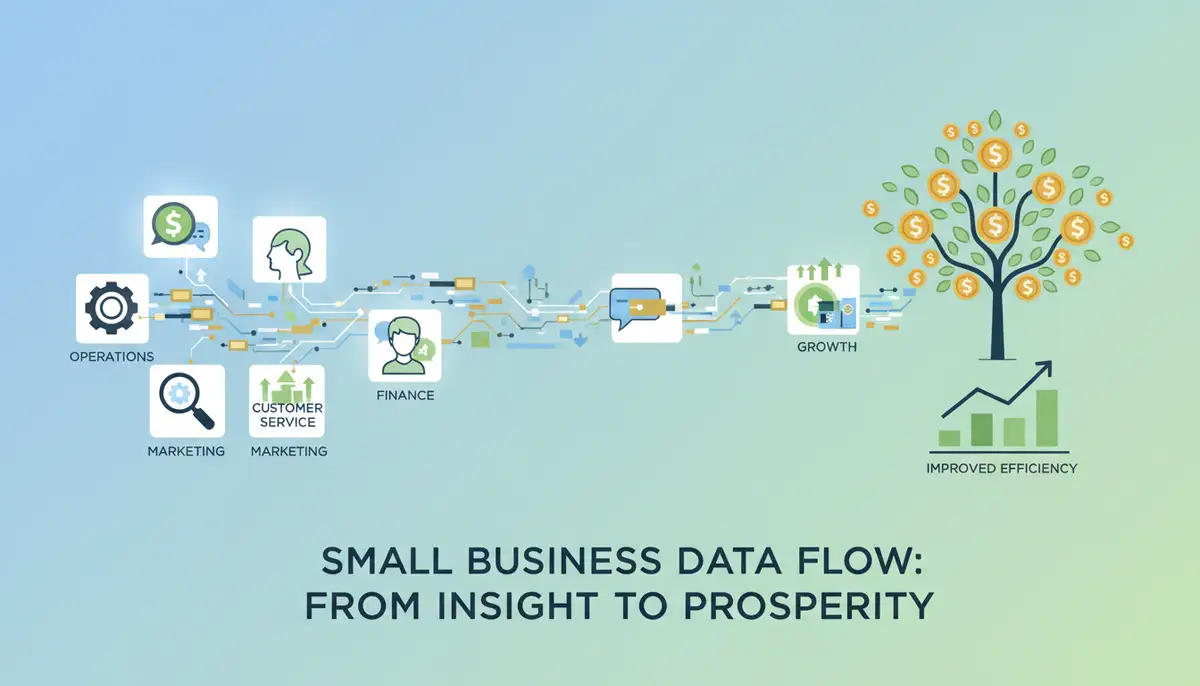
Navigating Growth: Choosing the Best ERP System for Small Business
Small businesses face unique challenges. Growth brings complexity. You juggle multiple tasks and systems. Disjointed tools often create bottlenecks. Finding the right technology becomes crucial. This is where an Enterprise Resource Planning (ERP) system comes in. It streamlines your operations. For many, identifying the best ERP system for small business feels overwhelming. We understand this journey. As Odoo consultants at Odiware Technologies, we guide businesses like yours. We help you make informed decisions. Our goal is to empower your business for sustainable success.
In 2025, the landscape of business technology is more advanced than ever. Small businesses can now access powerful tools. These tools were once only available to large enterprises. This article will explore what makes an ERP system ideal for small businesses. We will also highlight Odoo as a leading contender. We aim to provide clear, actionable insights. This helps you select and implement the best ERP system for small business effectively.
What Exactly is an ERP System, and Why Does Your Small Business Need One?
An ERP system integrates core business processes. It brings together functions like finance, HR, manufacturing, supply chain, services, and procurement. Imagine all your critical data in one place. No more switching between spreadsheets and disparate software. An ERP provides a unified view of your entire operation. This integration is vital for efficiency. It helps you make better decisions. For a deeper understanding of various ERP packages, you can review this comprehensive list of ERP software packages.
Small businesses often start with basic accounting software. They add separate tools for CRM, inventory, or project management. This patchwork approach eventually causes problems. Data silos emerge. Manual data entry increases errors. It wastes valuable time. An ERP system solves these issues. It centralizes information. It automates repetitive tasks. This frees up your team. They can focus on strategic growth. Ultimately, it helps you identify the best ERP system for small business that truly fits your needs.
- Streamlined Operations: Automate workflows and reduce manual tasks.
- Improved Data Accuracy: Centralized data minimizes errors and provides a single source of truth.
- Enhanced Decision-Making: Real-time insights from integrated data lead to smarter choices.
- Better Customer Service: Access to complete customer history improves interactions.
- Scalability: Grow your business without outgrowing your software.
- Cost Savings: Reduce operational costs through efficiency and optimized resource use.
Key Considerations for Choosing the Best ERP System for Small Business
Selecting the best ERP system for small business requires careful thought. It’s a significant investment. You need a system that supports your current needs. It must also accommodate future growth. Here are critical factors to consider:
1. Scalability and Flexibility
Your business will evolve. Your ERP system must evolve with it. Look for a solution that can scale up or down. It should allow adding new modules as your needs change. A flexible ERP adapts to new processes. It supports new market demands. This ensures your investment remains valuable for years.
2. Industry-Specific Fit
Different industries have unique requirements. A manufacturing business needs different features than a retail store. The best ERP system for small business will offer industry-specific functionalities. These might be out-of-the-box or through customization. For example, if you are in manufacturing, you might need specific modules for production planning or quality control. We often help clients find the best ERP for manufacturing by tailoring Odoo solutions.
3. Total Cost of Ownership (TCO)
Beyond the license fee, consider all costs. These include implementation, customization, training, and ongoing support. Cloud-based ERPs often have lower upfront costs. However, subscription fees add up. On-premise solutions require hardware and IT staff. Evaluate the long-term financial commitment. A clear understanding of TCO prevents unexpected expenses.
4. Ease of Use and User Adoption

An ERP system is only effective if your team uses it. A user-friendly interface is crucial. Intuitive design reduces training time. It also improves productivity. Test the system with your actual users. Gather their feedback. High user adoption is a key indicator of success. It ensures you have truly picked the best ERP system for small business for your team.
5. Integration Capabilities
Your ERP might need to connect with existing software. This could be e-commerce platforms or third-party logistics. Strong integration capabilities are essential. They prevent new data silos. They ensure a seamless flow of information across your tech stack. This is particularly important for complex operations. For instance, if you handle a lot of physical goods, you might need to integrate with specialized systems for best software for warehouse management.
6. Vendor Support and Ecosystem
Reliable support is critical. You need assistance during implementation and beyond. Look at the vendor’s reputation. Evaluate their support channels. A strong partner ecosystem is also beneficial. This includes implementation partners like Odiware. They provide local expertise and tailored solutions. A robust community can offer additional resources and peer support.
Common Mistakes Small Businesses Make When Choosing ERP
Even with careful planning, pitfalls exist. Many small businesses make common errors. These can derail an ERP project. Knowing these mistakes helps you avoid them. This ensures a smoother implementation of the best ERP system for small business.
- Underestimating Project Complexity: ERP implementation is a major undertaking, not just a software install.
- Ignoring User Training and Adoption: Without proper training, users will resist change and fail to utilize the system fully.
- Poor Data Migration Strategy: Incorrect or incomplete data migration can cripple the new system.
- Lack of Clear Objectives: Starting without defined goals makes it impossible to measure success.
- Choosing a DIY Approach for Complex Needs: While tempting, complex implementations often require expert guidance.
- Focusing Only on Upfront Costs: Neglecting long-term TCO can lead to budget overruns.
Odoo: A Strong Contender for the Best ERP System for Small Business
When discussing the best ERP system for small business, Odoo frequently stands out. Odoo is an open-source suite of business management software. It covers a vast range of business needs. Its modular design is a key advantage. You can start with essential modules. Then, you add more as your business grows. This flexibility makes Odoo highly adaptable.
Odoo offers a comprehensive set of applications. These include CRM, Sales, Accounting, Inventory, Manufacturing, Project Management, and more. Each app is integrated seamlessly. This provides a unified experience. For small businesses, Odoo’s community edition provides a powerful free option. The enterprise edition offers advanced features and dedicated support. This scalability ensures that Odoo can grow with you. It truly fits the profile of the best ERP system for small business.
- Modular and Scalable: Start small and add applications as needed.
- Comprehensive Functionality: Covers almost every business process.
- Open Source Advantage: Flexibility for customization and a large community.
- Cost-Effective: Community edition is free; Enterprise offers competitive pricing.
- User-Friendly Interface: Modern and intuitive design reduces training time.
- Strong Integration: Easily connects with other systems and Odoo’s own apps.
At Odiware Technologies, we specialize in Odoo ERP implementation. Our expertise helps small businesses leverage Odoo’s full potential. We tailor solutions to your specific industry and processes. This ensures you get the most out of your ERP investment. We believe Odoo offers a compelling option for many small businesses.
Comparing Odoo with Other ERP Options for Small Businesses
The ERP market is diverse. Many solutions compete for the title of best ERP system for small business. Solutions like NetSuite ERP are cloud-based leaders for managing back-office operations and financial processes, as highlighted by Top10ERP.org. Sage is another strong contender, offering ERP systems that help small businesses streamline routine operational tasks, cut costs, and save valuable time, as noted by Sage.com. Other notable players include Microsoft Dynamics 365 Business Central, SAP Business One, and Acumatica. Each has its strengths and target audience.
Odoo often stands out due to its open-source nature and modularity. While proprietary systems like those offered by companies like serpentcs.com or o2btechnologies.com might offer highly specialized, out-of-the-box solutions for certain niches, Odoo provides a robust framework for customization. This means it can be adapted to unique business models without vendor lock-in. For businesses that require a balance of comprehensive features and adaptability, Odoo presents a highly attractive option. Companies like ksolves.com also offer Odoo services, showing the system’s strong market presence.

| Feature | Odoo (Community/Enterprise) | Traditional Proprietary ERPs (e.g., NetSuite, Sage) |
|---|---|---|
| Cost Model | Freemium (Community), Subscription (Enterprise) | Subscription/License Based, often higher upfront |
| Flexibility/Customization | High (Open Source, Modular) | Moderate to High (Vendor-dependent) |
| Integration | Excellent (Native apps, APIs) | Good (Varies by vendor, often requires connectors) |
| User Adoption | Good (Intuitive UI) | Varies (Can be complex) |
| Scalability | Excellent (From small to large enterprises) | Excellent (Often designed for scale) |
| Community Support | Very Strong (Open Source) | Vendor-specific support forums |
This table illustrates why Odoo is often considered the best ERP system for small business looking for flexibility and a strong community. The choice ultimately depends on your specific budget, industry, and long-term vision. Understanding these differences is key to making an informed decision.
The ERP Implementation Journey: What to Expect
Implementing an ERP system is a journey, not a sprint. It involves several critical phases. Understanding these phases helps manage expectations. It also ensures a smoother transition. This journey applies whether you choose Odoo or another best ERP system for small business.
- Discovery and Analysis: Understand current processes, pain points, and future requirements.
- System Design and Configuration: Map business processes to ERP functionalities, configure modules.
- Data Migration: Transferring existing data (customers, products, sales) into the new system.
- Customization and Development: Tailoring the ERP to unique business needs (if required).
- Testing and Quality Assurance: Rigorous testing to ensure all functionalities work as expected.
- User Training: Educating employees on how to use the new system effectively.
- Go-Live: Launching the new ERP system and transitioning from old systems.
- Post-Implementation Support: Ongoing assistance, maintenance, and optimization.
The success of these phases heavily relies on expertise. This is where an experienced Odoo consulting partner like Odiware Technologies becomes invaluable. We guide you through each step. We minimize disruptions. We ensure your team is ready for the change. This proactive approach helps secure your investment in the best ERP system for small business.
When to Involve an Odoo Consultant (and Why Odiware is Your Partner)
While Odoo is user-friendly, complex implementations benefit greatly from expert guidance. Knowing when to involve a consultant is crucial. It can save time, money, and frustration. A consultant ensures you unlock the full potential of the best ERP system for small business.
You might wonder, ‘Are ERP Systems a Good Fit for Small- and Mid-Size Businesses?’ This video offers valuable perspectives on that question:
.
- Complex Business Processes: If your workflows are intricate or unique, a consultant can map them to Odoo effectively.
- Integration Requirements: Connecting Odoo with other specific tools often requires technical expertise.
- Customization Needs: When out-of-the-box features aren’t enough, consultants develop tailored solutions.
- Data Migration Challenges: Ensuring clean and accurate data transfer is critical and complex.
- Change Management: Guiding your team through the transition and ensuring user adoption.
- Strategic Planning: A consultant helps align your ERP strategy with your long-term business goals.
Odiware Technologies specializes in Odoo ERP consulting services. We bring real-world experience to your project. Our team understands the nuances of Odoo. We know how to apply it to diverse business environments. We don’t just implement software. We partner with you. We help you achieve your business objectives. This partnership is essential for a successful ERP deployment. It ensures you truly implement the best ERP system for small business for your unique needs.
Best Practices for a Successful ERP Implementation
A successful ERP implementation goes beyond selecting the right software. It involves strategic planning and execution. Here are some best practices to follow. These apply whether you choose Odoo or another best ERP system for small business.
- Define Clear Objectives: What do you want to achieve with your ERP? Measure success against these goals.
- Secure Executive Sponsorship: Leadership support is crucial for driving adoption and allocating resources.
- Assemble a Dedicated Project Team: Appoint key personnel from various departments to lead the project.
- Prioritize and Phase Implementation: Don’t try to do everything at once. Start with critical modules, then expand.
- Invest in Training: Comprehensive training empowers your employees to use the system effectively.
- Clean Your Data: Migrate only relevant, accurate data. ‘Garbage in, garbage out’ applies here.
- Communicate Regularly: Keep all stakeholders informed about progress, challenges, and successes.
- Embrace Change Management: Prepare your team for new processes and provide ongoing support.
Future-Proofing Your Business with the Right ERP
Choosing the best ERP system for small business is an investment in your future. It’s about more than just current efficiency. It’s about building a foundation for sustainable growth. A well-implemented ERP system provides agility. It allows you to adapt to market changes. It helps you innovate. It positions your business for long-term success.

With an integrated system, you gain powerful insights. You can identify trends. You can optimize resource allocation. You can respond quickly to customer demands. This strategic advantage is invaluable in today’s competitive landscape. The right ERP system acts as the backbone of your digital transformation. It ensures your business remains competitive and resilient.
Frequently Asked Questions About ERP for Small Businesses
Q1: How long does it take to implement an ERP system for a small business?
Implementation timelines vary greatly. They depend on complexity and customization. A basic Odoo implementation might take 3-6 months. More complex projects could extend to 9-12 months. Proper planning shortens the process. Engaging an experienced partner like Odiware also helps.
Q2: Can a small business afford an ERP system?
Yes, many ERP options are now affordable for small businesses. Odoo’s community edition is free. Its enterprise version offers competitive pricing. Cloud-based solutions reduce upfront hardware costs. The key is to evaluate the total cost of ownership. Consider the ROI from increased efficiency. The best ERP system for small business provides significant returns.
Q3: What’s the difference between ERP and CRM?
CRM (Customer Relationship Management) focuses on customer interactions. It manages sales, marketing, and service. ERP (Enterprise Resource Planning) is broader. It integrates all core business functions. CRM is often a module within a comprehensive ERP system like Odoo. An ERP provides a holistic view. A CRM focuses specifically on customer data.
Q4: Is Odoo suitable for all types of small businesses?
Odoo’s modularity makes it highly versatile. It suits many industries. These include retail, services, manufacturing, and e-commerce. However, highly specialized industries might require significant customization. This is where an Odoo consultant helps. They assess your specific needs. Then, they tailor Odoo to fit perfectly. This ensures it remains the best ERP system for small business in your niche.
Q5: What are the biggest challenges during ERP implementation?
Common challenges include resistance to change from employees. Poor data quality is another issue. Lack of clear project scope also causes problems. Budget overruns and integration difficulties can also arise. A strong project manager and an experienced consulting partner mitigate these risks. They ensure a smoother transition to the best ERP system for small business.
Ready to Find Your Best ERP System for Small Business?
Choosing the best ERP system for small business is a pivotal decision. It impacts your efficiency, growth, and profitability. The right system can transform your operations. It can propel your business forward. The wrong choice can lead to costly setbacks. This is why careful consideration and expert guidance are essential.
At Odiware Technologies, we are more than just Odoo implementers. We are your strategic partners. We help you navigate the complexities of ERP selection and deployment. Our goal is to ensure your investment yields maximum returns. We offer tailored Odoo solutions. We provide comprehensive support. We empower your small business to thrive in 2025 and beyond. Don’t let complexity hold you back. Discover how a truly integrated system can redefine your business potential. Let us help you find the best ERP system for small business.
Ready to explore how Odoo can be the best ERP system for small business like yours? Contact us today for a consultation. Let’s discuss your unique business needs and chart a path to success.