


Introduction: Why the Right ERP Matters for Manufacturing Success
In today’s dynamic industrial landscape, manufacturers face immense pressure. They need to optimize production, manage complex supply chains, and deliver products faster. Choosing the best ERP system for manufacturing is not just an IT decision; it is a strategic business imperative. A robust Enterprise Resource Planning (ERP) system integrates all core business processes. This includes production, inventory, sales, and finance. Without the right system, businesses struggle with inefficiencies and missed opportunities. As Odoo consultants at Odiware Technologies, we see this challenge daily. We help companies streamline operations and boost productivity.
This guide will help you understand what makes an ERP system truly effective for manufacturing. We will explore essential features and discuss common pitfalls. Our goal is to equip you with the knowledge to select the best ERP system for manufacturing in 2025. Ultimately, this choice will drive your company’s growth and resilience.
Understanding the Core Needs of Manufacturing ERP
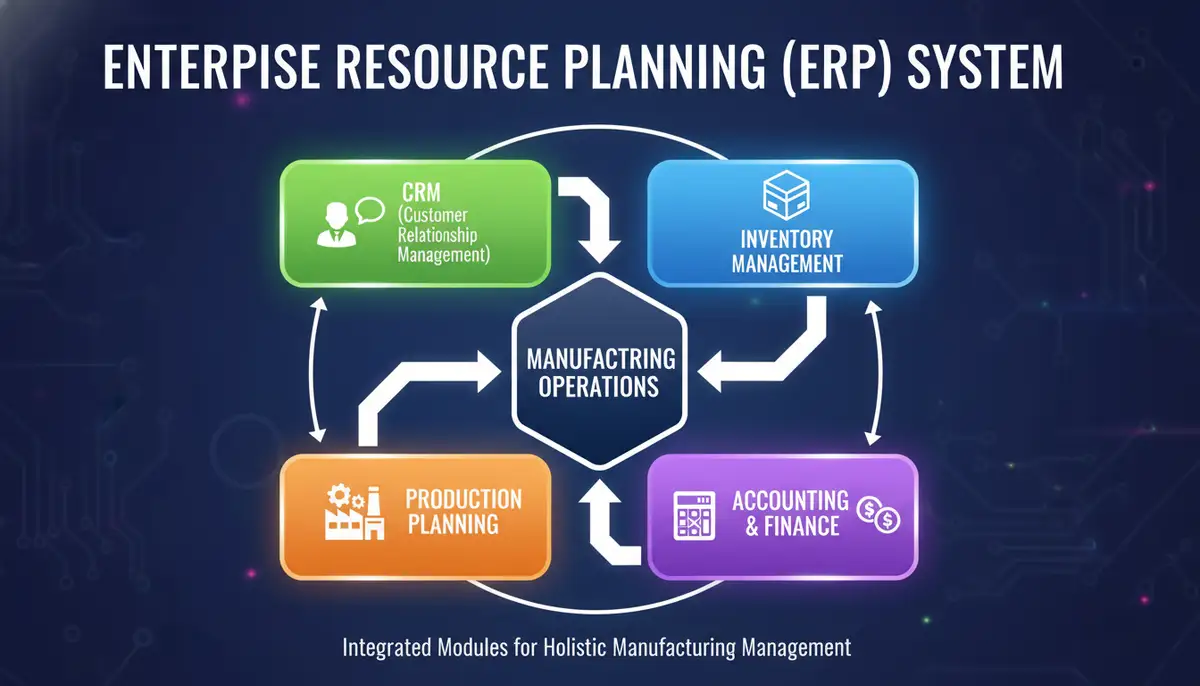
Manufacturing operations are complex. They involve numerous moving parts, from raw material procurement to final product delivery. The best ERP system for manufacturing must address these complexities holistically. It should provide real-time visibility and control across your entire value chain.
Key Features of the Best ERP System for Manufacturing
When evaluating potential ERP solutions, certain features are non-negotiable for manufacturers. These capabilities ensure operational efficiency and strategic decision-making. We consistently recommend focusing on these areas.
- Production Planning and Scheduling: An effective ERP must handle Master Production Scheduling (MPS) and Material Requirements Planning (MRP). It should optimize production sequences and resource allocation. This minimizes bottlenecks and maximizes output.
- Inventory Management: Real-time tracking of raw materials, work-in-progress (WIP), and finished goods is crucial. Features like lot tracking, serial number tracking, and multi-warehouse management are essential. They prevent stockouts and reduce carrying costs.
- Quality Control: Integrated quality management modules help maintain product standards. They track inspections, non-conformances, and corrective actions. This ensures compliance and customer satisfaction.
- Supply Chain Management (SCM): From supplier relationship management to logistics, SCM capabilities are vital. They improve collaboration with vendors and optimize delivery routes. This reduces lead times and costs.
- Financial Management: Robust accounting, budgeting, and cost analysis tools are fundamental. They provide accurate financial insights. This supports better business decisions and compliance.
- CRM and Sales Order Management: Integrating customer data and sales processes helps streamline order fulfillment. It improves customer service and identifies sales opportunities.
- Reporting and Analytics: Dashboards and customizable reports offer deep insights into performance. They track KPIs, identify trends, and support data-driven improvements.
- Scalability and Flexibility: The system must grow with your business. It should adapt to changing market conditions and new operational requirements. Cloud-based solutions like Odoo offer inherent scalability.
Why Odoo is a Top Contender for the Best ERP System for Manufacturing
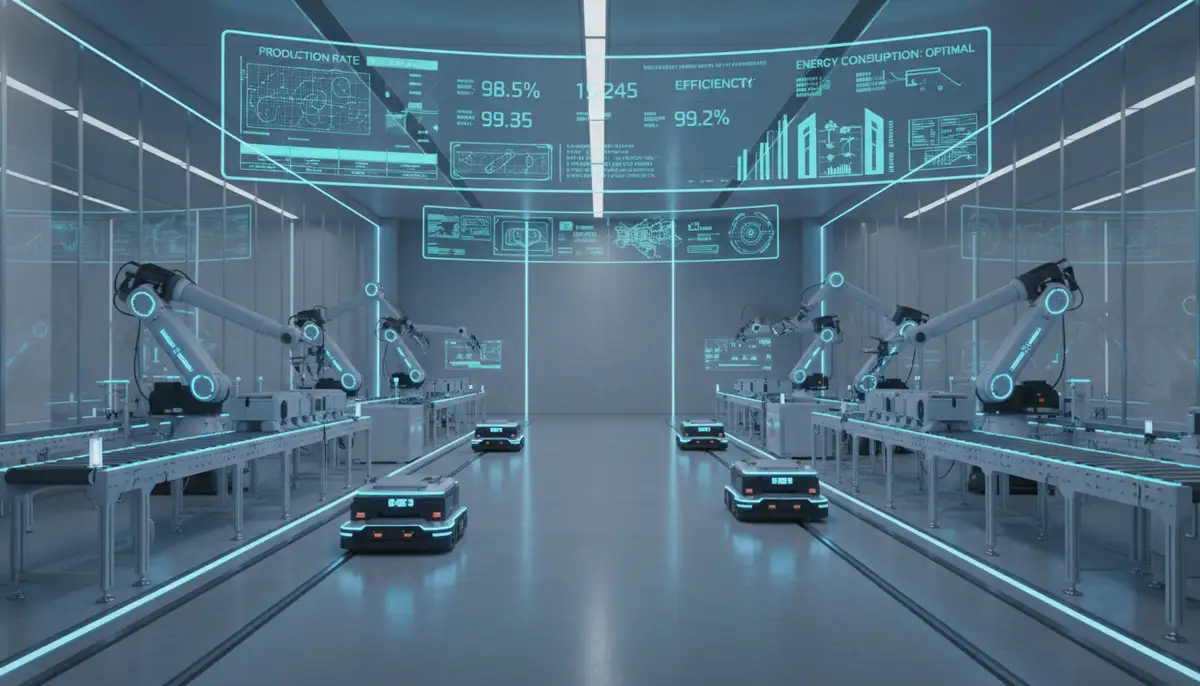
Among the many options available, Odoo stands out as a highly versatile and comprehensive solution. It is often considered the best ERP system for manufacturing for many businesses, especially SMEs and growing enterprises. Odoo’s modular design allows manufacturers to pick and choose the applications they need. This provides a tailored solution without unnecessary complexity.
Odoo’s Manufacturing module, combined with its Inventory, Quality, PLM (Product Lifecycle Management), and Maintenance apps, offers a powerful suite. It supports various manufacturing types, including discrete, process, and even project-based manufacturing. This integrated approach simplifies operations. It also provides real-time data across all departments. This makes Odoo a strong candidate for the best ERP system for manufacturing.
For a deeper dive into how Odoo can serve smaller operations, consider reading our insights on finding the best ERP for small manufacturing business. This provides valuable context for scaling your operations.
Common Mistakes When Choosing the Best ERP System for Manufacturing
Selecting an ERP system is a significant investment. Many companies make common errors that can lead to costly failures. Avoiding these pitfalls is as important as identifying the right features. We have seen these issues firsthand during countless implementations.
- Underestimating Implementation Complexity: ERP projects are not plug-and-play. They require careful planning, data migration, customization, and user training. Many companies underestimate the time and resources needed.
- Lack of Stakeholder Involvement: Without buy-in from all departments, resistance to change can derail the project. Key users must participate in requirements gathering and testing.
- Ignoring Scalability: Choosing a system that cannot grow with your business is short-sighted. It leads to expensive replacements down the line. Always consider future expansion plans.
- Over-Customization: While some customization is necessary, excessive modifications can create maintenance headaches. It also makes future upgrades difficult. The best ERP system for manufacturing should offer flexibility through configuration, not just custom code.
- Poor Data Management: Inaccurate or incomplete data migration can cripple a new ERP system. Data cleansing and validation are critical steps.
- Focusing Only on Cost: The cheapest option is rarely the best long-term solution. Consider total cost of ownership (TCO), including implementation, training, and ongoing support. The true best ERP system for manufacturing offers value beyond its price tag.
Best Practices for a Successful ERP Implementation
A successful ERP implementation transforms your manufacturing operations. It requires a structured approach and a clear understanding of your business goals. Here are some best practices we advocate at Odiware.
- Define Clear Objectives: Before you start, clearly outline what you want to achieve. What problems will the ERP solve? How will success be measured?
- Form a Dedicated Project Team: Appoint a project manager and representatives from each key department. Their involvement ensures alignment and smooth transitions.
- Prioritize Requirements: Not all features are equally important. Focus on critical needs first. Implement in phases if necessary.
- Thorough Vendor Evaluation: Look beyond features. Assess vendor experience, support, and track record. This includes their expertise in your specific industry.
- Invest in Training: Proper user training is paramount. It ensures adoption and maximizes the system’s benefits. Don’t skip this crucial step.
- Plan for Change Management: Communicate changes clearly and frequently. Address concerns proactively. This minimizes resistance and fosters a positive transition.
For a broader perspective on selecting ERPs for various business sizes, our article on finding the best ERP for SME offers additional valuable insights.
When to Involve an Odoo Consultant for Your Manufacturing ERP Journey
While the idea of a DIY implementation might seem appealing, the complexities of integrating an ERP system, especially one as comprehensive as Odoo, often require expert guidance. This is particularly true when seeking the best ERP system for manufacturing. An experienced Odoo consultant brings specialized knowledge and a proven methodology. They ensure your project stays on track and delivers tangible results.
At Odiware, we specialize in Odoo ERP implementation. We help businesses like yours navigate the entire process. From initial needs assessment to post-go-live support, we act as your strategic partner. Our expertise ensures that your Odoo setup is perfectly aligned with your manufacturing processes. This maximizes your return on investment. You can learn more about our comprehensive approach to Odoo implementation on our website.
Consider involving a consultant if you are facing complex requirements, have limited internal IT resources, or need to integrate with existing legacy systems. Their insights can save you time and money. They help you avoid common pitfalls. This ensures you truly implement the best ERP system for manufacturing for your specific needs.
Comparison: Key ERP Systems for Manufacturing in 2025
While Odoo offers a compelling solution, it is important to acknowledge other strong contenders in the market. Understanding the landscape helps you make an informed decision about the best ERP system for manufacturing. Systems like SAP S/4HANA Cloud are known for their robust features, especially in large enterprises, offering AI and machine learning capabilities for real-time insights into manufacturing, as detailed by Top10ERP. Similarly, Acumatica Cloud ERP, often highlighted by firms like WM Synergy, provides adaptable business management for growing small and midsized organizations.
| ERP System | Key Strengths for Manufacturing | Best Suited For |
|---|---|---|
| Odoo | Modular, cost-effective, highly customizable, strong community support, integrated apps for all functions. | SMEs, growing businesses, companies seeking flexibility and comprehensive integration. |
| SAP S/4HANA Cloud | Enterprise-grade, AI/ML capabilities, strong for large-scale, complex manufacturing, real-time analytics. | Large enterprises, global operations, complex supply chains. |
| Acumatica Cloud ERP | Flexible cloud solution, strong financial and project accounting, good for distribution and manufacturing. | Growing small to mid-sized businesses, companies needing adaptability and robust reporting. |
| Oracle NetSuite | Cloud-native, strong for multi-company, global operations, good for inventory and supply chain. | Mid-market to large enterprises, companies with diverse business units. |
When considering the best ERP system for manufacturing, it is also wise to look at the broader ecosystem of Odoo partners and integrators. Companies like serpentcs.com, odooimplementers.com, and cybrosys.com also offer valuable services and solutions around Odoo. This further demonstrates Odoo’s strong position in the market.
The Future of Manufacturing with the Right ERP
As we move further into 2025, the manufacturing industry will continue its digital transformation. Industry 4.0 concepts, like IoT integration, AI-driven analytics, and automation, are becoming standard. The best ERP system for manufacturing will serve as the central nervous system for these advanced operations. It will collect, process, and analyze data to drive smart decisions. This leads to predictive maintenance, optimized production flows, and personalized customer experiences.
Choosing a future-proof ERP like Odoo means you are investing in a platform that evolves. It supports these emerging technologies. This ensures your manufacturing business remains competitive and agile. It allows you to adapt to new challenges and seize new opportunities. The journey to finding the best ERP system for manufacturing is about preparing for tomorrow, today.
For a visual overview of how different ERP systems cater to manufacturing needs, watch this helpful video:
.
Frequently Asked Questions About Manufacturing ERP
- Q1: How long does it take to implement the best ERP system for manufacturing?
A1: Implementation timelines vary significantly. They depend on your company’s size, complexity, and the chosen ERP system. A small Odoo implementation might take 3-6 months. Larger, more complex projects can extend to 12-18 months. Proper planning shortens this. - Q2: What is the typical ROI for a manufacturing ERP system?
A2: ROI comes from various improvements. These include reduced inventory costs, increased production efficiency, better data accuracy, and improved decision-making. Most companies see a positive ROI within 1-3 years. The best ERP system for manufacturing delivers measurable benefits quickly. - Q3: Can an ERP system integrate with existing machinery?
A3: Yes, many modern ERP systems, including Odoo, offer integration capabilities. They connect with shop floor machinery, IoT devices, and other operational technology. This creates a truly connected smart factory. It requires careful planning and often custom integration work. - Q4: Is cloud-based ERP better than on-premise for manufacturing?
A4: Cloud ERP offers flexibility, scalability, and reduced IT overhead. It’s generally preferred for its accessibility and lower upfront costs. On-premise offers more control over data and customization, but demands more internal resources. The best ERP system for manufacturing often leverages cloud advantages. - Q5: How important is mobile access for manufacturing ERP?
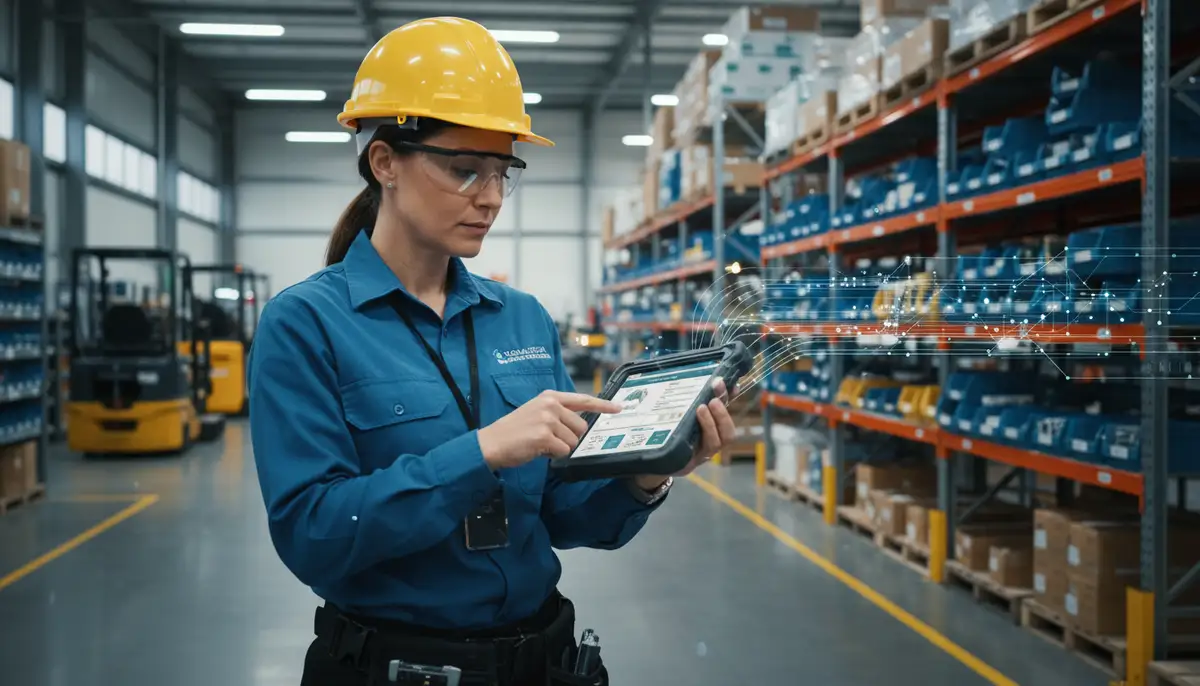
A5: Mobile access is increasingly vital. It allows shop floor managers, sales teams, and executives to access real-time data on the go. This improves responsiveness and decision-making. Odoo provides excellent mobile accessibility for its applications.
Conclusion: Partnering for Success in Manufacturing ERP
Choosing and implementing the best ERP system for manufacturing is a transformative journey. It reshapes your operations, enhances efficiency, and drives growth. While the decision is significant, the rewards of a well-implemented system are immense. Odoo stands out as a flexible, powerful, and cost-effective solution capable of meeting diverse manufacturing needs.
At Odiware Technologies, we understand the intricacies of manufacturing processes. We are committed to helping businesses leverage the full potential of Odoo. Our experience ensures a smooth transition and a system that truly supports your strategic objectives. Don’t navigate this complex landscape alone. Let us help you find and implement the best ERP system for manufacturing for your unique business.
Ready to explore how Odoo can revolutionize your manufacturing operations? Start Free Trial or contact us for a personalized consultation. We are here to guide you toward operational excellence.


