


Introduction: Why Finding the Best ERP for SME Matters in 2025
In today’s fast-paced business world, small and medium-sized enterprises (SMEs) face unique challenges. They must compete with larger companies but often have fewer resources. This makes strategic decisions, like choosing the right software, incredibly important. Finding the absolute best ERP for SME operations is no longer a luxury; it’s a necessity for survival and growth.
By 2025, the digital landscape has evolved significantly. Businesses need integrated systems to manage everything from sales and customer relations to inventory and accounting. A powerful Enterprise Resource Planning (ERP) system brings these functions together. It helps you make smarter decisions, reduce costs, and improve overall efficiency. Our goal at Odiware is to help you navigate this complex choice and find the best ERP for SME needs.
Understanding the Core Needs of an SME
Before you can identify the best ERP for SME, you must understand what your business truly needs. SMEs are not mini-versions of large corporations. They have distinct requirements. These often include budget constraints, a need for rapid implementation, and a focus on core operations.
Your chosen ERP must support your current workflows while also allowing for future expansion. It should simplify complex tasks, not complicate them. Many SMEs initially rely on fragmented systems, leading to inefficiencies. This is where a truly integrated solution proves its worth. For more insights into ERP solutions tailored for small businesses, you can explore detailed analyses like those found on Top10ERP.org.
Key Features to Look for in the Best ERP for SME
When evaluating options, several features stand out as critical for the best ERP for SME.
Integrated Modules
A good ERP system integrates various business functions. This includes finance, sales, purchasing, inventory, manufacturing, and CRM. This integration eliminates data silos and improves communication across departments. It provides a single source of truth for all your business data.
Scalability and Flexibility
Your business will grow, and your ERP should grow with it. The best ERP for SME offers flexibility. It allows you to add new modules or users as your needs change. Cloud-based solutions are often ideal here, providing easy scalability without heavy IT infrastructure investments.

User Experience (UX)
An intuitive and user-friendly interface is crucial. If your team struggles to use the system, adoption will be low. This defeats the purpose of implementing an ERP. Look for systems that are easy to learn and navigate, reducing training time and increasing productivity.
Cost-Effectiveness
SMEs operate with tighter budgets. The best ERP for SME offers a strong return on investment (ROI). Consider not just the initial licensing cost but also implementation, customization, training, and ongoing support. Cloud ERPs often have lower upfront costs and predictable monthly fees.
Implementation and Support
The software itself is only part of the equation. You need reliable implementation services and ongoing support. A strong partner ensures a smooth transition and helps you maximize your ERP’s potential. This is where an experienced Odoo consultant like Odiware truly shines.
Odoo: A Strong Contender for the Best ERP for SME
When discussing the best ERP for SME, Odoo consistently emerges as a top choice. Odoo is an open-source suite of business management software tools. It includes CRM, e-commerce, billing, accounting, manufacturing, warehouse, project management, and inventory management. Its modular design means you only pay for what you need.
Odoo’s flexibility makes it suitable for a wide range of industries and business sizes. It offers a comprehensive set of applications that can be customized to fit specific business processes. This adaptability is critical for SMEs that have unique operational requirements. Many industry experts, including those providing expert reviews of top ERP systems on Forbes Advisor, highlight Odoo’s suitability for startups and small businesses.
Compared to some traditional, monolithic ERP systems, Odoo offers a lighter footprint and faster deployment. While companies like odooimplementers.com, ksolves.com, and o2btechnologies.com also provide Odoo services, Odiware focuses on delivering tailored solutions. We ensure your Odoo implementation genuinely aligns with your strategic business goals, making it the best ERP for SME growth.
Common Mistakes When Choosing the Best ERP for SME
Even with the best intentions, SMEs often make common errors during the ERP selection process. Avoiding these pitfalls is crucial for a successful implementation and finding the best ERP for SME.

- Ignoring Future Growth: Selecting a system that barely meets current needs will quickly become obsolete. Always consider scalability.
- Underestimating Implementation Complexity: ERP projects are significant undertakings. They require careful planning and dedicated resources.
- Focusing Only on Price: The cheapest option is rarely the best. Value, features, and long-term support are more important than the initial cost.
- Neglecting User Training: Employees must be proficient with the new system. Insufficient training leads to frustration and poor adoption.
- Trying to Do It All Yourself: While tempting, a DIY approach to ERP implementation often leads to delays, errors, and missed opportunities. Expert guidance is invaluable.
The Implementation Journey: Best Practices for SMEs
Implementing the best ERP for SME is a journey, not a sprint. Following best practices ensures a smoother transition and a higher likelihood of success.
Define Your Requirements Clearly
Before anything else, precisely define what you want the ERP to achieve. Document your current processes and identify pain points. This clarity helps in customizing the system effectively. It also ensures the chosen solution truly addresses your business challenges.
Phased Implementation
For SMEs, a ‘big bang’ approach can be overwhelming. Consider a phased implementation. Roll out essential modules first, then gradually introduce others. This allows your team to adapt and minimizes disruption to daily operations. It’s a pragmatic approach to integrate the best ERP for SME.
User Training and Adoption
Invest in thorough training for all users. A well-trained team will embrace the new system faster. Encourage feedback and address concerns promptly. User adoption is key to realizing the full benefits of your ERP investment.
Implementing the best ERP for SME requires specialized knowledge. This is where an expert Odoo implementation partner like Odiware becomes indispensable. We guide you through every step, ensuring a successful deployment that aligns with your business objectives. Learn more about our comprehensive Odoo implementation services.
When to Involve an Odoo Consultant for Your SME
While Odoo is user-friendly, complex implementations benefit greatly from expert guidance. An Odoo consultant brings deep product knowledge and industry experience. They can anticipate challenges and propose optimal solutions. This ensures you get the most out of your investment in the best ERP for SME.
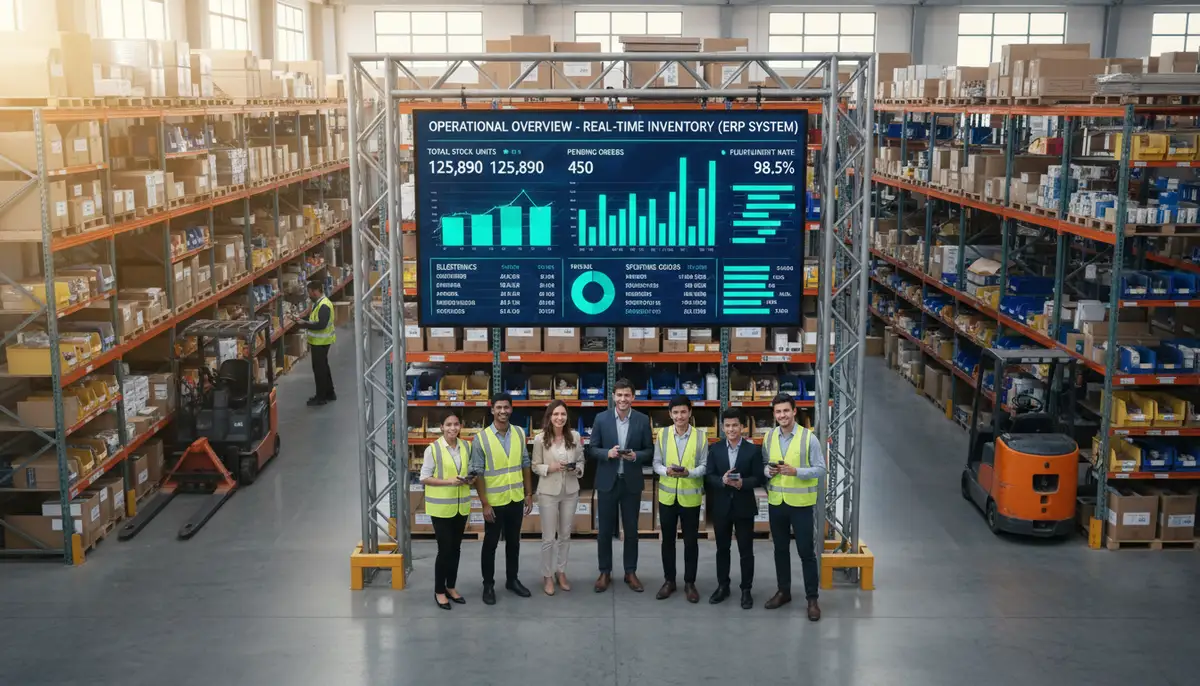
You should involve a consultant when facing complex integrations with existing systems. Customizations to fit unique business processes also warrant expert help. Data migration from old systems is another critical area where consultants prevent costly errors. An Odoo consultant helps you avoid common pitfalls and streamlines the entire process.
| Scenario | Consultant Involvement Recommended |
|---|---|
| Basic, out-of-the-box setup | No, if internal team has capacity |
| Complex integrations with third-party software | Yes, highly recommended |
| Significant data migration from legacy systems | Yes, critical for data integrity |
| Custom module development or extensive workflow changes | Yes, for optimal design and execution |
| Need for ongoing support and optimization | Yes, for long-term success |
| Industry-specific compliance requirements | Yes, for expert guidance |
Odiware has a proven track record of helping SMEs successfully implement Odoo. We act as your strategic partner, ensuring your chosen ERP solution truly serves as the best ERP for SME growth. Our expertise minimizes risks and maximizes your return on investment.
Real-World Impact: How the Best ERP for SME Transforms Businesses
The impact of implementing the right ERP system is profound. SMEs report significant improvements across various operational areas. They gain better control over their finances, leading to improved cash flow management. Sales teams become more efficient with integrated CRM tools, enhancing customer satisfaction.
Inventory management becomes precise, reducing waste and stockouts. Manufacturing processes are streamlined, increasing output and product quality. Ultimately, the best ERP for SME empowers businesses with data-driven insights. These insights lead to more informed decisions and sustainable growth. It transforms reactive businesses into proactive, agile enterprises.
FAQs About Choosing the Best ERP for SME
Here are some common questions SMEs ask when searching for the best ERP for SME.
- Q1: What is the typical cost of an ERP for an SME? A: Costs vary widely based on modules, users, and customization. Cloud-based Odoo often starts with lower subscription fees, but factor in implementation and support services.
- Q2: How long does ERP implementation take for an SME? A: A basic Odoo implementation can take a few weeks to a few months. Complex projects with extensive customization might take longer. Phased approaches help manage timelines.
- Q3: Can an ERP truly grow with my small business? A: Absolutely. The best ERP for SME, like Odoo, is designed for scalability. You can add modules and users as your business expands without needing to switch systems.
- Q4: Does Odoo cater to specific industries like retail or manufacturing? A: Yes, Odoo offers robust modules for various industries. If you’re in retail, you might find our guide on finding the best ERP for retail operations very helpful. For manufacturing, explore insights on optimizing processes with the best ERP for small manufacturing business.
- Q5: Is an open-source ERP like Odoo secure for my business data? A: Yes, Odoo is highly secure. Its open-source nature means a vast community constantly reviews and improves the code. Reputable implementation partners like Odiware also ensure best practices for data security during deployment.
The Future of ERP for SMEs
The landscape of ERP solutions continues to evolve rapidly. For SMEs, this means exciting opportunities. Artificial intelligence (AI) and machine learning (ML) are increasingly integrated into ERP systems. These technologies offer predictive analytics, automated reporting, and enhanced decision-making capabilities. The best ERP for SME will leverage these advancements to provide even greater value.
Cloud ERP will remain dominant, offering accessibility and flexibility. Mobile accessibility will also improve, allowing business owners and employees to manage operations from anywhere. Staying informed about these trends helps you ensure your chosen ERP system remains future-proof. It reinforces the importance of selecting the best ERP for SME that can adapt.

Conclusion: Making the Right Choice for Your Business
Choosing the best ERP for SME is a strategic decision that impacts every aspect of your business. It requires careful consideration of your unique needs, budget, and future growth plans. An integrated, scalable, and user-friendly system like Odoo can transform your operations, driving efficiency and profitability.
Don’t underestimate the value of an experienced partner in this journey. At Odiware, we specialize in helping SMEs leverage the full power of Odoo. We ensure a seamless implementation and provide ongoing support. This allows you to focus on what you do best: growing your business. If you’re ready to explore how the best ERP for SME can revolutionize your operations, please don’t hesitate to ‘Contact us’ for a personalized consultation.

