


Introduction: Navigating the Future of Manufacturing with the Best ERP
The manufacturing landscape is evolving rapidly. In 2025, staying competitive means more than just producing goods. It requires smart operations, data-driven decisions, and seamless integration across your entire business. This is where the best ERP for manufacturing becomes indispensable. An Enterprise Resource Planning (ERP) system is not just software; it’s the backbone of your operational efficiency. It connects every department, from procurement to production, and from sales to finance. Choosing the right one can transform your business, driving growth and profitability. But with so many options, how do you identify the ideal solution for your unique needs?
As Odoo consultants at Odiware Technologies, we see firsthand the impact a well-implemented ERP has on manufacturing businesses. Our goal is to guide you through this critical decision. We help you understand what truly makes an ERP system the best ERP for manufacturing in today’s complex environment. This guide will provide actionable insights, drawing from our extensive experience in Odoo ERP implementation and custom software solutions. We focus on business impact and real-world scenarios, helping you move beyond theoretical discussions to practical applications.
Why a Specialized ERP is Crucial for Modern Manufacturing
Generic ERP systems often fall short in manufacturing. Your industry has unique demands: complex BOMs (Bills of Material), intricate production schedules, strict quality control, and dynamic supply chains. A system designed specifically for manufacturing addresses these complexities head-on. It provides specialized tools that streamline operations and reduce manual errors. This focus ensures your ERP truly supports your core business processes.
The right ERP system offers more than just accounting features. It integrates production planning with inventory management. It connects customer orders directly to your shop floor. This holistic view helps you optimize resource allocation and minimize waste. Ultimately, a specialized ERP empowers you to react faster to market changes. It also helps you deliver products more efficiently. This strategic advantage is vital for sustained success.
Key Features Defining the Best ERP for Manufacturing
When evaluating potential ERP solutions, certain features are non-negotiable for manufacturing. These capabilities differentiate a good system from the best ERP for manufacturing. They ensure comprehensive coverage of your operational needs.
Production Planning and Scheduling
Effective production planning is at the heart of manufacturing. The best ERP systems offer advanced planning and scheduling tools. These tools allow you to manage work orders, track production progress, and optimize machine utilization. They also help you balance demand with capacity, preventing bottlenecks. This precision is crucial for meeting delivery deadlines and controlling costs.
Inventory and Warehouse Management
Managing raw materials, work-in-progress, and finished goods is complex. The best ERP for manufacturing provides robust inventory management features. These include real-time tracking, lot and serial number management, and automated reorder points. Efficient warehouse management ensures materials are available when needed. It also reduces carrying costs and prevents stockouts. This level of control is essential for lean operations.
Supply Chain Management (SCM)
Your supply chain extends beyond your factory walls. A top-tier ERP integrates with your suppliers and customers. It enables better forecasting, procurement, and logistics management. This integration improves communication and reduces lead times. A strong SCM module helps you build resilient supply chains, which is critical in today’s volatile market. It ensures you have the materials you need, when you need them.
Quality Control and Compliance
Maintaining product quality and adhering to industry regulations is paramount. The best ERP for manufacturing includes features for quality checks, non-conformance reporting, and audit trails. It helps you track quality metrics throughout the production process. This ensures compliance and enhances product reliability. Robust quality management builds customer trust and reduces costly recalls.
Financial Management and Costing
Understanding your true production costs is vital for profitability. An integrated ERP provides comprehensive financial management. It includes general ledger, accounts payable, accounts receivable, and cost accounting. It allows for accurate job costing and variance analysis. This financial transparency helps you make informed pricing decisions. It also reveals areas for cost reduction. This is a core component of any truly effective ERP.
Customer Relationship Management (CRM)
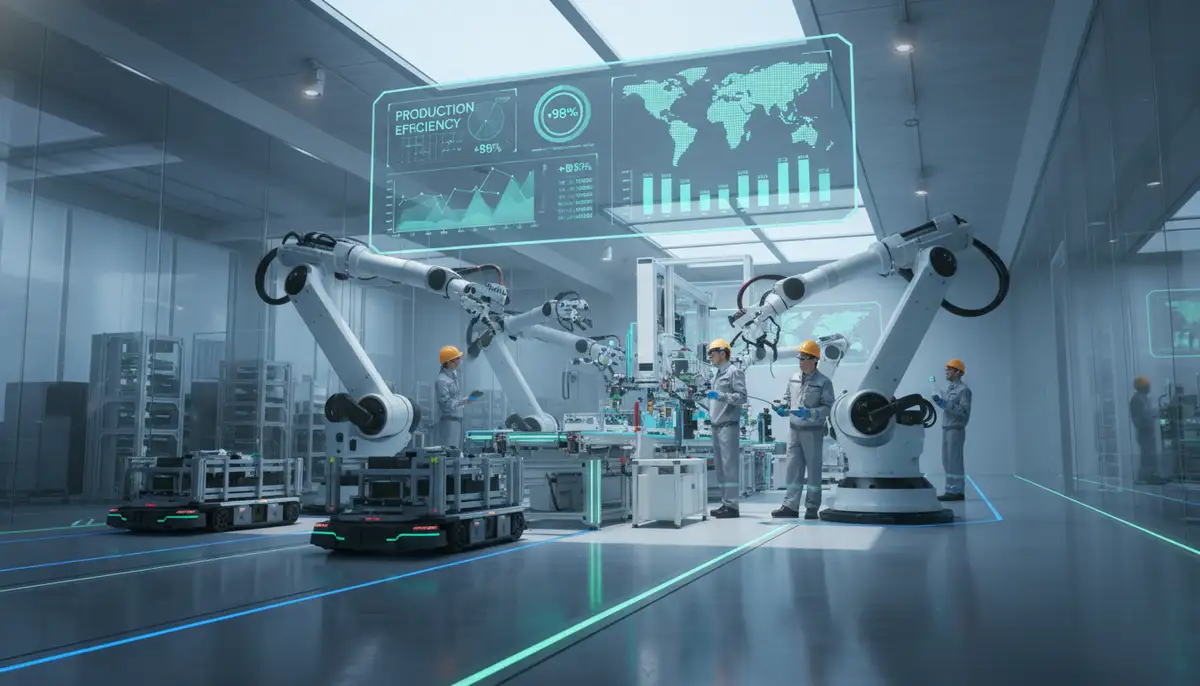
While often seen as a separate system, an integrated CRM is invaluable for manufacturers. It manages customer interactions, sales orders, and service requests. This integration ensures a consistent customer experience. It also provides sales teams with real-time product availability. This connectivity between sales and production is a hallmark of the best ERP for manufacturing.
Data Analytics and Reporting
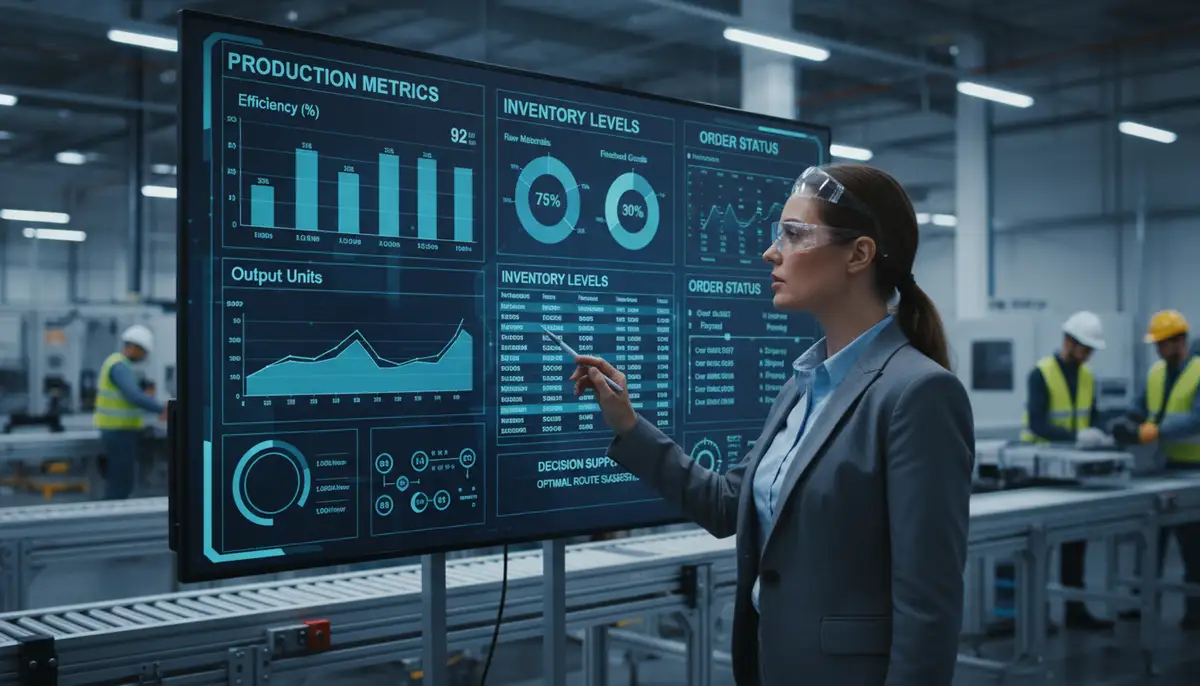
Data is your most valuable asset. The best ERP for manufacturing offers powerful analytics and reporting tools. These tools provide insights into production efficiency, inventory turnover, and financial performance. Dashboards and custom reports help you monitor KPIs (Key Performance Indicators). They enable proactive decision-making. This data-driven approach is essential for continuous improvement.
Odoo: A Strong Contender for the Best ERP for Manufacturing
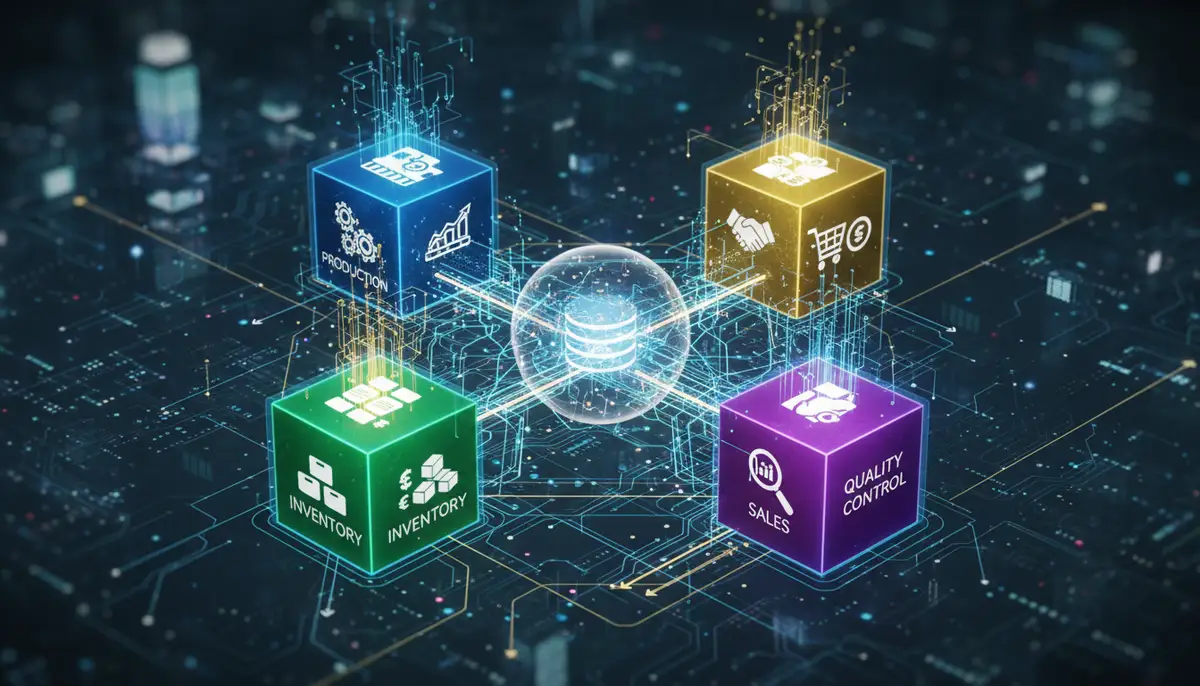
At Odiware Technologies, we have seen Odoo emerge as a powerful and flexible solution for manufacturers. Odoo is an open-source ERP system known for its modularity and extensive feature set. It offers a comprehensive suite of applications that cover all aspects of manufacturing. This includes MRP (Manufacturing Resource Planning), inventory, quality, maintenance, and more. Its integrated nature means all your data resides in one system, providing a single source of truth.
Odoo’s manufacturing module is particularly robust. It handles complex multi-level BOMs, routing, work centers, and production orders. You can manage discrete manufacturing, process manufacturing, and even project-based manufacturing. The system supports various manufacturing strategies like make-to-stock, make-to-order, and engineer-to-order. This adaptability makes Odoo a strong candidate for the best ERP for manufacturing across diverse industries. To understand more about how Odoo can transform your operations, you might want to explore the extensive benefits of Odoo.
Odoo’s Key Manufacturing Strengths:
- Integrated MRP: Seamlessly plan production based on sales orders and forecasts.
- Advanced Scheduling: Optimize work orders and allocate resources efficiently.
- Quality Management: Implement quality control points and track inspections.
- Maintenance Management: Schedule preventive maintenance to minimize downtime.
- Barcode Integration: Streamline inventory operations and production tracking.
- Flexible Customization: Adapt Odoo to your unique workflows and business rules.
While Odoo offers a fantastic foundation, its open-source nature means it can be tailored precisely to your needs. This flexibility is a significant advantage, especially for businesses with unique manufacturing processes. Companies like Cybrosys, Ksolves, and O2b Technologies also provide Odoo solutions, demonstrating the platform’s widespread adoption and the robust ecosystem surrounding it.
Implementation Best Practices for the Best ERP for Manufacturing
Selecting the best ERP for manufacturing is only half the battle. Successful implementation is crucial for realizing its full potential. A well-executed implementation minimizes disruption and maximizes ROI (Return on Investment). Here are some best practices we advocate at Odiware Technologies.
1. Define Clear Objectives
Before you even start, clearly articulate what you want to achieve. What specific problems will the ERP solve? What are your key performance indicators (KPIs) for success? Defining these objectives guides the entire project. It ensures everyone is aligned on the goals. This clarity helps in measuring success post-implementation.
2. Assemble a Dedicated Project Team
An ERP implementation is a company-wide effort. Designate a core project team with representatives from all key departments: production, finance, sales, and IT. This team will provide crucial insights and drive user adoption. Their involvement ensures the system meets diverse departmental needs.
3. Thorough Business Process Analysis
Understand your current ‘as-is’ processes before designing your ‘to-be’ processes. Identify inefficiencies and bottlenecks. The ERP should optimize these processes, not just automate existing flaws. This analysis helps in configuring the ERP effectively. It also highlights areas for process improvement.

4. Phased Approach vs. Big Bang
For manufacturing, a phased implementation often reduces risk. You can roll out modules gradually, allowing users to adapt. This approach provides valuable lessons at each stage. It also minimizes disruption to critical production schedules. However, sometimes a ‘big bang’ is necessary for certain integrations.
5. Data Migration Strategy
Clean, accurate data is paramount. Develop a robust data migration plan. This includes identifying data sources, cleaning data, and mapping it to the new ERP. Poor data quality can cripple even the best ERP for manufacturing. Consider strategies to [backup Odoo] data regularly, especially during migration, to ensure data integrity.
6. Comprehensive User Training
Invest in thorough training for all users. Custom training materials and hands-on sessions are highly effective. User adoption is critical for the success of any ERP. Well-trained employees will utilize the system efficiently. This maximizes your return on investment.
Common Mistakes to Avoid When Choosing and Implementing ERP
Even with the best ERP for manufacturing, pitfalls exist. Avoiding these common mistakes can save you time, money, and frustration.
1. Underestimating Customization Needs
While Odoo is highly customizable, over-customization can be problematic. It increases complexity and makes future upgrades difficult. Strive for a balance between out-of-the-box functionality and essential modifications. Partner with an expert like Odiware to guide these decisions. We help you identify truly necessary customizations.
2. Neglecting Change Management
Implementing a new ERP is a significant change for your employees. Without proper change management, resistance can derail the project. Communicate benefits, address concerns, and involve users early. A proactive approach to change fosters acceptance. It turns potential detractors into advocates.
3. Poor Vendor Selection
Your ERP partner is as important as the software itself. Choose a vendor with proven industry experience, especially in manufacturing. Look for a partner who understands your specific challenges. Their expertise ensures a smoother implementation and ongoing support. This partnership is key to long-term success.
4. Insufficient Testing
Thorough testing is non-negotiable. Test every module, every integration, and every custom workflow. Conduct user acceptance testing (UAT) with real-world scenarios. Catching errors before go-live prevents costly disruptions. This meticulous approach ensures the system performs as expected.
5. Ignoring Post-Implementation Support
An ERP is a living system. It requires ongoing support, maintenance, and periodic updates. Ensure your vendor offers robust post-implementation support. This includes troubleshooting, performance monitoring, and feature enhancements. Continuous support ensures your ERP remains the best ERP for manufacturing for your business.
When to Involve an Odoo Consultant (and Why Odiware Technologies Excels)
While the idea of a DIY ERP implementation might seem appealing, the complexities of manufacturing often require expert guidance. This is particularly true when seeking the best ERP for manufacturing tailored to your specific operations. An Odoo consultant brings specialized knowledge and experience to the table. They help navigate the intricacies of system configuration, customization, and integration. This expertise ensures a smoother, more efficient rollout.
At Odiware Technologies, we pride ourselves on being more than just implementers. We act as strategic partners. We understand the nuances of manufacturing processes and how Odoo can best serve them. Our team helps you define your requirements, optimize workflows, and customize Odoo to fit your unique business model. We ensure your investment in the best ERP for manufacturing truly pays off. We guide you from initial planning through go-live and beyond, providing continuous support.
| Challenge | Consultant’s Role | Odiware’s Approach |
|---|---|---|
| Complex Requirements | Translates business needs into technical specifications. | Deep dive into your manufacturing processes, offering tailored Odoo solutions. |
| Integration Challenges | Ensures seamless data flow between Odoo and other systems. | Expertise in third-party integrations, minimizing data silos. |
| Process Optimization | Identifies inefficiencies and recommends best practices. | Leveraging Odoo’s capabilities to streamline your production workflows. |
| User Adoption | Develops training programs and change management strategies. | Comprehensive training and ongoing support to empower your team. |
| Future Scalability | Designs an ERP architecture that grows with your business. | Building a scalable Odoo foundation for your long-term manufacturing growth. |
Working with a seasoned Odoo partner like Odiware Technologies means you gain access to a wealth of knowledge. We help you avoid common pitfalls and accelerate your time to value. Our focus is on delivering tangible business impact, not just installing software. We ensure your Odoo ERP is not just functional but also a strategic asset. This partnership is crucial for unlocking the full potential of the best ERP for manufacturing.
Exploring Other Leading ERP Solutions for Manufacturing
While Odoo is a robust solution, it’s important to acknowledge other strong contenders in the ERP market for manufacturing. Each system has its strengths and is suited for different business sizes and complexities. For a comprehensive overview, you can refer to resources like Top10ERP’s blog on manufacturing ERP which discusses various options like Dynamics 365 Business Central.
For instance, SAP ERP systems are widely used in the industry, offering extensive features for production planning and materials management. Similarly, Epicor delivers specialized ERP software designed specifically for manufacturers, helping job shops and multi-plant operations streamline processes. Understanding these alternatives helps you make an informed decision. It ensures you select the best ERP for manufacturing that aligns perfectly with your company’s scale and specific needs.
Frequently Asked Questions About the Best ERP for Manufacturing
Q1: How long does it take to implement the best ERP for manufacturing?
Implementation timelines vary greatly. They depend on your company’s size, complexity, and the scope of modules. A small-to-medium business might see a go-live in 3-6 months. Larger enterprises with extensive customizations could take 9-18 months. Proper planning and an experienced partner like Odiware can significantly streamline the process.
Q2: What is the typical cost of the best ERP for manufacturing?
ERP costs include software licenses, implementation services, customization, training, and ongoing support. Odoo, being open-source, often has lower licensing costs but still requires investment in implementation. Total costs can range from tens of thousands for smaller businesses to millions for large, complex deployments. Focus on ROI, not just the upfront price.
Q3: Can an ERP system integrate with my existing machinery or IoT devices?
Absolutely. Modern ERP systems, especially Odoo, are designed for integration. They can connect with various shop floor equipment, SCADA systems, and IoT (Internet of Things) devices. This integration provides real-time data on machine performance and production status. It helps you achieve true Industry 4.0 capabilities. This is a key differentiator for the best ERP for manufacturing in 2025.
Q4: What support is available after ERP implementation?
Post-implementation support is critical. It typically includes technical support for issues, system maintenance, and updates. Many partners, including Odiware, offer ongoing consultation and optimization services. This ensures your ERP continues to meet evolving business needs. It also maximizes your system’s longevity and effectiveness.
Conclusion: Partnering for Success with the Best ERP for Manufacturing
Choosing and implementing the best ERP for manufacturing is a transformative journey. It’s a strategic investment that can redefine your operational efficiency, drive innovation, and secure your competitive edge in 2025 and beyond. From robust production planning to integrated supply chain management, the right system empowers your business to thrive. Odoo stands out as a highly flexible and comprehensive solution, capable of adapting to diverse manufacturing needs.
However, the path to successful ERP adoption is rarely a solo endeavor. It requires careful planning, deep industry knowledge, and expert execution. At Odiware Technologies, we specialize in guiding manufacturing businesses through this complex landscape. We provide tailored Odoo ERP implementation and custom software solutions. Our goal is to ensure your ERP system is not just installed but truly optimized for your specific challenges and growth aspirations. We help you unlock the full potential of the best ERP for manufacturing.
Ready to explore how the best ERP for manufacturing can revolutionize your operations? Consider partnering with Odiware Technologies. Let us help you navigate your digital transformation journey. Discover how our expertise can translate into tangible business results for you. Try Free Trial or contact us for a personalized consultation. We are here to help you make an informed decision and build a future-proof manufacturing enterprise.


