


Navigating the Future: Why Your Business Needs the Best ERP Cloud Software
In today’s fast-paced business world, choosing the right technology is crucial. Your enterprise resource planning (ERP) system is the backbone of your operations. It connects everything from finance to inventory. Many businesses are now looking for the best ERP cloud software to stay competitive. This shift to the cloud offers significant advantages. It provides flexibility, scalability, and enhanced data security. However, identifying the absolute best ERP cloud software for your specific needs can feel overwhelming. This guide will help you understand your options and make an informed decision.
As Odoo consultants at Odiware Technologies, we see many businesses grapple with this choice. They want a solution that truly drives efficiency and growth. We believe a well-implemented cloud ERP system is a game-changer. It streamlines processes, improves decision-making, and reduces operational costs. Let’s explore what makes a cloud ERP system effective and how to choose the best fit for your organization.
What Exactly is Cloud ERP?
Cloud ERP refers to enterprise resource planning software hosted on a vendor’s servers. You access it over the internet, typically through a web browser. This differs from traditional on-premise ERP, which runs on your own servers. With cloud ERP, the vendor manages all infrastructure, maintenance, and updates. This model frees your IT team from significant burdens. It also often reduces upfront costs. You pay a subscription fee, similar to a utility bill.
The ‘cloud’ aspect means your data and applications reside in a secure, remote data center. This setup allows for access from anywhere, at any time. It’s a key reason why many consider it the best ERP cloud software option. This flexibility is vital for modern businesses with remote teams or multiple locations.
Why Cloud ERP is Non-Negotiable in 2025
The benefits of cloud ERP extend far beyond just remote access. In 2025, these advantages are more critical than ever. Businesses need agility and resilience. Cloud solutions deliver both.
- Cost Efficiency: Reduce IT infrastructure investments and maintenance costs. Pay only for what you use with subscription models.
- Scalability: Easily scale up or down based on business needs. Cloud ERP adapts to your growth without major hardware upgrades.
- Accessibility: Access business data and applications from any device, anywhere. This supports remote work and global operations.
- Automatic Updates: Vendors handle software updates and security patches. Your system always stays current with the latest features and security measures.
- Enhanced Security: Cloud providers invest heavily in security infrastructure. They often offer better protection than what most small to medium businesses can afford on-premise.
- Faster Implementation: Cloud ERP systems can be deployed much quicker. This means your business realizes value sooner.
- Disaster Recovery: Built-in backup and recovery mechanisms protect your data. This ensures business continuity even during unforeseen events.
These benefits collectively make cloud ERP a strategic imperative. For many, it represents the best ERP cloud software approach for future-proofing their operations. It empowers businesses to react quickly to market changes and seize new opportunities.
Key Considerations for Selecting the Best ERP Cloud Software
Choosing the best ERP cloud software requires careful thought. It’s not a one-size-fits-all decision. You need to align the software with your unique business processes and goals. Here are critical factors to consider:
1. Industry-Specific Functionality

Does the software cater to your industry’s specific needs? For instance, a manufacturing company has different requirements than a retail business. Look for solutions with modules or features designed for your sector. Odoo, for example, offers a vast app store with modules for nearly every industry imaginable. This flexibility makes it a strong contender for the best ERP cloud software across diverse sectors. You can find out more about leading ERP systems by exploring resources like this blog on top ERP systems.
2. Scalability and Flexibility
Your business will grow and change. The best ERP cloud software should grow with you. It needs to handle increased data volumes and user numbers. Look for modular systems that allow you to add functionalities as needed. This prevents you from paying for features you don’t use. It also ensures long-term viability.
3. Integration Capabilities
Your ERP system rarely operates in isolation. It needs to connect with other critical tools. Think about your CRM, e-commerce platforms, or specialized accounting software. Seamless integration prevents data silos and manual data entry. For example, if you’re an e-commerce business, you’ll want to ensure your chosen ERP integrates well with your existing platforms. You might also want to read our insights on choosing the best accounting software for ecommerce business to ensure comprehensive integration.
4. Total Cost of Ownership (TCO)
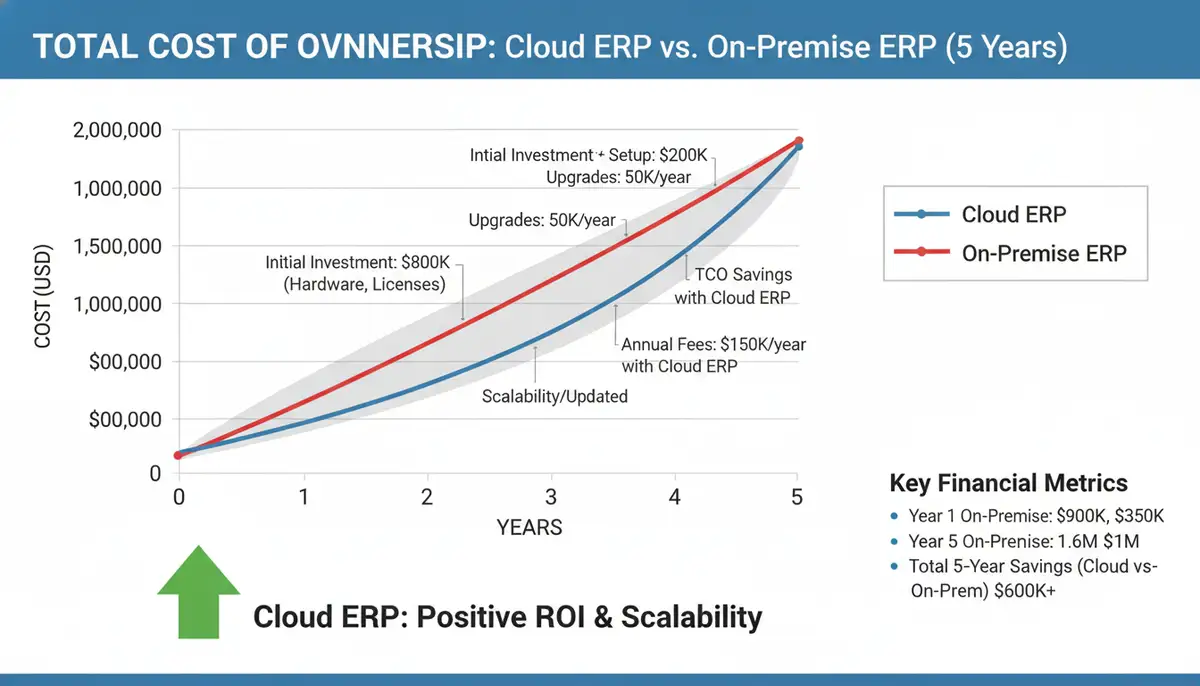
Beyond subscription fees, consider all costs. This includes implementation, customization, training, and ongoing support. Cloud ERP generally has a lower TCO than on-premise solutions. However, hidden costs can emerge, especially with extensive customizations or poor vendor support. Always ask for a clear breakdown of all potential expenses. A comprehensive view helps you truly identify the best ERP cloud software for your budget.
5. User Experience and Training
An ERP system is only effective if your team uses it. A clunky interface leads to frustration and low adoption. Look for intuitive designs and user-friendly navigation. Also, consider the availability of training resources. A good user experience ensures your investment pays off. It makes the transition smoother for everyone.
6. Vendor Reputation and Support
Research the vendor’s track record. How long have they been in business? What is their customer support like? Companies like Oracle NetSuite, SAP S/4HANA, Microsoft Dynamics 365, and Odoo are prominent players. Other strong contenders include Epicor, Infor CloudSuite, and Acumatica Cloud ERP. You can gain further insights into various options by checking out leading ERP software options. A reliable vendor provides excellent support and continuous innovation. This is crucial for long-term success with your chosen best ERP cloud software.
Odoo: A Strong Contender for the Best ERP Cloud Software
As Odoo consultants, we often highlight Odoo’s unique position in the market. It’s an open-source suite of business management software. Odoo offers a comprehensive range of integrated applications. These include CRM, e-commerce, accounting, manufacturing, inventory, and project management. Its modular design allows businesses to start small and add applications as they grow. This flexibility is a major advantage. It makes Odoo a strong candidate for the best ERP cloud software for many organizations.
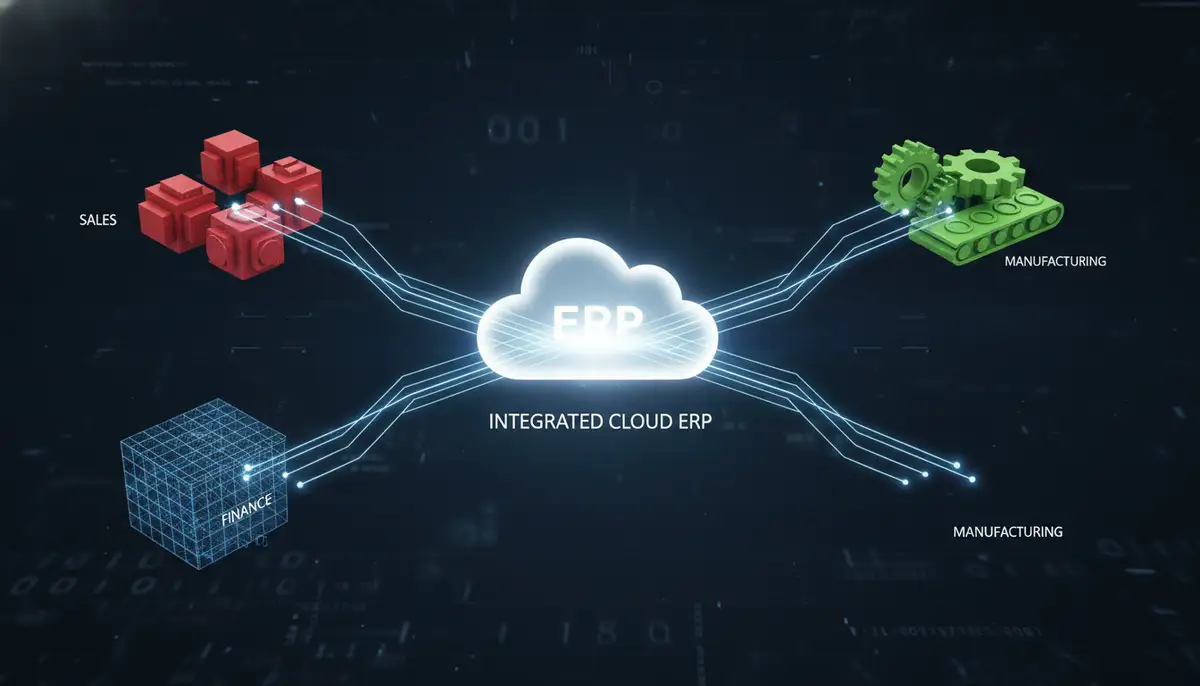
Odoo’s community version is free, while the enterprise version offers more features and official support. This hybrid model provides options for businesses of all sizes. Its robust API (Application Programming Interface) also ensures excellent integration capabilities. This means it can connect with your other essential tools seamlessly. Odoo’s adaptability helps businesses like yours achieve operational excellence. This is where partners like Odiware Technologies excel. We specialize in Odoo ERP implementation and custom software solutions. We help businesses streamline operations and enhance productivity with Odoo.
Common Mistakes When Choosing the Best ERP Cloud Software
Even with careful planning, pitfalls exist. Avoiding these common mistakes can save you time and money. It also ensures a smoother transition to your new system.
- Ignoring Future Needs: Don’t just solve today’s problems. Think about where your business will be in 3-5 years. Choose a system that can adapt.
- Underestimating Implementation Complexity: ERP implementation is a significant project. It requires resources, time, and expertise. Don’t go into it lightly.
- Focusing Only on Initial Cost: The cheapest option isn’t always the best. Consider the long-term value, support, and scalability.
- Lack of User Adoption Planning: Without proper training and change management, user resistance can derail your project. Engage users early.
- Skipping a Thorough Needs Assessment: Clearly define your current processes and pain points. Understand what you need the ERP to achieve before you even start looking.
These mistakes often lead to costly rework or a system that doesn’t meet expectations. A proactive approach is always better. It ensures you truly get the best ERP cloud software for your investment.
Best Practices for a Successful Cloud ERP Implementation
A successful implementation is as important as choosing the right software. Here are some best practices we recommend at Odiware Technologies:
- Define Clear Objectives: What specific business problems will the ERP solve? How will success be measured?
- Assemble a Dedicated Project Team: Include key stakeholders from all relevant departments. Assign clear roles and responsibilities.
- Cleanse and Migrate Data Carefully: Poor data quality can cripple a new system. Plan a meticulous data migration strategy.
- Prioritize Phased Implementation: Instead of a ‘big bang’ approach, roll out modules in phases. This allows for learning and adjustments.
- Invest in Comprehensive Training: Ensure all users are comfortable and proficient with the new system. Ongoing training is also vital.
- Partner with an Experienced Consultant: An expert partner guides you through the complexities. They help tailor the system to your needs and avoid common pitfalls.
Remember, the goal is not just to install software. The goal is to transform your business processes. It’s about leveraging the best ERP cloud software to its full potential. For more guidance on selecting an ERP system, you might find this video helpful:
.
When to Involve an Odoo Consultant (and Why It Matters for the Best ERP Cloud Software)
While Odoo is user-friendly, its vast capabilities can be daunting. This is especially true for complex businesses. Engaging an Odoo consultant early in the process offers significant advantages. We help you navigate the options and ensure you select the best ERP cloud software for your specific needs.
| Scenario | Consultant’s Role |
|---|---|
| Complex Business Processes | Analyze your workflows, identify inefficiencies, and map them to Odoo’s capabilities. |
| Extensive Customization Needs | Develop custom modules or modify existing ones to perfectly fit your unique requirements. |
| Data Migration from Legacy Systems | Plan and execute secure, accurate data transfer from old systems to Odoo. |
| Integration with Third-Party Software | Ensure seamless connectivity with your CRM, e-commerce platforms, or other specialized tools. |
| Strategic Planning & Roadmap | Help define a long-term ERP strategy, ensuring Odoo supports your business growth. |
| User Training & Adoption | Provide tailored training programs to maximize user proficiency and system adoption. |
Companies like ksolves.com, cybrosys.com, and serpentcs.com also offer Odoo services. However, at Odiware Technologies, we pride ourselves on our deep understanding of business processes. We combine this with our technical Odoo expertise. Our goal is to deliver solutions that genuinely enhance productivity. We ensure you get the most out of your investment in the best ERP cloud software.

FAQs About the Best ERP Cloud Software
Q1: Is cloud ERP secure?
A: Yes, generally cloud ERP is very secure. Leading cloud providers invest heavily in robust security measures. They employ advanced encryption, regular audits, and physical security for their data centers. This often surpasses the security capabilities of individual businesses. Always choose a reputable vendor with strong security protocols. This ensures your data remains protected.
Q2: How long does it take to implement the best ERP cloud software?
A: Implementation times vary widely. Simple deployments can take a few weeks. Complex projects with extensive customizations might take several months. Factors like data migration, integration needs, and team readiness all play a role. A clear project plan and experienced partners like Odiware can significantly streamline the process.
Q3: Can small businesses benefit from cloud ERP?
A: Absolutely. Cloud ERP offers significant benefits for small businesses. It provides access to powerful tools without large upfront investments. The scalability allows them to grow into the system. It helps them compete more effectively with larger enterprises. Odoo, with its modular design, is particularly well-suited for growing SMEs.
Q4: What’s the difference between cloud ERP and SaaS ERP?
A: SaaS (Software as a Service) is a specific delivery model for cloud software. All SaaS ERP solutions are cloud-based. However, not all cloud ERP solutions are strictly SaaS. Some might offer private cloud deployments or other hosting options. For most businesses, when they refer to the ‘best ERP cloud software,’ they are thinking of a SaaS model.
Q5: How do I choose the best ERP cloud software for my e-commerce business?
A: For e-commerce, prioritize strong integration with your online store, payment gateways, and shipping carriers. Inventory management and order fulfillment capabilities are also crucial. Look for systems that offer robust e-commerce modules or seamless API connections. You should also consider your best ecommerce shopping carts and how they will integrate.
Conclusion: Partnering for Success with the Best ERP Cloud Software
Choosing the best ERP cloud software is a strategic decision. It impacts every facet of your business. The right system can unlock new levels of efficiency, insight, and growth. It’s not just about the software itself. It’s also about the implementation and ongoing support. This ensures your investment truly pays off. We hope this guide helps you navigate the options for the best ERP cloud software in 2025. You can also explore market insights from platforms like Gartner’s reviews of cloud ERP for product-centric enterprises to further inform your decision.
At Odiware Technologies, we understand these complexities. We have extensive experience with Odoo ERP implementation. Our team helps businesses like yours identify, customize, and deploy the best ERP cloud software solution. We focus on your unique challenges and opportunities. Our partnership ensures a smooth transition and long-term success. Don’t embark on this journey alone. Let’s discuss how Odoo can transform your operations. Contact us today for a consultation. We are ready to help you find the best ERP cloud software for your business.


