


Introduction: Navigating the Digital Marketplace Landscape
The digital economy thrives on marketplaces. Choosing the best ecommerce marketplace platform is a crucial decision for your business. This choice impacts your growth, efficiency, and customer experience significantly. We will explore key considerations for 2025, offering an expert perspective.
Many businesses struggle with this selection. They often underestimate the complexity of integration and scalability requirements. Our goal at Odiware is to provide clarity and expert guidance through this process. We help you make an informed decision.
What Defines the Best eCommerce Marketplace Platform Today?
In 2025, the best ecommerce marketplace platform goes far beyond basic transactions. It offers robust features, seamless integrations, and exceptional scalability. You need a platform that aligns with your long-term business vision and operational needs.
A true marketplace platform effectively connects multiple sellers with multiple buyers. It must manage complex logistics, secure payments, and provide comprehensive customer support. This creates a vibrant, self-sustaining ecosystem for all participants.
Key Features to Look for in the Best eCommerce Marketplace Platform
- Multi-vendor Management: Tools for onboarding, managing, and tracking multiple sellers efficiently.
- Robust Product Catalog: Ability to handle diverse product types, variations, and rich content effectively.
- Advanced Search & Filtering: Intuitive options for buyers to find products easily and quickly.
- Secure Payment Gateways: Support for various payment methods and secure, compliant transactions.
- Order Management & Fulfillment: Efficient processing from purchase to delivery, including returns.
- Seller Tools: Dashboards, reporting, and communication features that empower your vendors.
- Scalability: The platform must grow seamlessly with your business volume and increasing complexity.
- Customization: Flexibility to tailor the platform to your unique brand identity and specific operational needs.
These features form the essential backbone of any successful marketplace operation. Without them, you risk facing significant operational bottlenecks and delivering a poor user experience. Prioritizing these elements is non-negotiable.
The Odoo Advantage: A Unified Approach to Your Marketplace
Many platforms offer marketplace functionalities as standalone solutions. However, Odoo provides a uniquely integrated approach. It combines robust ecommerce capabilities with comprehensive ERP functionalities. This ensures your marketplace is not an isolated silo.
With Odoo, your online store, CRM, inventory, accounting, and even manufacturing are all connected. This holistic approach is why many businesses consider Odoo a strong contender for the best ecommerce marketplace platform, especially for integrated operations. It simplifies your entire tech stack.
Why Odoo Excels for Marketplace Operations
- Seamless Integration: All core business functions reside within one system, significantly reducing data silos and inconsistencies.
- Scalability: Odoo is designed to grow, supporting everything from small startups to large, complex enterprises with ease.
- Customization: Its open-source nature allows for extensive tailoring, adapting to your precise business requirements.
- Cost-Effectiveness: Often a more economical choice compared to managing multiple disparate systems and their associated licenses.
- Improved Efficiency: Automation across various departments saves valuable time and minimizes costly errors.
- Enhanced Customer Experience: A unified view of customer data enables highly personalized interactions and better service.
This integrated model helps businesses avoid common pitfalls associated with fragmented systems. You eliminate the need to juggle multiple software subscriptions and platforms. This drastically simplifies your technology infrastructure and management.

Common Challenges and How to Overcome Them
Selecting the best ecommerce marketplace platform is merely the initial step. Implementation and ongoing management present their own unique challenges. Understanding these potential hurdles helps you prepare effectively.
One major hurdle often involves data migration. Moving existing product data, customer information, and historical order data can be complex. Thorough planning and careful execution are absolutely critical here.
Another common challenge involves integrating with various third-party services. These might include specific shipping carriers, specialized payment processors, or external marketing automation tools. Ensuring smooth data flow is essential.
Best Practices for a Successful Marketplace Launch
- Define Your Niche: Clearly identify your target audience and the specific product categories you will offer.
- Start Small, Scale Fast: Launch with essential core features, then add more functionalities incrementally as you grow.
- Focus on Seller Experience: Make it incredibly easy for vendors to join, list their products, and manage their sales.
- Prioritize Customer Experience: Ensure a smooth, intuitive, and enjoyable buying journey for all your customers.
- Invest in Marketing: Develop a robust strategy to drive traffic and build strong awareness for your new marketplace.
- Regularly Analyze Performance: Utilize data and analytics to identify trends, pinpoint areas for improvement, and optimize operations.
Adhering to these best practices can significantly increase your chances of marketplace success. They provide a clear, actionable roadmap for achieving sustainable growth and market relevance. Consistency is key.
When to Involve an Odoo Consultant (and Why Odiware is Your Partner)
While some platforms offer seemingly simple DIY setups, complex marketplace requirements often benefit from expert guidance. This is especially true when you are seeking the best ecommerce marketplace platform that integrates deeply with your existing business operations.
An Odoo consultant, like those at Odiware Technologies, brings invaluable experience and specialized knowledge. We help you meticulously map your unique business processes to Odoo’s powerful capabilities. We also ensure seamless data migration and custom module development when needed.
Our team deeply understands the nuances of multi-vendor environments. We can help you navigate complex challenges such as payment splitting, commission management, and intricate tax rules. This ensures your platform is robust, compliant, and operates flawlessly.
Evaluating Other Leading eCommerce Marketplace Platforms
While Odoo offers a compelling, integrated solution, other platforms certainly exist in the market. Many businesses explore various options based on their specific needs and budget. Understanding the broader landscape is crucial for choosing the best ecommerce marketplace platform.
For a broader perspective on popular choices, you might review comprehensive guides on leading e-commerce platforms. These valuable resources often cover widely used platforms like Shopify, BigCommerce, Wix, and others, offering detailed comparisons.
Shopify, for instance, is a widely recognized and highly popular platform. It hosts over a million e-shops, as highlighted in this review of top e-commerce platforms. It is known for its user-friendliness and extensive app store ecosystem.
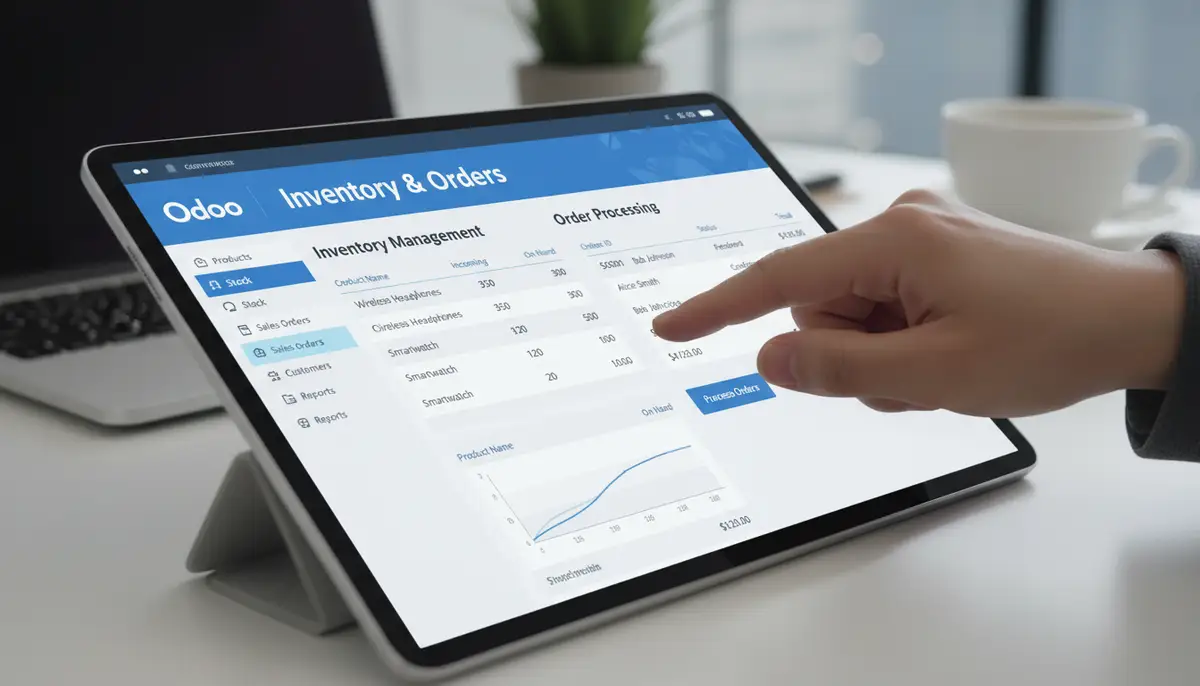
However, standalone platforms often require extensive, custom integrations with other business systems. This can lead to higher costs and increased complexity over time. An integrated ERP like Odoo inherently avoids many of these issues.
| Platform Type | Pros | Cons |
|---|---|---|
| Integrated ERP (e.g., Odoo) | Unified data, enhanced automation, lower total cost of ownership (TCO) for complex needs, high customization. | Steeper learning curve, requires expert implementation for full benefits. |
| Standalone SaaS (e.g., Shopify, BigCommerce) | Ease of use, quick setup, extensive app marketplaces, strong community support. | Can lead to data silos, higher integration costs for ERP, less control over core functionality. |
| Open Source (e.g., Magento Open Source) | Full control, high flexibility, no recurring platform fees. | Requires significant technical expertise, higher development and maintenance costs. |
For a deeper dive into the vast array of existing online marketplaces worldwide, you can consult a list of online marketplaces. This resource showcases the immense diversity and scale of the global market. It illustrates the competitive landscape.
The Importance of Integration: Beyond the Marketplace Frontend
The frontend of your marketplace is what customers primarily see and interact with. However, the backend is where the real operational work happens. Seamless integration with your ERP and other critical systems is absolutely paramount for efficiency.
Your chosen platform must connect effortlessly with inventory management, CRM, and accounting systems. This ensures accurate data flow and streamlined operations across your entire organization. Without this, you cannot truly claim to have the best ecommerce marketplace platform.
Consider how your marketplace will handle complex B2B scenarios. If you are exploring this specialized area, our insights on navigating the best B2B ecommerce websites can provide valuable context and strategic advice. It’s a different game.
Accounting and Financial Management
Financial accuracy is critically important for any successful marketplace operation. Your platform needs either robust, built-in accounting features or seamless integration with your existing accounting software. Precision is non-negotiable.
For example, managing vendor commissions, processing timely payouts, and ensuring tax compliance all require meticulous precision. Odoo’s fully integrated accounting module significantly simplifies and automates these complex tasks. It reduces manual effort and errors.
If you’re looking for more specific guidance on this crucial aspect, our expert perspective on choosing the best accounting software for ecommerce business offers detailed advice. It covers key considerations for your financial health.
Watch this video for more insights on choosing the right platform:
Future-Proofing Your Investment
Technology evolves at an incredibly rapid pace. Therefore, your choice for the best ecommerce marketplace platform should always consider future trends and adaptability. Look for flexibility and a strong, active development roadmap from the provider.
Odoo’s open-source model ensures continuous innovation and community support. A large network of developers and partners, including companies like cybrosys.com, o2btechnologies.com, and odooimplementers.com, actively contribute to its evolution. This keeps the platform current and highly adaptable to new demands.
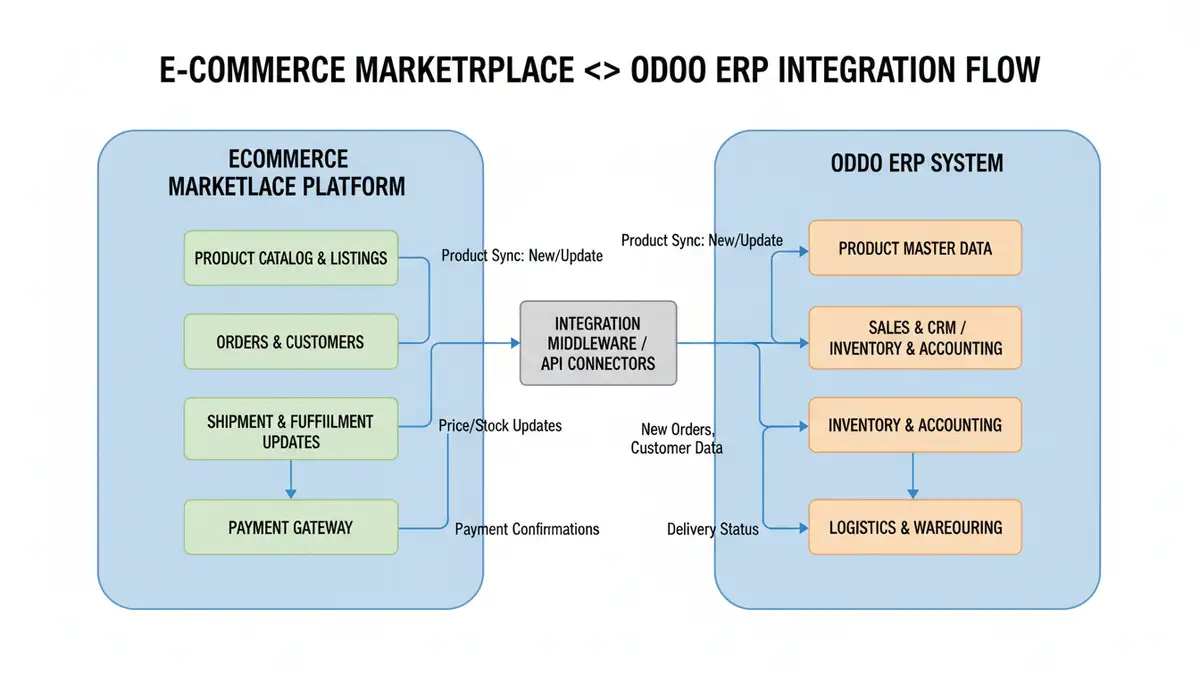
This collaborative environment means your platform can readily adapt to new market demands and emerging technologies. You avoid being locked into outdated or stagnant technology, ensuring long-term relevance and competitive advantage.
Frequently Asked Questions (FAQs)
What is the primary difference between an ecommerce platform and an ecommerce marketplace platform?
An ecommerce platform typically supports a single vendor selling their own products directly to customers. An ecommerce marketplace platform, however, facilitates sales from multiple independent vendors to a broad customer base. It acts as a central intermediary, managing the ecosystem.
Can Odoo truly be the best ecommerce marketplace platform for both B2C and B2B?
Yes, Odoo’s inherent flexibility makes it highly suitable for both B2C and B2B models. Its modular design allows for specific configurations and customizations. You can tailor it for consumer-facing sales or for complex business-to-business transactions, including unique pricing and workflows.
How important is mobile responsiveness for a marketplace platform?
Mobile responsiveness is absolutely critical in today’s digital landscape. A significant portion of online traffic and purchases originates from mobile devices. Your best ecommerce marketplace platform must offer a flawless, intuitive experience across all screen sizes and devices.
What are the key security considerations for an ecommerce marketplace?
Data security is paramount for any online marketplace. Look for essential features like robust SSL encryption, PCI DSS compliance for payment processing, and strong user authentication methods. Regular security audits and updates are also absolutely essential to protect sensitive data.
How does Odiware support businesses in choosing and implementing their marketplace platform?
Odiware provides comprehensive, end-to-end Odoo consulting services. We help you meticulously analyze your specific business needs, design the optimal Odoo marketplace solution, and expertly manage the entire implementation process. Our primary focus is always on maximizing your business impact and achieving your strategic goals.
Conclusion: Making an Informed Decision for Your Marketplace Success
Choosing the best ecommerce marketplace platform is undeniably a strategic decision that shapes your digital future. It requires careful evaluation of features, scalability, and seamless integration capabilities. Odoo consistently stands out as a powerful, truly integrated solution for modern businesses.
While many platforms exist, Odoo’s unified approach offers distinct and compelling advantages. It streamlines operations, eliminates data silos, and provides a holistic view of your entire business. This leads directly to greater efficiency, enhanced productivity, and sustainable growth.

Don’t navigate this complex and critical landscape alone. Expert guidance can make a significant difference in your success. Odiware Technologies specializes in Odoo ERP implementation and custom software solutions. We are dedicated to helping businesses like yours streamline operations and enhance productivity.
We invite you to explore how an Odoo-based marketplace can truly transform your business. Reach out to our experienced team to discuss your unique requirements and discover tailored solutions. Contact us today for a personalized consultation.


