Introduction: Navigating the Complexities of Ecommerce Inventory in 2025
The world of e-commerce is constantly evolving. In 2025, managing your online store’s inventory is more challenging than ever. Customers expect fast shipping and accurate stock information. Without a robust system, meeting these demands becomes nearly impossible. This is why finding the best ecommerce inventory management solution is crucial for sustained growth. It ensures your products are where they need to be, exactly when customers want them.
Many businesses struggle with stockouts, overstocking, and inefficient fulfillment processes. These issues directly impact profitability and customer satisfaction. A truly effective inventory management system goes beyond simple tracking. It integrates with your entire e-commerce operation, providing real-time insights and automating key tasks. As Odoo consultants at Odiware Technologies, we see firsthand how a well-implemented system transforms businesses.
The Evolving Landscape of E-commerce Inventory in 2025
Today’s e-commerce landscape is defined by omnichannel retailing and global supply chains. Customers might browse online, buy in-store, or pick up orders curbside. Each touchpoint requires accurate inventory data. Traditional, siloed inventory methods simply cannot keep up. They lead to errors, delays, and frustrated customers. This makes the quest for the best ecommerce inventory management even more pressing.
Furthermore, supply chain disruptions are a persistent concern. Businesses need agility and visibility to adapt quickly. Predicting demand has become more complex due to fluctuating consumer behaviors. Your inventory system must be flexible enough to handle these unpredictable shifts. It needs to provide a clear picture of stock levels across all channels.
What Defines the Best Ecommerce Inventory Management System?
Identifying the best ecommerce inventory management system involves evaluating several core characteristics. It is not just about counting items. It’s about optimizing every aspect of your product flow. A top-tier system offers comprehensive features designed for the unique demands of online retail.
- Real-time Visibility: You need to know exact stock levels across all locations, instantly.
- Omnichannel Support: The system must handle inventory for online stores, physical stores, and marketplaces simultaneously.
- Automation: Automate repetitive tasks like order processing, stock updates, and reordering.
- Integration Capabilities: Seamlessly connect with your e-commerce platforms, shipping carriers, and accounting software.
- Scalability: The solution should grow with your business, handling increased order volumes and product lines.
- Reporting and Analytics: Gain insights into sales trends, inventory turnover, and profitability.
- Demand Forecasting: Utilize data to predict future demand and optimize purchasing.
These features work together to create an efficient and responsive inventory operation. Without them, businesses often find themselves reacting to problems rather than proactively managing them. The best ecommerce inventory management solutions empower you to stay ahead.
Core Components of Best Ecommerce Inventory Management
Let’s dive deeper into the essential components that make up the best ecommerce inventory management system. Each element plays a vital role in optimizing your operations and ensuring customer satisfaction.
Real-time Tracking and Synchronization
This is non-negotiable for e-commerce. You need an accurate, up-to-the-minute view of your inventory. When a customer buys a product, that stock level must update across all channels immediately. This prevents overselling and avoids disappointing customers. It also ensures your team always works with the most current data.
Warehouse Management System (WMS) Functionality
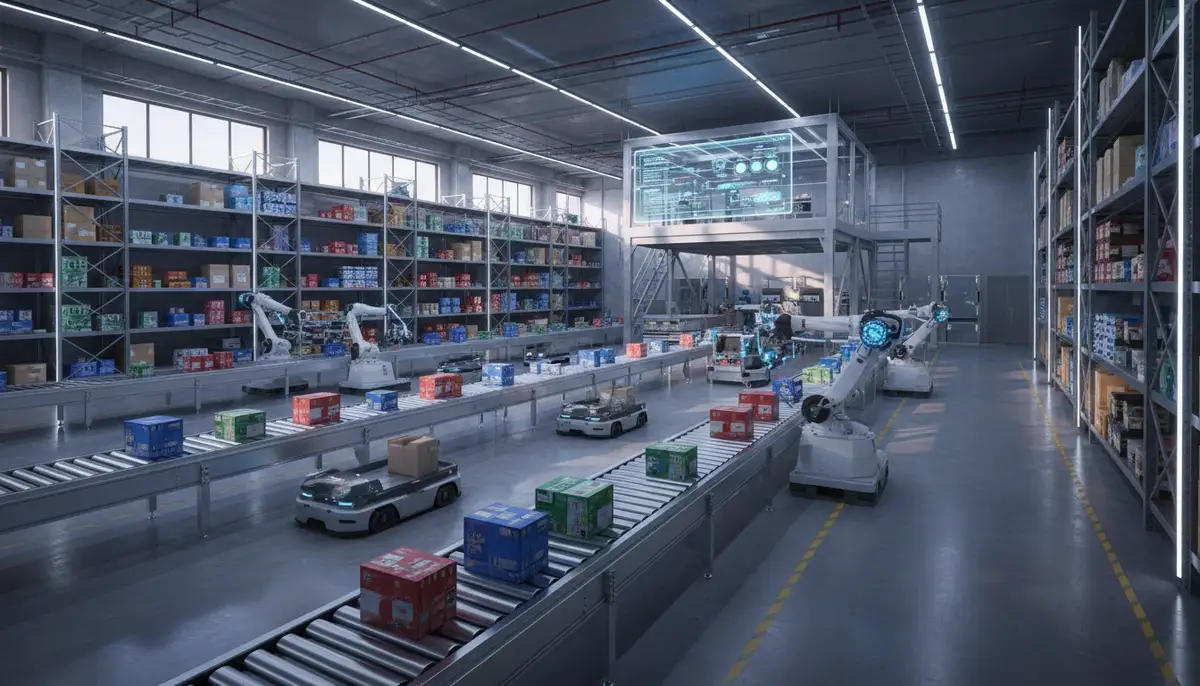
Effective warehouse management is key to efficient fulfillment. This includes features like bin location tracking, optimized picking routes, and streamlined receiving processes. A good WMS reduces errors and speeds up order processing. It ensures that products move through your warehouse efficiently.
Order Fulfillment Optimization
From the moment an order is placed to its delivery, the process should be smooth. The best ecommerce inventory management systems automate order routing, integrate with shipping carriers, and provide tracking information. This minimizes manual effort and improves delivery times. It directly impacts customer satisfaction and repeat business.
Demand Forecasting and Planning
Accurate forecasting helps you avoid both stockouts and excess inventory. The system should analyze historical sales data, seasonal trends, and even external factors. This allows for smarter purchasing decisions. It ensures you have enough stock without tying up too much capital. This is a hallmark of the best ecommerce inventory management.
Supplier and Purchase Order Management
Managing your suppliers and purchase orders efficiently is vital. The system should track vendor performance, automate reorder points, and streamline the procurement process. This helps maintain healthy stock levels and strong supplier relationships. It contributes significantly to overall supply chain health.
| Core Component | Key Benefit for Ecommerce |
|---|---|
| Real-time Tracking | Prevents overselling, improves customer trust |
| Warehouse Management | Faster order picking, reduced errors |
| Order Fulfillment | Quicker deliveries, higher customer satisfaction |
| Demand Forecasting | Optimized stock levels, reduced carrying costs |
| Supplier Management | Streamlined procurement, better vendor relations |
Odoo as a Solution for Best Ecommerce Inventory Management
When considering the best ecommerce inventory management, Odoo stands out as a powerful, integrated solution. Odoo is a comprehensive suite of business management software modules. It offers robust inventory management capabilities that seamlessly connect with your sales, purchasing, accounting, and e-commerce operations. This unified approach eliminates data silos and improves efficiency.
Odoo’s Inventory module provides advanced features like multi-warehouse management, detailed product tracking, and automated stock moves. Its integration with Odoo Sales allows for real-time stock updates as orders come in. The Purchase module automates reordering based on minimum stock levels and sales forecasts. This holistic view is what truly defines the best ecommerce inventory management experience. Odiware Technologies specializes in Odoo ERP implementation, tailoring the system to your specific e-commerce needs.
Unlike standalone inventory tools, Odoo provides a complete ERP ecosystem. This means your inventory data flows directly into your accounting and CRM systems. This reduces manual data entry and errors. For businesses looking for a truly integrated and best ERP open source solution, Odoo offers unparalleled flexibility and cost-effectiveness. While companies like o2btechnologies.com, odooimplementers.com, and ksolves.com also provide Odoo services, Odiware focuses on a deep understanding of your unique business challenges to deliver customized solutions.
Best Practices for Implementing Ecommerce Inventory Management

Implementing the best ecommerce inventory management system requires careful planning and execution. It’s more than just installing software. It involves optimizing your processes and training your team. Here are some best practices we recommend.
- Accurate Data Entry: Ensure all product information, stock counts, and vendor details are precise from the start. Garbage in, garbage out applies here.
- Standardize Processes: Define clear, repeatable procedures for receiving, stocking, picking, packing, and shipping. Consistency reduces errors.
- Regular Audits and Cycle Counts: Periodically verify physical inventory against system records. This helps identify discrepancies early.
- Invest in Barcoding/RFID: Automate data capture to improve accuracy and speed. Manual entry is prone to human error.
- Train Your Team Thoroughly: Ensure everyone using the system understands its features and their role in maintaining data integrity.
- Phased Implementation: Consider rolling out the system in stages. This allows for adjustments and minimizes disruption.
Following these practices will maximize your investment in the best ecommerce inventory management system. It lays the groundwork for long-term success and operational excellence.
Common Pitfalls to Avoid in Ecommerce Inventory Management
Even with the best intentions, businesses can encounter challenges. Avoiding common mistakes is just as important as implementing best practices. These pitfalls can undermine the effectiveness of your inventory system.
- Lack of Integration: Using disparate systems for inventory, sales, and accounting leads to data inconsistencies and inefficiencies.
- Ignoring Scalability: Choosing a system that cannot grow with your business will force costly migrations later. Plan for future expansion.
- Poor Data Hygiene: Allowing incorrect or outdated data to persist pollutes your system. This leads to bad decisions.
- Underestimating Implementation Complexity: Implementing a new system requires time, resources, and expert guidance. Don’t go it alone.
- Neglecting Training: An untrained team will not fully utilize the system’s capabilities. This wastes your investment.
- Failing to Adapt: The e-commerce landscape changes rapidly. Your inventory strategy must evolve with it. For more insights, explore different e-commerce inventory management techniques and software options.
By being aware of these common mistakes, you can proactively mitigate risks. This ensures your journey towards the best ecommerce inventory management is smoother and more successful.
When to Consider a Specialized Ecommerce Inventory Management System
Many small businesses start with basic spreadsheets or built-in e-commerce platform tools. However, there comes a point when these solutions are no longer sufficient. This is when you should seriously consider a dedicated or specialized system. Recognizing these triggers is key to maintaining growth.
- Frequent Stockouts or Overselling: If you constantly run out of popular items or sell products you don’t have, it’s a clear sign.
- Manual Processes Overload: Spending too much time on manual inventory tasks indicates a need for automation.
- Multiple Sales Channels: Managing inventory across your website, Amazon, eBay, and a physical store becomes unmanageable manually.
- Growth in Product Catalog: A rapidly expanding product line makes basic tracking unsustainable.
- Inaccurate Financial Reporting: Inventory discrepancies directly impact your balance sheet and profit/loss statements.
A specialized system, like Zoho Inventory, can be a great option for businesses focused solely on e-commerce inventory management. You can learn more about how it can streamline sales and expand your business by visiting Zoho Inventory’s e-commerce solutions. However, for businesses seeking a unified platform that integrates inventory with all other business functions, an ERP like Odoo is often the superior choice. This is particularly true if you are also exploring the best ecommerce business to start and need a scalable foundation.
Choosing the right tool is a critical decision. It impacts your operational efficiency and customer satisfaction. To help you make an informed choice, watch this video:
. It offers valuable perspectives on selecting the perfect system for your needs.
The Role of an Odoo Consultant in Achieving Best Ecommerce Inventory Management
Implementing a comprehensive system like Odoo to achieve the best ecommerce inventory management can be complex. This is where an experienced Odoo consultant becomes invaluable. They provide the expertise needed to navigate the challenges and maximize your investment. Odiware Technologies brings years of experience in Odoo ERP consulting services.

- Needs Assessment: We work with you to understand your specific business processes and identify pain points. This ensures the solution addresses your unique requirements.
- Customization and Configuration: Odoo is highly flexible. Consultants configure the system to fit your exact workflows, whether it’s multi-warehouse setups or specific reordering rules.
- Integration Strategy: We ensure seamless integration with your existing e-commerce platforms, payment gateways, and shipping providers. This creates a unified ecosystem.
- Data Migration: Safely and accurately transferring your existing inventory data is critical. Consultants manage this complex process to prevent errors.
- Training and Support: We provide comprehensive training for your team. This ensures they can effectively use the new system. Ongoing support helps resolve any issues.
- Best Practices Implementation: Consultants guide you in adopting industry best practices for inventory management. This optimizes your operations from day one.
Partnering with an Odoo consultant ensures a smooth transition and a system that truly supports your business goals. It’s about getting the most out of your investment in the best ecommerce inventory management solution.
Frequently Asked Questions (FAQs)
Q1: What is the biggest challenge in ecommerce inventory management?
The biggest challenge is maintaining real-time accuracy across multiple sales channels. This includes avoiding overselling and stockouts. It also involves managing complex supply chains efficiently.
Q2: How does Odoo help with inventory forecasting?
Odoo’s Inventory module integrates with sales data. It allows for advanced demand forecasting based on historical trends and lead times. This helps automate reorder points and optimize purchasing.
Q3: Can Odoo integrate with my existing e-commerce store (e.g., Shopify, Magento)?
Yes, Odoo offers robust integration capabilities. It can connect with popular e-commerce platforms through standard connectors or custom development. This ensures seamless data flow.
Q4: Is an ERP like Odoo overkill for a small e-commerce business?
Initially, it might seem so. However, Odoo’s modular nature allows you to start small and scale. Its integrated approach prevents future data silos. It provides a strong foundation for growth. It can be the best ecommerce inventory management choice for growing businesses.
Conclusion: Your Path to the Best Ecommerce Inventory Management
Achieving the best ecommerce inventory management is not a luxury; it’s a necessity for modern online businesses. It impacts every aspect of your operation, from customer satisfaction to financial health. Investing in a robust, integrated system like Odoo can provide the competitive edge you need. It streamlines processes, enhances visibility, and drives profitability.
However, selecting and implementing the right solution requires expertise. The journey to optimized inventory management is unique for every business. As your trusted Odoo consulting partner, Odiware Technologies is here to guide you. We help you unlock the full potential of Odoo for your e-commerce operations. Let us help you define and implement the best ecommerce inventory management strategy for your business. Ready to transform your inventory management? Contact us today for a consultation.