


In today’s fast-evolving digital landscape, B2B businesses face immense pressure. They must adapt to changing buyer expectations. Selecting and implementing the right platform is critical. This choice directly impacts efficiency, customer satisfaction, and profitability. We are now in 2025, and the standard for what defines the best b2b ecommerce websites has elevated significantly. These aren’t just online catalogs. They are sophisticated ecosystems designed for complex transactions and ongoing relationships. This guide will explore the essential elements, common challenges, and strategic approaches to developing truly impactful B2B ecommerce solutions. As an experienced Odoo consulting partner, Odiware understands these intricacies. We help businesses navigate this journey effectively.
Understanding the Evolving B2B Ecommerce Landscape
B2B ecommerce is not simply B2C on a larger scale. It involves unique complexities. Think about intricate pricing models, bulk ordering, and approval workflows. Traditional sales methods are no longer enough. Modern B2B buyers expect the same ease of use they experience in their personal online shopping. They seek personalized experiences, self-service options, and transparent information. The best b2b ecommerce websites meet these demands head-on. They transform how businesses interact with their clients.
Key trends are shaping this landscape. Mobile accessibility is crucial. Personalized experiences drive loyalty. Data analytics inform strategic decisions. Additionally, the demand for seamless integration with existing business systems grows daily. This ensures a unified operational view. Ignoring these trends means falling behind competitors. Therefore, a robust B2B ecommerce strategy is a business imperative, not just an IT project.
Core Features Defining the Best B2B Ecommerce Websites
What truly differentiates a good B2B platform from one of the best b2b ecommerce websites? It boils down to a blend of powerful features and intelligent design. These elements must cater specifically to the unique needs of business-to-business transactions. Let’s delve into the critical functionalities you should prioritize.
Robust Customer Account Management
B2B relationships are long-term and often involve multiple stakeholders. The platform must support this. This means providing dedicated customer portals. Here, buyers can manage their accounts, view order history, and track shipments. It also includes setting up different user roles and permissions within a single company account. This allows for controlled purchasing and approval processes. Custom dashboards offer a personalized experience, showing relevant products and pricing.
- Personalized customer portals with secure logins
- Role-based access and permissions for multiple users per company
- Comprehensive order history and re-order functionality
- Ability to manage invoices, credit limits, and payment terms
- Customizable dashboards showing relevant business data
Advanced Pricing and Catalog Management
Unlike B2C, B2B pricing is rarely static. It often varies by customer, volume, or contract. The best b2b ecommerce websites offer sophisticated pricing engines. These handle tiered pricing, customer-specific discounts, and negotiated rates. They also manage complex product catalogs. This includes rich product information, technical specifications, and bulk upload capabilities. Dynamic pricing adjustments based on real-time data are also becoming standard. This ensures competitive and accurate quotes for every client.
Seamless Integration Capabilities

A standalone ecommerce site offers limited value. Its true power comes from integration. It needs to connect seamlessly with your existing Enterprise Resource Planning (ERP), Customer Relationship Management (CRM), and accounting systems. This integration ensures data consistency and automates workflows. For instance, an order placed online should automatically update inventory levels in your ERP. It should also trigger invoicing in your accounting software. This eliminates manual data entry and reduces errors. Odoo, for example, excels here with its native integration across all modules. If you’re looking for insights into best accounting software for ecommerce business, a well-integrated platform simplifies that choice significantly.
Self-Service & Order Automation
Empowering buyers with self-service tools is a hallmark of the best b2b ecommerce websites. This includes features like quick order forms, customizable product configurators, and automated reorder reminders. Buyers can place orders, check status, and access support without needing direct sales intervention. This not only improves customer satisfaction but also frees up your sales team. They can then focus on strategic accounts and relationship building. Automation extends to order processing, fulfillment, and even returns management, making the entire cycle more efficient.
Scalability and Flexibility
Your business will grow and evolve. Your ecommerce platform must grow with it. Scalability is about handling increased traffic, more products, and expanding customer bases. Flexibility means the platform can adapt to new business models or market demands. This includes adding new features, integrating with future technologies, or expanding into new regions. Choosing a platform that offers this inherent adaptability is crucial for long-term success. It future-proofs your investment and ensures your online presence remains competitive.
Key Players and Examples of Best B2B Ecommerce Websites
The market for B2B ecommerce solutions is diverse. Many platforms offer unique strengths. Some cater to specific industries, while others provide broad, comprehensive capabilities. Understanding these options helps you identify what aligns with your business goals. For a broad overview, you can explore comprehensive guides on B2B eCommerce Platforms to understand the landscape better.
When evaluating the best b2b ecommerce websites, it’s helpful to look at real-world examples. Leading brands have successfully implemented robust platforms. These examples demonstrate effective design, structure, and scalability for serving business clients. For inspiration, consider reviewing these examples of B2B ecommerce websites. Additionally, you can find further insights and top B2B ecommerce website examples that showcase various industry applications and best practices.
Platforms like Odoo stand out for their integrated approach. Others, such as Magento Commerce or Salesforce B2B Commerce, offer powerful features. Each has its strengths. The key is finding the right fit for your specific operational needs and budget. Companies like cybrosys.com, serpentcs.com, and ksolves.com also offer specialized solutions or services in this space, often building on top of established platforms.
| Feature | Odoo (Integrated ERP) | Dedicated B2B Platform (e.g., Magento B2B) | Custom-Built Solution |
|---|---|---|---|
| Integration with ERP/CRM | Native, seamless | Requires connectors/APIs | High, if designed well |
| Cost of Ownership | Moderate (subscription + implementation) | High (license + customization) | Very High (development + maintenance) |
| Scalability | Excellent, grows with modules | Good, with proper infrastructure | Depends on initial architecture |
| Time to Market | Faster (pre-built modules) | Moderate to Fast | Slow (from scratch) |
| Flexibility/Customization | High, via Odoo Studio/development | High, via extensions/development | Highest, but costly |
Common Pitfalls to Avoid When Building Best B2B Ecommerce Websites
Even with the best intentions, businesses often stumble. Building truly effective best b2b ecommerce websites involves navigating potential traps. Being aware of these common mistakes can save significant time and resources. It ensures a smoother implementation and a more successful outcome.

Underestimating Integration Complexity
Many businesses focus solely on the front-end design. They overlook the critical back-end integrations. Connecting your ecommerce platform to your ERP, CRM, and accounting systems is complex. It requires careful planning and expertise. A failure here leads to data silos, manual workarounds, and operational bottlenecks. This negates the very benefits of digital transformation. Proper integration is non-negotiable for any of the best b2b ecommerce websites.
Neglecting User Experience (UX)
B2B buyers are also consumers in their daily lives. They expect a B2C-like experience when buying for their business. A clunky, difficult-to-navigate website will deter them. Prioritize intuitive design, clear navigation, and mobile responsiveness. Ensure the purchasing process is streamlined and self-explanatory. A poor UX can lead to abandoned carts and lost business. It can damage your brand reputation.
Ignoring Scalability Needs
Building for today without considering tomorrow is a common error. Your ecommerce platform should support your growth trajectory. This means anticipating increased product lines, customer volumes, and geographical expansion. A platform that cannot scale will quickly become a bottleneck. It will require costly overhauls down the line. Plan for future needs from the outset. This ensures your investment continues to yield returns.
Lack of Post-Launch Support and Optimization
Launching your B2B ecommerce site is just the beginning. Ongoing support, maintenance, and optimization are vital. Neglecting these aspects can lead to outdated features, security vulnerabilities, and decreased performance. Regularly analyze user behavior and feedback. Make iterative improvements. Partnering with an expert like Odiware ensures continuous optimization. This keeps your platform competitive and secure.
The Odoo Advantage for Building Best B2B Ecommerce Websites
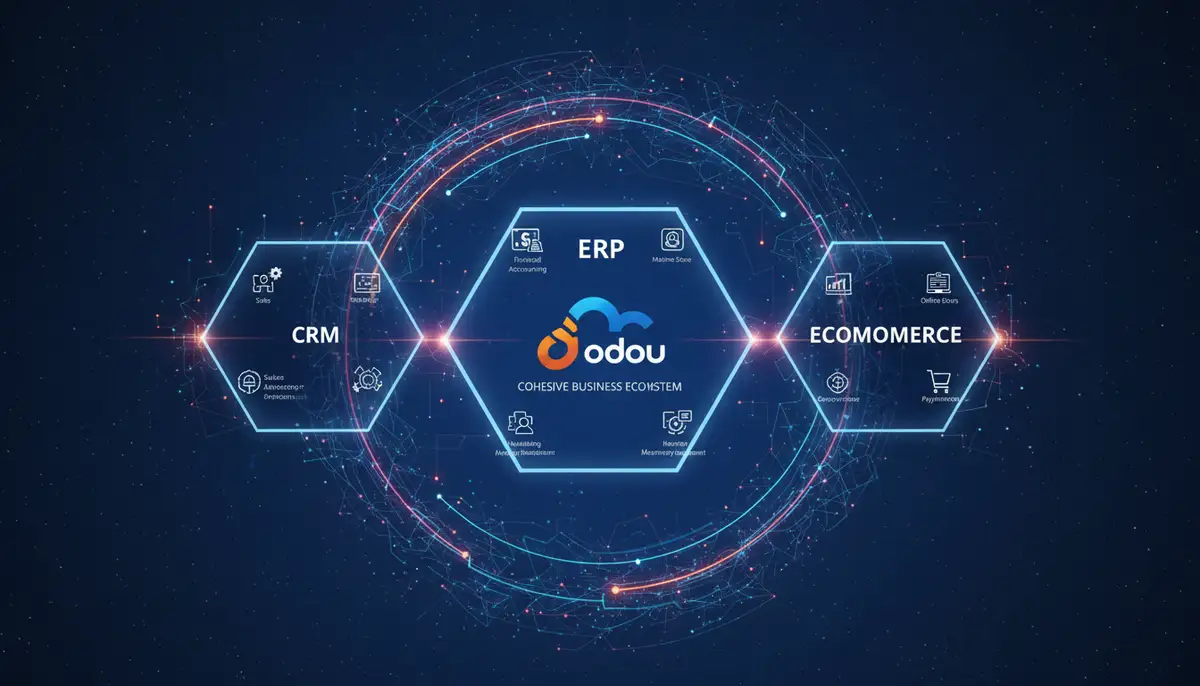
When discussing the best b2b ecommerce websites, Odoo consistently emerges as a strong contender. Its unique value proposition lies in its fully integrated suite of business applications. Unlike standalone ecommerce platforms, Odoo provides a unified system. This includes ERP, CRM, inventory, sales, purchasing, and, of course, a robust ecommerce module. This native integration eliminates the complexities and costs associated with connecting disparate systems. It ensures real-time data flow across all operations.
With Odoo, your B2B ecommerce site is not just a storefront. It’s an extension of your entire business operation. Inventory levels update automatically. Customer-specific pricing is applied instantly. Orders flow directly into your fulfillment process. This level of synchronization is difficult to achieve with fragmented solutions. It significantly boosts efficiency and accuracy. It also provides a seamless experience for your B2B customers. The platform is highly customizable, allowing businesses to tailor it precisely to their specific workflows and branding requirements. This flexibility is key for achieving the best b2b ecommerce websites.
Moreover, Odoo’s modular design means you can start with what you need. Then, you can add more functionalities as your business grows. This could include advanced manufacturing, project management, or even human resources. For example, understanding the benefits of hrms system becomes even clearer when it’s part of a unified Odoo ecosystem. This holistic approach empowers businesses to streamline operations end-to-end. It provides a single source of truth for all business data. This makes Odoo an excellent choice for businesses aiming for truly integrated and efficient digital operations.
When to Engage an Odoo Consultant for Your B2B Ecommerce Project
While Odoo offers incredible power, harnessing it effectively requires expertise. This is where an experienced Odoo consultant becomes invaluable. They bring a deep understanding of the platform. They also have extensive experience in business process optimization. Engaging a consultant early in your project can prevent costly mistakes. It ensures your B2B ecommerce solution is perfectly aligned with your strategic goals. As you consider building or enhancing your B2B online presence, watching analyses like
can provide valuable context on what makes top sites successful.
- You have complex B2B pricing structures or workflows.
- You need seamless integration with existing ERP, CRM, or legacy systems.
- Your team lacks the in-house expertise for Odoo implementation and customization.
- You require a strategic roadmap for digital transformation beyond just ecommerce.
- You want to ensure best practices are followed for scalability, security, and performance.
- You need ongoing support and optimization after launch.
Odiware specializes in Odoo ERP implementation and custom software solutions. We help businesses streamline operations and enhance productivity. We don’t just implement software. We partner with you to understand your unique business challenges. Then, we design and deploy solutions that drive real results. Our goal is to empower your business with the best b2b ecommerce websites tailored to your specific needs. We ensure a smooth transition and continuous improvement. We guide you toward a solution that truly serves your business objectives, moving you away from DIY dependency.
FAQs About the Best B2B Ecommerce Websites
What is the primary difference between B2B and B2C ecommerce?
B2B ecommerce involves transactions between businesses. It typically features complex pricing, bulk orders, and longer sales cycles. B2C ecommerce focuses on sales from businesses to individual consumers. It usually has simpler pricing and quicker transactions. The best b2b ecommerce websites are built to handle these specific business complexities.
How important is ERP integration for a B2B ecommerce site?
ERP integration is critical. It ensures real-time data synchronization across sales, inventory, accounting, and customer management. This automation reduces manual errors. It also improves operational efficiency. Without it, your ecommerce site operates in a silo. This limits its true potential for any of the best b2b ecommerce websites.
Can small businesses also benefit from a B2B ecommerce platform?
Absolutely. Even small B2B businesses can gain significant advantages. These include reaching a wider audience, automating order processing, and providing 24/7 service. Platforms like Odoo offer scalable solutions. These allow small businesses to start simple and expand functionality as they grow. This makes them accessible to businesses of all sizes.
What security features are critical for best b2b ecommerce websites?

Critical security features include SSL encryption for data protection. Robust user authentication and access controls are also vital. Regular security audits and compliance with industry standards are necessary. Payment gateway security and fraud detection systems protect transactions. These measures safeguard sensitive business data and build trust.
The journey to establishing one of the best b2b ecommerce websites is strategic. It requires careful planning, the right technology, and expert guidance. It’s about more than just selling online. It’s about transforming your business operations. It’s about enhancing customer relationships. By focusing on integration, user experience, and scalability, you can build a platform that truly drives growth. Don’t navigate this complex landscape alone. Partner with experts who understand both the technology and your business needs. If you’re ready to explore how Odoo can power your B2B ecommerce success, we invite you to Explore Odoo with Odiware or contact us for a personalized consultation. Let’s build your future-ready digital presence together.


