


Navigating Ecommerce Finance: Why the Right Accounting Software Matters
In today’s fast-paced digital marketplace, managing your ecommerce finances effectively is paramount. You need more than just basic bookkeeping. You need a robust system that can handle sales, inventory, payments, and taxes seamlessly. Finding the best accounting software for ecommerce business is not merely a preference; it is a critical strategic decision for sustained growth. Without the right tools, you risk inaccurate data, compliance issues, and missed opportunities. This guide helps you understand what truly makes the best accounting software for ecommerce business.
Ecommerce operations introduce unique complexities. You deal with multiple sales channels, diverse payment gateways, and intricate inventory movements. Traditional accounting methods often fall short. This complexity underscores the need for specialized solutions. As Odoo consultants at Odiware Technologies, we have seen firsthand the transformative impact of integrated systems. We help businesses like yours navigate these challenges, ensuring your financial backbone supports your ambitious growth plans.
The Core Challenges of Ecommerce Accounting
Before we dive into solutions, let’s identify the core accounting challenges specific to ecommerce. Understanding these pain points helps you appreciate why a specialized approach is necessary. Generic accounting software often struggles with these nuances, making it difficult to maintain accurate records and make informed decisions.
- Multi-channel Sales Reconciliation: Selling on Amazon, Shopify, and your own website means disparate data. Consolidating this information accurately is a major hurdle.
- Inventory Valuation and Cost of Goods Sold (COGS): Tracking inventory across multiple warehouses and sales points, then calculating COGS accurately, is complex. This directly impacts your profitability reporting.
- Payment Gateway Fees and Chargebacks: Each transaction involves fees from platforms like PayPal, Stripe, or Shopify Payments. Reconciling these fees and managing chargebacks adds layers of complexity.
- Sales Tax Compliance Across Jurisdictions: Depending on your customer’s location, you might need to collect and remit sales tax to various states or countries. This landscape is constantly changing.
- Returns and Refunds Management: Processing returns impacts inventory, revenue, and customer satisfaction. Accurate accounting for these transactions is vital.
- Subscription and Recurring Revenue Models: For businesses with subscription services, managing recurring billing and revenue recognition requires specific features.
These challenges highlight that the best accounting software for ecommerce business must offer more than just basic ledger functions. It needs to be an integrated solution that speaks the language of your online store.
Key Features to Look for in the Best Accounting Software for Ecommerce Business
When evaluating options, focus on features that directly address the unique demands of your online store. The ideal software should automate tedious tasks and provide clear financial insights. This is where the true value of the best accounting software for ecommerce business lies.
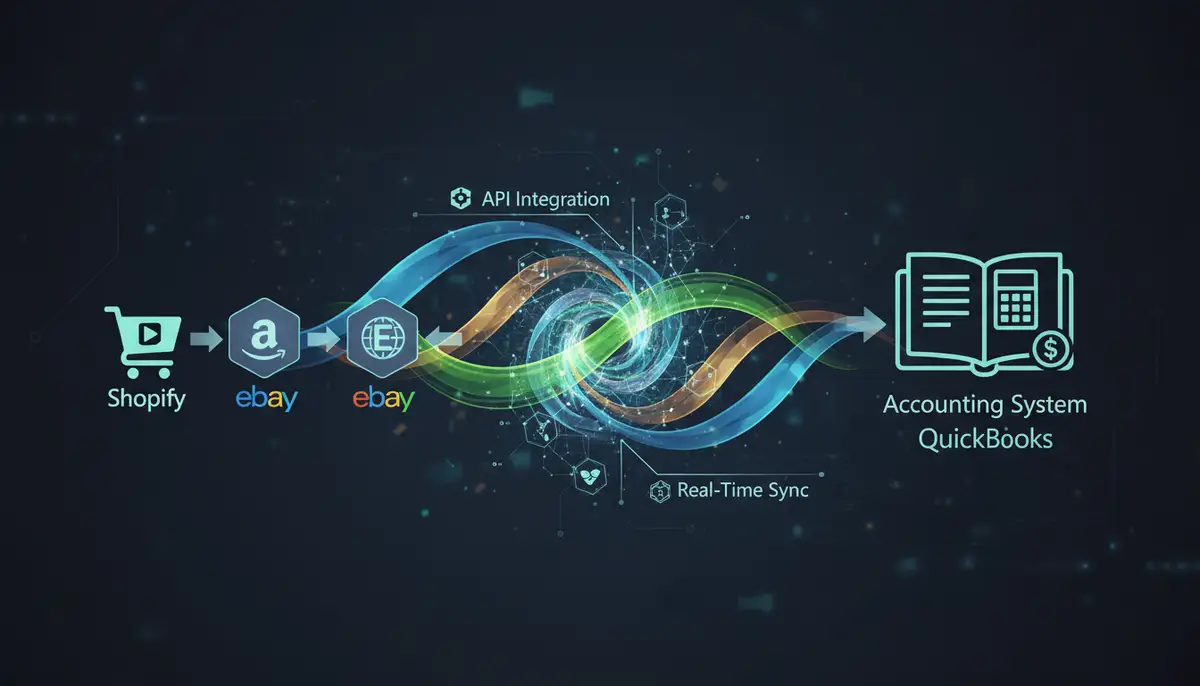
- Seamless Integration with Ecommerce Platforms: Your accounting system must connect effortlessly with Shopify, WooCommerce, Magento, Amazon, or other platforms. This prevents manual data entry errors and saves significant time.
- Automated Bank Feeds and Reconciliation: Automatic syncing with your bank accounts and credit cards streamlines reconciliation, ensuring your books always match your cash flow.
- Robust Inventory Management: Beyond just counting stock, the software should handle multiple warehouses, track product costs (e.g., FIFO, LIFO), and provide real-time inventory valuation. This is crucial for accurate COGS.
- Sales Tax Automation: Look for features that automatically calculate, collect, and report sales tax based on jurisdiction. This helps you stay compliant without constant manual oversight.
- Multi-currency and Multi-company Support: If you sell internationally or operate multiple entities, this functionality is non-negotiable.
- Detailed Reporting and Analytics: You need insights into profitability by product, channel, and customer segment. Customizable dashboards and reports are essential for strategic decision-making.
- Scalability: As your business grows, your accounting software must grow with you. It should handle increased transaction volumes and additional complexities without breaking down.
- Expense Tracking and Vendor Management: Efficiently manage all your business expenses and vendor payments. This provides a complete picture of your financial health.
Understanding Different Accounting Software Categories
The market offers a range of solutions, from standalone accounting tools to comprehensive ERP systems. Each has its strengths. Knowing these categories helps you pinpoint the best accounting software for ecommerce business that fits your specific needs.
- Cloud-Based Accounting Software: Solutions like QuickBooks Online and Xero are popular for their accessibility and ease of use. They offer good integration with many ecommerce platforms.
- ERP Systems (Enterprise Resource Planning): For larger or rapidly growing ecommerce businesses, an ERP like Odoo provides a fully integrated suite. It combines accounting with inventory, CRM, sales, marketing, and more.
- Specialized Ecommerce Accounting Solutions: Some platforms are built specifically for online sellers, often focusing heavily on sales tax and multi-channel reconciliation.
For a broader understanding of different professional accounting software features and differences, you can explore a comprehensive comparison of accounting software on Wikipedia. This resource highlights various options available in the market.
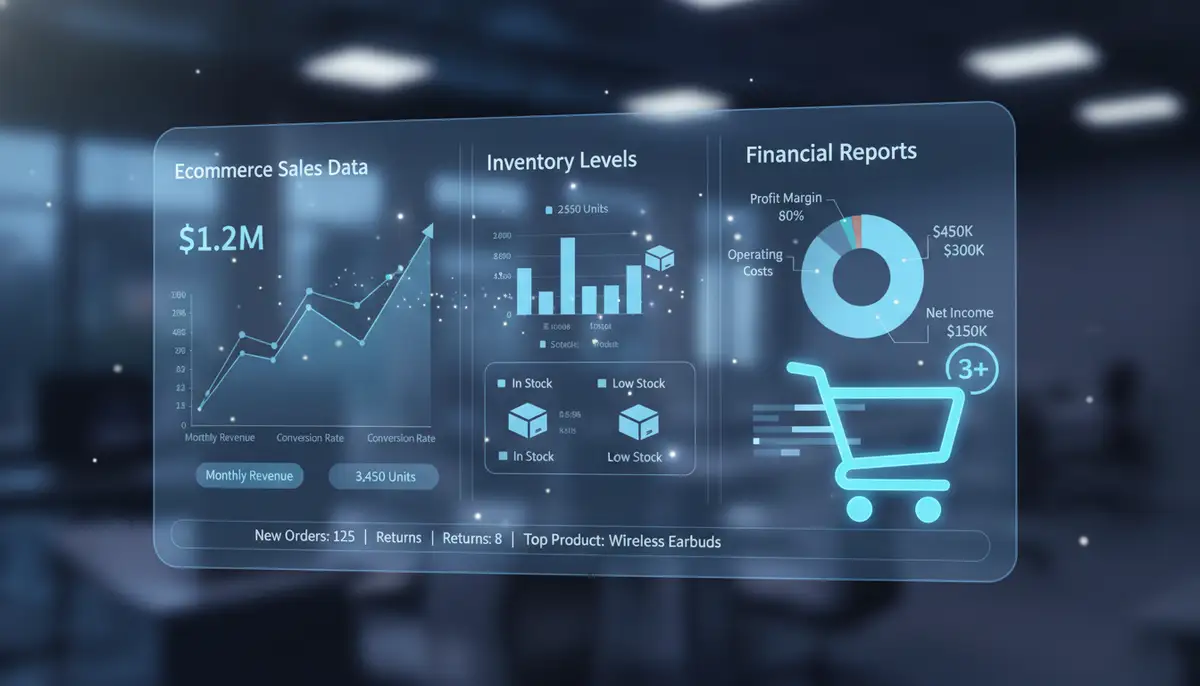
Popular Choices and Their Fit for Ecommerce
Several platforms stand out when discussing the best accounting software for ecommerce business. Let’s look at a few examples and how they typically serve online sellers.
QuickBooks is a widely recognized name, often considered the leading accounting software for small- and medium-sized businesses. It offers various versions, including desktop and online. For more insights into how it fits ecommerce, you can read about ecommerce accounting software options on ShipBob’s blog, which often highlights QuickBooks’ capabilities.
Xero also provides excellent cloud-based solutions. Many US-based online businesses find Xero’s ecommerce bookkeeping and accounting software puts them in control. It helps simplify running their operations. You can learn more about Xero’s offerings for ecommerce directly from their website.
However, for businesses seeking a truly unified system, an ERP like Odoo often proves superior. Odoo integrates accounting with every other aspect of your business. This includes sales, inventory, CRM, and even manufacturing. This holistic approach makes it a strong contender for the best accounting software for ecommerce business, especially as you scale.
Odoo: A Comprehensive Solution for Ecommerce Accounting
At Odiware Technologies, we specialize in Odoo ERP implementation. We believe it offers a compelling argument for being the best accounting software for ecommerce business, particularly for growing companies. Odoo’s modular design allows you to start with core accounting and expand as needed. Its integrated nature means your accounting data flows seamlessly from your sales orders, inventory movements, and customer interactions.
Consider this: when a customer places an order on your Shopify store, Odoo can automatically generate a sales order, update inventory levels, create an invoice, and record the payment. This reduces manual effort and minimizes errors. It provides real-time visibility into your financial health, which is invaluable for strategic planning. This level of automation and integration is what truly defines the best accounting software for ecommerce business.
- Unified Data: All your business data resides in one system, eliminating silos and ensuring consistency.
- Automated Workflows: From order to cash, many processes can be automated, freeing up your team for higher-value tasks.
- Advanced Reporting: Gain deep insights into profitability, cash flow, and financial performance with customizable reports.
- Scalability and Flexibility: Odoo grows with your business, allowing you to add modules and customize workflows as your needs evolve.
- Multi-company and Multi-currency Ready: Perfect for international expansion or managing diverse business units.
For small businesses looking to unlock growth, a detailed understanding of Odoo ERP for small business can provide further insights into its capabilities and benefits. It’s an investment that pays dividends in efficiency and accuracy.
Common Mistakes When Choosing Accounting Software
Selecting the best accounting software for ecommerce business can be daunting. Many businesses make common errors that lead to frustration and costly rework. Avoid these pitfalls to ensure a smoother transition and better long-term results.
- Underestimating Integration Needs: Assuming basic integrations will suffice is a mistake. Ensure deep, two-way synchronization with all your critical ecommerce platforms.
- Ignoring Scalability: Choosing software that works today but won’t support future growth can lead to expensive migrations later.
- Overlooking Customization Requirements: Your business is unique. Generic solutions might not fit perfectly. Consider software that allows for tailored workflows.
- Neglecting User Experience: If the software is difficult to use, your team won’t adopt it effectively, leading to errors and inefficiency.
- Failing to Plan for Implementation: A successful software deployment requires careful planning, data migration, and user training. Don’t underestimate this phase.
When to Involve an Odoo Consultant

While many businesses start with off-the-shelf solutions, there comes a point when expert guidance becomes invaluable. This is especially true when seeking the best accounting software for ecommerce business that truly aligns with your unique operations. If your current system is causing more headaches than it solves, it’s time to consider professional help.
You should involve an Odoo consultant like Odiware Technologies when you experience:
- Complex multi-channel operations that require sophisticated reconciliation.
- Significant inventory management challenges across multiple locations.
- A need for highly customized reporting and analytics.
- Plans for rapid growth or international expansion.
- Desire for a fully integrated ERP system that goes beyond just accounting.
- Frustration with manual data entry and recurring errors.
An experienced consultant helps you identify your specific requirements, map out optimal workflows, and ensure a smooth implementation. We ensure that the best accounting software for ecommerce business is not just installed but truly optimized for your success. We also offer ongoing support, allowing you to focus on your core business.
Choosing the right enterprise business software is a big decision. For a comprehensive guide on selecting best enterprise business software, you can refer to our detailed article on the topic. It provides an Odoo consultant’s perspective on making informed choices.
Best Practices for Implementing Your Ecommerce Accounting Software
Once you’ve identified the best accounting software for ecommerce business, successful implementation is key. Here are some best practices we advocate at Odiware Technologies:
- Clearly Define Your Requirements: Before starting, document all your current processes and pain points. Understand what you need the new system to achieve.
- Data Cleanliness: Ensure your existing financial and inventory data is accurate and clean before migration. ‘Garbage in, garbage out’ applies here.
- Phased Implementation: For complex systems like Odoo, consider a phased rollout. This allows your team to adapt gradually and minimizes disruption.
- Thorough Training: Invest in comprehensive training for all users. Proper training ensures adoption and maximizes the software’s benefits.
- Regular Review and Optimization: Accounting needs evolve. Regularly review your system’s performance and make adjustments as needed. This ensures you always have the best accounting software for ecommerce business.
You might find it useful to visually understand the nuances of various accounting and bookkeeping solutions. Here’s a helpful resource:
This video offers a practical overview that complements your decision-making process.
Comparing Integrated ERP vs. Standalone Solutions
When considering the best accounting software for ecommerce business, you often face a choice: a standalone accounting tool or a fully integrated ERP. Let’s compare the two approaches.
| Feature | Standalone Accounting Software | Integrated ERP (e.g., Odoo) |
|---|---|---|
| Integration | Relies on third-party connectors; potential for data silos. | Native, seamless integration across all business functions. |
| Data Consistency | Risk of discrepancies between systems. | Single source of truth for all data. |
| Scalability | May struggle with high transaction volumes or complex needs. | Designed to scale with business growth and complexity. |
| Reporting | Limited to financial data. | Comprehensive, cross-functional reports for holistic insights. |
| Automation | Automates basic accounting tasks. | Automates end-to-end business processes. |
| Cost (Initial) | Generally lower upfront cost. | Higher initial investment, but lower TCO long-term. |
As you can see, while standalone solutions might offer a lower entry point, the long-term benefits and efficiency gains of an integrated ERP often outweigh the initial investment. This is particularly true for businesses serious about finding the best accounting software for ecommerce business for sustainable growth.
When looking at the market, you’ll find various Odoo implementation partners. Companies like odooimplementers.com, cybrosys.com, and o2btechnologies.com also provide Odoo services. However, Odiware Technologies stands out with its tailored approach and deep understanding of specific business needs, ensuring your Odoo implementation is a perfect fit for your ecommerce operations.

Frequently Asked Questions (FAQs)
Q1: Can I use basic accounting software like Excel for my ecommerce business?
While possible for very small operations, Excel quickly becomes unmanageable. It lacks automation, integration, and robust reporting. You risk errors and compliance issues. For any serious ecommerce venture, dedicated accounting software is essential. It provides the structure and automation needed to scale.
Q2: How important is real-time inventory tracking for ecommerce accounting?
Real-time inventory tracking is incredibly important. It directly impacts your Cost of Goods Sold (COGS) and inventory valuation. Without it, your financial statements will be inaccurate. It also prevents overselling and helps optimize stock levels, directly affecting your profitability. The best accounting software for ecommerce business always includes robust inventory features.
Q3: What’s the biggest challenge with sales tax for ecommerce?
The biggest challenge is nexus. This refers to the connection between your business and a state that requires you to collect sales tax. Nexus rules vary by state and are complex. Automated sales tax solutions are crucial to ensure compliance across different jurisdictions. This is a key feature to look for in the best accounting software for ecommerce business.
Q4: How long does it take to implement new accounting software?
Implementation time varies greatly. Simple cloud-based solutions might take days or weeks. A comprehensive ERP like Odoo, with customizations and integrations, can take several months. The timeline depends on your business size, complexity, and the scope of the project. Proper planning and expert assistance can significantly streamline the process.
Q5: Is Odoo suitable for small ecommerce businesses?
Yes, Odoo is highly modular and scalable. Small businesses can start with essential modules like accounting and sales, then add more as they grow. This flexibility makes it an excellent long-term investment. It allows you to grow into a powerful, integrated solution without needing to switch software later. It is a strong contender for the best accounting software for ecommerce business at any stage.
Conclusion: Partnering for Your Ecommerce Financial Success
Choosing the best accounting software for ecommerce business is a strategic decision that impacts every facet of your operations. It’s not just about managing numbers; it’s about gaining clarity, driving efficiency, and fueling growth. While many options exist, an integrated ERP like Odoo often provides the most robust and scalable solution for modern online businesses.
At Odiware Technologies, we understand the unique demands of ecommerce. We partner with businesses to implement tailored Odoo solutions, ensuring your accounting system is a powerful asset, not a burden. Our expertise helps you streamline operations, gain actionable insights, and achieve your financial objectives. Don’t let outdated systems hold you back.
Ready to explore how a truly integrated accounting solution can transform your ecommerce business? Consider reaching out for a consultation. You can also Try Free Trial to experience Odoo firsthand. Let’s discuss your specific needs and chart a path toward optimized financial management.


