Introduction: Why HRMS Software is Essential in 2025
In today’s fast-evolving business landscape, managing human resources effectively is more complex than ever. Companies face challenges from talent acquisition to compliance and employee engagement. This is where Human Resources Management System (HRMS) software becomes indispensable. Understanding the profound benefits of HRMS software is crucial for any organization aiming for sustainable growth. It is not just about automating tasks; it’s about transforming your entire HR operation.
For businesses navigating the demands of 2025, an integrated HRMS solution like Odoo provides a strategic advantage. It centralizes all HR functions, making processes smoother and data more accessible. This comprehensive approach unlocks significant efficiencies and empowers your workforce. Let’s delve into the core benefits of HRMS software and why it’s a non-negotiable asset for modern enterprises.
The Core Benefits of HRMS Software: A Strategic Overview
Implementing HRMS software brings a multitude of advantages that extend beyond the HR department. It impacts operational efficiency, employee satisfaction, and strategic decision-making. We at Odiware Technologies have witnessed firsthand how businesses transform by leveraging these systems. The key is to understand how each benefit contributes to your overall business objectives.
1. Streamlined HR Operations and Automation
One of the most immediate and impactful benefits of HRMS software is the automation of routine HR tasks. Think about onboarding, payroll processing, or leave requests. Traditionally, these tasks consumed countless hours. An HRMS automates these processes, freeing up your HR team.
This automation reduces manual errors significantly. It also ensures consistency across all HR functions. Your HR professionals can then focus on strategic initiatives, like talent development or employee engagement. This shift from administrative to strategic work is a game-changer. It directly contributes to the overall benefits of HRMS software.
2. Centralized Data Management and Accessibility
Imagine all employee data – personal details, performance reviews, training records, payroll information – stored in one secure location. This is a fundamental benefit of HRMS software. A centralized database eliminates data silos and ensures that everyone works with the most current information. This improves data accuracy and reduces redundancy.
Accessibility is another critical factor. Authorized personnel can access necessary data quickly, from anywhere. This is particularly vital for hybrid or remote work models prevalent in 2025. Such systems help companies stay organized, manage employee processes, and centralize data, as highlighted in this overview of HRMS benefits.
3. Enhanced Employee Experience and Engagement
Modern employees expect self-service options and seamless digital interactions. HRMS software delivers this by providing employee self-service (ESS) portals. Employees can update personal information, request leave, view pay stubs, and access company policies independently. This empowers them and reduces the burden on HR.
A positive employee experience directly correlates with higher engagement and retention. When employees feel supported and can easily manage their HR-related tasks, their satisfaction increases. This is a significant, often underestimated, aspect of the benefits of HRMS software. Engaged employees are more productive and loyal.
4. Improved Compliance and Risk Mitigation

Navigating the complex landscape of labor laws, tax regulations, and industry-specific compliance standards is a constant challenge. An HRMS helps ensure your organization remains compliant. It automates reporting, tracks regulatory changes, and maintains accurate records. This significantly reduces the risk of penalties and legal issues.
For example, an HRMS can automatically flag potential compliance issues related to working hours or mandatory training. This proactive approach protects your business. The compliance aspect is among the most critical benefits of HRMS software, especially for businesses operating across multiple regions with varying regulations.
5. Strategic Talent Management and Development
Beyond basic administration, HRMS solutions are powerful tools for talent management. They support the entire employee lifecycle, from recruitment to offboarding. This includes applicant tracking, performance management, learning and development, and succession planning. These are all vital for building a strong workforce.
An HRMS allows you to identify skill gaps, track employee progress, and tailor training programs. It helps you nurture talent from within your organization. This strategic approach to human capital is a key differentiator. It highlights the long-term benefits of HRMS software in fostering a skilled and motivated workforce. You can find comprehensive details on how HRMS supports various functions like recruitment, training, and talent management in this resource from Oracle.
6. Enhanced Reporting and Analytics for Better Decision-Making
Data-driven decisions are the hallmark of successful businesses. HRMS software provides robust reporting and analytics capabilities. You can generate reports on everything from payroll costs and turnover rates to employee demographics and performance trends. These insights are invaluable.
These analytics help identify areas for improvement. They also support strategic planning for workforce allocation and talent acquisition. Understanding your HR data allows for proactive adjustments, optimizing your human capital. This analytical power is one of the most compelling benefits of HRMS software for executive leadership.
Odoo as Your HRMS Solution: What Odiware Brings to the Table
Odoo, a comprehensive suite of business management software, offers powerful HRMS modules. It integrates seamlessly with other Odoo applications, creating a unified platform. This integration is crucial for holistic business management. Odiware Technologies specializes in Odoo ERP implementation and custom software solutions. We help businesses like yours leverage the full potential of Odoo HRMS.
The benefits of Odoo extend far beyond just HR. It offers a complete ecosystem for your business. For a deeper understanding of its broader impact, consider exploring a comprehensive guide to the benefits of Odoo. This integrated approach provides unparalleled efficiency and data flow across departments, from sales to operations.
Key HRMS Modules in Odoo and Their Benefits
- Employee Directory: Centralized employee profiles, contact information, and organizational charts.
- Recruitment: Streamlined applicant tracking, interview scheduling, and offer management.
- Time Off Management: Automated leave requests, approvals, and tracking for various leave types.
- Appraisals: Performance review cycles, goal setting, and feedback mechanisms.
- Payroll: Automated salary processing, tax calculations, and pay slip generation (often with localization).
- Expenses: Easy submission and approval of employee expenses.
- Fleet Management: Managing company vehicles, allocations, and maintenance schedules.
- Referrals: Employee referral programs to incentivize talent acquisition.
Each module contributes to the overall benefits of HRMS software, making Odoo a robust choice for businesses of all sizes. Its modular nature means you can implement what you need, when you need it.
Common Mistakes to Avoid When Implementing HRMS Software
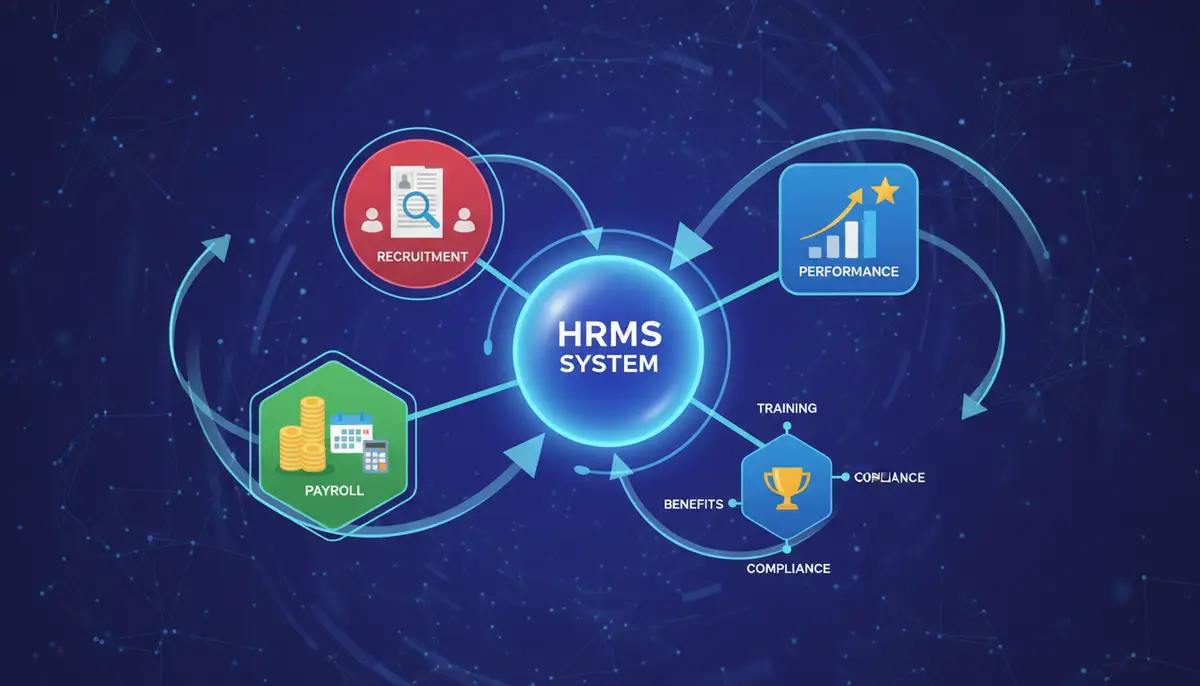
While the benefits of HRMS software are clear, successful implementation requires careful planning. Many companies make common mistakes that can hinder their success. Avoiding these pitfalls is crucial for maximizing your investment.
- Lack of Clear Objectives: Starting without a clear understanding of what you want to achieve from the HRMS.
- Insufficient Stakeholder Involvement: Failing to involve HR, IT, and end-users in the planning process.
- Poor Data Migration: Inaccurate or incomplete transfer of existing HR data to the new system.
- Inadequate Training: Not providing comprehensive training to all users, leading to low adoption rates.
- Ignoring Change Management: Underestimating the human aspect of change and not preparing employees for the new system.
- Choosing the Wrong Partner: Selecting an implementation partner without relevant experience or a deep understanding of your business needs.
These mistakes can lead to costly delays and suboptimal system utilization. A strategic approach, guided by experienced consultants, ensures you fully realize the benefits of HRMS software.
Best Practices for Maximizing the Benefits of HRMS Software
To truly unlock the potential of your HRMS, follow these best practices. They ensure a smooth transition and long-term success. These practices are built on years of experience in Odoo implementations.
- Define Your Requirements Clearly: Before selecting any software, document your specific HR processes and pain points.
- Prioritize User Experience: Choose a system that is intuitive and easy for employees and HR staff to use.
- Plan for Data Migration: Develop a detailed plan for cleaning, validating, and migrating your existing HR data.
- Invest in Training: Provide ongoing training and support to ensure all users are comfortable with the new system.
- Embrace Phased Implementation: Consider rolling out modules in phases to manage complexity and allow for adjustments.
- Regularly Review and Optimize: HR needs evolve; periodically review your HRMS usage and configure it to meet new demands.
- Partner with Experts: Work with an experienced Odoo consultant like Odiware Technologies for tailored implementation and support.
Adhering to these practices will help you fully capitalize on the benefits of HRMS software. It will ensure your investment yields maximum returns. HR software is a tool that drives success, not a replacement for human resource managers, as detailed in this explanation of HRMS.
When to Involve an Odoo Consultant for Your HRMS Implementation
While the benefits of HRMS software are compelling, implementing a new system can be complex. This is especially true for integrated platforms like Odoo. Knowing when to bring in an expert partner like Odiware Technologies can make all the difference. We guide you through every step, ensuring a successful transition.
You should consider involving an Odoo consultant when you need to: assess your current HR processes, customize Odoo HR modules to fit unique needs, integrate HRMS with other business systems, migrate large volumes of historical data, or require ongoing support and optimization. Companies like o2btechnologies.com, odooimplementers.com, and ksolves.com also offer Odoo services, but Odiware provides a tailored approach focused on your specific business outcomes.
An experienced consultant understands the nuances of Odoo. They can anticipate challenges and propose effective solutions. This expertise ensures that you fully realize the benefits of HRMS software without unnecessary headaches. We help you avoid common pitfalls and achieve your strategic objectives.
HRMS Impact on Cross-Departmental Efficiency
The influence of a robust HRMS extends beyond just HR. Consider how effective workforce management impacts other departments. For instance, in logistics, having the right staff with the correct training is paramount. An integrated HRMS ensures that staffing levels, training records, and performance data are readily available, directly impacting operational efficiency.
This seamless data flow is a core advantage of an ERP like Odoo. It means better planning for departments like warehouse management. For those looking to optimize their logistics, understanding the best software for warehouse management can provide additional insights into how integrated systems drive overall business performance.
| HR Function | Before HRMS | With HRMS |
|---|---|---|
| Onboarding | Manual paperwork, multiple signatures, delays | Automated workflows, digital forms, quick access to resources |
| Payroll | Error-prone manual calculations, time-consuming data entry | Automated processing, direct deposit, compliance checks |
| Leave Management | Paper forms, manual tracking, approval bottlenecks | Self-service portal, automated approvals, real-time balances |
| Performance Reviews | Infrequent, subjective, inconsistent tracking | Structured cycles, goal tracking, continuous feedback, data-driven insights |
| Data Reporting | Time-intensive manual data aggregation, limited insights | Instant reports, customizable dashboards, predictive analytics |

Frequently Asked Questions About the Benefits of HRMS Software
Q1: What is the primary difference between HRMS, HRIS, and HCM?
A1: While often used interchangeably, these terms have subtle differences. HRIS (Human Resources Information System) typically covers core HR functions like employee data, payroll, and benefits. HRMS (Human Resources Management System) builds on HRIS by adding workforce management capabilities, such as time and attendance, and performance management. HCM (Human Capital Management) is the broadest term, encompassing all HRMS features plus strategic talent management, like succession planning and global HR.
Q2: How quickly can we expect to see ROI from HRMS implementation?
A2: The return on investment (ROI) varies based on your organization’s size, complexity, and the scope of the HRMS implementation. However, many businesses report seeing initial ROI within 6-12 months. This comes from reduced administrative costs, fewer compliance errors, and improved employee productivity. Long-term benefits, like enhanced talent retention, continue to accrue over time. Maximizing the benefits of HRMS software requires a clear strategy.
Q3: Is HRMS software only for large enterprises?
A3: Absolutely not. While large enterprises certainly benefit, small and medium-sized businesses (SMBs) can also gain significant advantages. Scalable solutions like Odoo allow SMBs to implement only the modules they need. This makes HRMS accessible and cost-effective for growing companies. The benefits of HRMS software are universal, regardless of company size.
Q4: How does HRMS improve data security?
A4: Modern HRMS solutions employ robust security measures. These include encryption, access controls, and regular data backups. They also help maintain compliance with data privacy regulations like GDPR. Centralizing data reduces the risk of sensitive information being scattered across insecure spreadsheets or physical files. This makes data security one of the unspoken benefits of HRMS software.
Q5: Can HRMS software be customized for specific industry needs?
A5: Yes, absolutely. Platforms like Odoo are highly flexible and customizable. Odiware Technologies specializes in tailoring Odoo HRMS to meet the unique demands of various industries. This ensures the system aligns perfectly with your operational workflows and regulatory requirements. Customization maximizes the specific benefits of HRMS software for your niche.
Conclusion: Embrace the Future with Odoo HRMS
The benefits of HRMS software are undeniable for any business looking to thrive in 2025 and beyond. From streamlining operations and ensuring compliance to enhancing employee experience and driving strategic talent management, an HRMS is a foundational tool. It empowers your HR department to be a strategic partner, not just an administrative overhead.
Odiware Technologies has a proven track record of helping businesses unlock these advantages through expert Odoo implementation. We understand that every organization is unique. Our approach ensures your HRMS solution is perfectly aligned with your business goals. Realizing the full benefits of HRMS software requires a knowledgeable partner.
If you’re ready to transform your HR operations and empower your workforce, consider exploring a tailored Odoo HRMS solution. Let’s discuss how we can help you achieve your strategic objectives. Contact us today for a consultation.