


The Quest for the Best Cloud ERP Solution in 2025
In today’s fast-paced business world, choosing the right enterprise resource planning (ERP) system is crucial. Businesses are constantly seeking ways to optimize operations and drive growth. Many are now turning to cloud-based solutions. Finding the best cloud ERP solution can transform your entire organization. It helps streamline processes, improve data visibility, and enhance decision-making. But with so many options available, how do you make the right choice?
As Odoo consultants at Odiware Technologies, we see businesses grapple with this decision daily. The landscape of ERP software evolves rapidly. What was cutting-edge last year might be standard today. This guide will help you navigate the complexities of selecting the best cloud ERP solution for your specific needs, focusing on real-world impact and practical considerations for 2025.
Understanding Cloud ERP: More Than Just Software
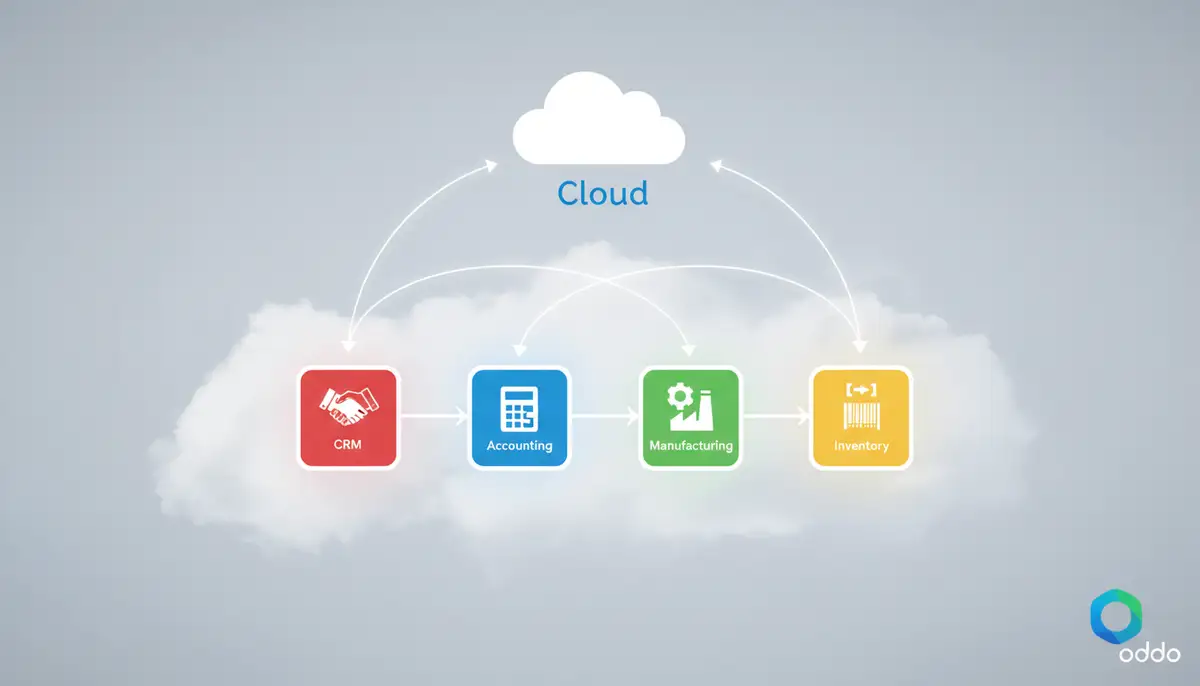
Before we dive into specific solutions, let’s clarify what cloud ERP truly means. It’s not just about hosting your software remotely. Cloud ERP delivers integrated business management applications over the internet. This means you access your system through a web browser, without needing to maintain expensive on-premise servers. This model offers flexibility, scalability, and often, a lower total cost of ownership.
The ‘cloud’ aspect brings significant advantages. It allows your teams to work from anywhere, access real-time data, and adapt quickly to market changes. For many businesses, a cloud-based approach is now essential. It underpins agility and competitive advantage. Identifying the best cloud ERP solution starts with understanding these core benefits.
Why Businesses Need the Best Cloud ERP Solution Now
The demands on businesses are greater than ever. Customers expect seamless experiences. Supply chains are increasingly complex. Data security is paramount. A robust cloud ERP system addresses these challenges head-on. It provides a unified platform for all your critical business functions. This includes finance, human resources, sales, manufacturing, and inventory management.
- Enhanced Efficiency: Automate routine tasks and eliminate manual data entry errors.
- Improved Data Visibility: Get a single, real-time view of your entire business operations.
- Scalability: Easily expand your system as your business grows, without major infrastructure investments.
- Cost Savings: Reduce IT infrastructure costs and shift from capital expenditure to operational expenditure.
- Better Decision-Making: Access accurate data and powerful analytics to make informed strategic choices.
- Remote Accessibility: Enable your workforce to operate effectively from any location, fostering flexibility.
- Increased Security: Benefit from the robust security measures and disaster recovery protocols of leading cloud providers.
These benefits are not just theoretical. They translate into tangible business outcomes. Companies that adopt the best cloud ERP solution often report significant improvements. They see higher productivity, reduced operational costs, and greater customer satisfaction. This directly impacts their bottom line.

Key Features to Look for in the Best Cloud ERP Solution
When evaluating potential systems, focus on features that directly support your business goals. The ideal solution should be comprehensive yet flexible. It must integrate seamlessly with your existing tools. Here are critical features to consider:
- Financial Management: Robust accounting, budgeting, forecasting, and reporting.
- Supply Chain Management (SCM): Inventory, purchasing, warehousing, and logistics.
- Customer Relationship Management (CRM): Sales, marketing automation, and customer service.
- Human Resources Management (HRM): Payroll, talent management, and employee self-service. For more detailed insights, explore the transformative benefits of HRMS software.
Additionally, look for strong analytics and reporting capabilities. These provide the insights you need to drive performance. Mobile accessibility is also non-negotiable in 2025. Your teams need to work effectively on the go. The best cloud ERP solution will offer a user-friendly mobile experience.
Odoo as a Contender for the Best Cloud ERP Solution
At Odiware, we frequently recommend Odoo as a leading cloud ERP solution. Odoo stands out for its modularity and comprehensive suite of business applications. It offers a unique blend of open-source flexibility and enterprise-grade functionality. This makes it suitable for a wide range of industries and business sizes. Whether you are a small startup or a large enterprise, Odoo can adapt to your needs.
Odoo’s integrated approach means all your departments work from a single source of truth. This eliminates data silos and improves communication. Its user-friendly interface reduces training time and boosts user adoption. Many of our clients find Odoo offers a compelling value proposition when seeking the best cloud ERP solution. Companies like Cybrosys, Ksolves, and OdooImplementers also offer services around similar ERPs, but Odoo’s unique open-source model provides unparalleled customization opportunities.
Choosing the Best Cloud ERP Solution: A Strategic Approach
Selecting an ERP system is a significant investment. It requires careful planning and a clear understanding of your business processes. Here’s a strategic approach to help you find the best cloud ERP solution:
- Define Your Requirements: Clearly outline your current pain points and future business goals. What specific problems do you need the ERP to solve?
- Assess Your Budget: Understand the total cost of ownership, including licensing, implementation, training, and ongoing support.
- Evaluate Vendor Reputation: Look for vendors with a proven track record and strong customer support. Check reviews and case studies.
- Consider Scalability and Flexibility: Ensure the system can grow with your business and adapt to changing requirements.
- Prioritize User Experience: A user-friendly interface drives adoption and minimizes resistance from employees.
- Data Migration Strategy: Plan how you will transfer existing data to the new system. This step is critical for a smooth transition.
Remember, the ‘best’ solution is subjective. It depends entirely on your unique operational context. For some, a solution like Oracle Fusion Cloud ERP might be ideal, as detailed in comprehensive cloud ERP reviews. For others, the flexibility of Odoo makes it the best cloud ERP solution.
Common Mistakes to Avoid When Implementing Cloud ERP
Even with the best cloud ERP solution, implementation can be challenging. Avoiding common pitfalls ensures a smoother rollout and better ROI. Here are some mistakes we often see:
- Lack of Clear Objectives: Without defined goals, it’s hard to measure success or configure the system effectively.
- Insufficient User Training: Employees need proper training to utilize the new system to its full potential.
- Ignoring Change Management: Resistance to change is natural. A robust change management strategy is essential.
- Poor Data Migration: Inaccurate or incomplete data transfer can cripple your new system from day one.
- Over-Customization: While customization is powerful, too much can lead to complex systems that are hard to maintain and upgrade.
- Underestimating Support Needs: Ongoing support and maintenance are crucial for long-term success.
These mistakes can derail even the most promising ERP projects. A proactive approach, coupled with expert guidance, can mitigate these risks. This is where an experienced partner like Odiware becomes invaluable in helping you implement the best cloud ERP solution.
The Role of an Odoo Consultant in Your ERP Journey
Implementing the best cloud ERP solution, especially one as versatile as Odoo, requires specialized expertise. This is where Odiware Technologies excels. Our team of Odoo consultants brings deep technical knowledge and extensive business experience. We don’t just install software; we partner with you to understand your unique challenges and opportunities.
We guide you through every phase of the project. This includes initial discovery and requirements gathering. We handle system configuration, data migration, and comprehensive user training. Our goal is to ensure your Odoo implementation aligns perfectly with your strategic objectives. We help you unlock the full potential of your investment. We ensure Odoo truly becomes the best cloud ERP solution for your business.
Consider this table outlining key areas where Odiware’s consulting services add significant value:
| Service Area | Odiware’s Value Proposition |
|---|---|
| Requirements Analysis | Translating complex business needs into clear ERP functionalities. |
| System Configuration | Optimizing Odoo modules to fit your specific workflows. |
| Custom Development | Building bespoke features and integrations when standard Odoo isn’t enough. |
| Data Migration | Ensuring accurate and secure transfer of historical data. |
| User Training & Adoption | Empowering your team to effectively use the new system. |
| Post-Implementation Support | Providing ongoing assistance and continuous improvement. |

Best Practices for Maximizing Your Cloud ERP Investment
Once you’ve chosen and implemented the best cloud ERP solution, the work isn’t over. Continuous improvement and adherence to best practices ensure you get the most out of your investment. This proactive approach helps your business stay competitive.
- Regular Reviews: Periodically assess your ERP’s performance and alignment with business goals.
- Stay Updated: Leverage new features and updates from your ERP vendor to enhance functionality.
- Continuous Training: Provide ongoing training for new hires and refreshers for existing users.
- Data Governance: Implement strong data governance policies to maintain data quality and integrity.
- Monitor KPIs: Track key performance indicators to measure the impact of your ERP system.
- Seek Expert Advice: Don’t hesitate to consult with your ERP partner for optimization or new challenges.
By following these practices, your cloud ERP system will remain a powerful tool for growth. It will continue to adapt to your evolving business landscape. This strategic mindset ensures your chosen solution remains the best cloud ERP solution for years to come.
Comparing Leading Cloud ERP Solutions: What the Experts Say
The market offers many strong contenders for the best cloud ERP solution. Each has its strengths and ideal use cases. For example, some businesses might consider a solution like Microsoft Dynamics 365 Business Central, often cited among leading cloud ERP software options. Others may find that highly customizable cloud ERP solutions like Acumatica ERP better fit their specific industry needs.
While these are excellent systems, Odoo often provides a more integrated and cost-effective approach for many businesses. Its open-source nature allows for unparalleled customization. This flexibility is crucial for companies with unique operational requirements. When you are looking for the best cloud ERP solution, a thorough comparison is always necessary. We help clients understand these differences and choose wisely.
FAQs About the Best Cloud ERP Solution
- Q: How long does it take to implement a cloud ERP solution? A: Implementation timelines vary significantly. They depend on your business size, complexity, and the level of customization required. A typical Odoo implementation can range from a few weeks for basic setups to several months for complex enterprise deployments. Proper planning with an experienced consultant can streamline this process.
- Q: Is cloud ERP secure? A: Yes, generally, cloud ERP solutions offer robust security. Leading providers invest heavily in data protection, encryption, and compliance. They often have more advanced security measures than many on-premise setups. Always choose a reputable vendor and partner.
- Q: Can a small business benefit from the best cloud ERP solution? A: Absolutely. Cloud ERP is highly scalable. Many solutions, including Odoo, offer modules and pricing tiers suitable for small businesses. It helps them compete with larger enterprises by automating processes and improving efficiency. For a deeper dive, read our expert guide on ERP for small businesses.
- Q: What is the difference between SaaS ERP and Cloud ERP? A: SaaS (Software as a Service) is a specific delivery model for cloud ERP. In a SaaS model, the software is centrally hosted and licensed on a subscription basis. Cloud ERP is a broader term encompassing any ERP hosted in the cloud, which could include IaaS (Infrastructure as a Service) or PaaS (Platform as a Service) deployments as well. Most modern cloud ERP solutions are SaaS.
- Q: How do I ensure user adoption for my new cloud ERP? A: User adoption is critical. Focus on comprehensive training, clear communication about the benefits, and involving key users early in the process. A user-friendly interface like Odoo’s also helps. Ongoing support and addressing user feedback are also vital.
Ready to Find Your Best Cloud ERP Solution?

Choosing the best cloud ERP solution is a journey, not a destination. It requires careful consideration, strategic planning, and often, expert guidance. The right system can empower your business to achieve new levels of efficiency and growth. It will position you strongly for the future. Odoo, with its comprehensive features and flexible architecture, stands out as a top contender for many businesses seeking the best cloud ERP solution.
At Odiware Technologies, we specialize in Odoo ERP implementation and custom software solutions. We help businesses like yours streamline operations and enhance productivity. Our consultants are here to help you navigate the complexities of ERP selection and implementation. We ensure you make an informed decision. Don’t embark on this critical journey alone. Let us be your trusted partner.
If you’re ready to explore how Odoo can transform your business, or if you simply need expert advice on finding the best cloud ERP solution, we invite you to Contact us. We are here to help you build a robust and future-proof enterprise system.

