


Introduction: Why the Best ERP for Startup Matters
Starting a business is exciting. You have innovative ideas and a drive to succeed. However, rapid growth also brings complexity. Managing operations, finances, and customer relationships can quickly become overwhelming. This is where an Enterprise Resource Planning (ERP) system becomes crucial. Finding the best ERP for startup success is not just about technology. It’s about laying a strong foundation for future expansion. In 2025, startups face unique challenges and opportunities. Choosing the right ERP system early on can be a game-changer. It ensures your business can scale efficiently and avoid common pitfalls.
Many startups mistakenly think ERPs are only for large corporations. This is a costly misconception. A well-chosen ERP solution helps you streamline processes from day one. It gives you a single source of truth for all your business data. This article will guide you through selecting the best ERP for startup needs. We will explore key considerations and highlight why Odoo stands out as a top choice. Odiware Technologies specializes in Odoo ERP implementation. We help businesses like yours achieve operational excellence.
The Unique Challenges Startups Face
Startups operate in a dynamic environment. They often have limited budgets and lean teams. Yet, they aim for aggressive growth. This combination creates specific challenges. Without proper systems, these challenges can hinder progress. Understanding these hurdles is the first step. It helps you identify what the best ERP for startup truly needs to address.
- Rapid growth and scaling operations: Managing increasing orders, customers, and inventory quickly becomes complex.
- Limited resources and budget constraints: Every dollar must deliver maximum value.
- Need for agility and quick adaptation: Startups must pivot fast to market changes.
- Lack of established processes: New businesses often build processes on the fly, leading to inefficiencies.
- Data silos and disconnected systems: Using multiple disparate tools creates data fragmentation.
- Compliance and reporting requirements: Meeting legal and financial obligations can be challenging without integrated tools.
What Makes the Best ERP for Startup? Key Criteria
When evaluating ERP systems, several factors are critical for startups. The best ERP for startup will align with your current needs. It must also support your future growth. Here are the essential criteria to consider.
Scalability and Flexibility
Your startup will grow. Your ERP system must grow with you. It should handle increasing transaction volumes and user counts. Look for a system that offers modularity. This allows you to add features as your business expands. A flexible ERP can adapt to changing business models. It supports new product lines or service offerings. This ensures your investment today remains relevant tomorrow. Many leading ERP systems for small businesses prioritize this, as highlighted by insights on ERP for small business.
Cost-Effectiveness and ROI

Budget is always a concern for startups. The best ERP for startup offers a clear return on investment (ROI). Consider not just the upfront licensing costs. Also, factor in implementation, training, and ongoing maintenance. Cloud-based solutions often have lower initial costs. They operate on a subscription model. This helps manage cash flow. Look for solutions that provide significant operational efficiencies. These savings can quickly justify the investment.
Ease of Use and Implementation
Your team needs to adopt the new system quickly. A complex ERP can lead to frustration and resistance. Choose a system with an intuitive user interface. It should be easy to learn and navigate. The implementation process itself should be manageable. Look for systems with good documentation and community support. This reduces the burden on your internal team. It also speeds up the time to value.
Comprehensive Feature Set
The best ERP for startup integrates core business functions. This includes accounting, sales, inventory, and CRM. Having all these modules in one system eliminates data silos. It provides a holistic view of your business. This integration improves decision-making. It also reduces manual data entry and errors. For businesses with an online presence, integrating with an ERP is key. You might also want to explore insights into the best accounting software for ecommerce businesses for specific needs.
Cloud-Native Architecture
Cloud ERP solutions are ideal for startups. They offer accessibility from anywhere, anytime. This supports remote workforces and distributed teams. Cloud solutions also reduce IT infrastructure costs. You don’t need to buy and maintain expensive servers. Updates and security patches are handled by the vendor. This frees up your team to focus on core business activities. For a deeper dive, check out our expert guide on choosing the best ERP cloud software.
Odoo: A Strong Contender for the Best ERP for Startup
When considering the best ERP for startup needs, Odoo frequently emerges as a top choice. Odoo is an open-source suite of business management software. It offers a wide range of applications. These include CRM, e-commerce, accounting, manufacturing, inventory, and project management. Its modular design makes it incredibly flexible. You can start with essential apps and add more as your business evolves.
Odoo’s open-source nature means a large and active community. This community contributes to its development and offers support. For startups, this translates to lower licensing costs. It also means access to a vast ecosystem of third-party apps and integrations. The platform is known for its user-friendly interface. This makes adoption easier for your team. Many ERP systems tailored for startups, like those reviewed by ERP Advisors Group, highlight flexibility and scalability, areas where Odoo excels.
| Odoo Feature | Startup Benefit |
|---|---|
| Modular Applications | Start small, scale up as needed, only pay for what you use. |
| Open Source | Reduced licensing costs, large community support, customization flexibility. |
| User-Friendly Interface | Faster user adoption, less training required, intuitive navigation. |
| Integrated Suite | Eliminates data silos, provides a 360-degree view of your business. |
| Cloud Deployment Options | Accessibility, lower IT infrastructure costs, automatic updates. |

Companies like serpentcs.com, cybrosys.com, and o2btechnologies.com also offer ERP solutions and services. However, Odoo’s unique blend of open-source flexibility, comprehensive features, and cost-effectiveness makes it particularly attractive for startups. It provides a robust platform without the prohibitive costs often associated with proprietary systems. This positions Odoo as a strong candidate for the best ERP for startup growth.
Common Mistakes When Choosing the Best ERP for Startup
Even with the best intentions, startups can make missteps. These errors can derail your ERP implementation. They can lead to wasted resources and missed opportunities. Avoid these common pitfalls when selecting the best ERP for startup needs.
- Overspending on unnecessary features: Don’t get swayed by advanced functionalities you won’t use immediately.
- Underestimating implementation complexity: ERP setup requires planning, configuration, and data migration.
- Ignoring scalability: Choosing a system that cannot grow with your business is a short-sighted mistake.
- Failing to involve key stakeholders: User adoption is critical; involve your team from the start.
- Not defining clear requirements: Without a clear understanding of your needs, you can’t choose the right system.
- Opting for a ‘DIY’ approach without expertise: While tempting, this often leads to errors and delays.
Best Practices for Implementing Your Startup ERP
Choosing the best ERP for startup is only half the battle. Successful implementation is equally important. Follow these best practices to ensure a smooth transition and maximize your investment.
Define Clear Requirements
Before you even look at software, understand your business processes. Document your current workflows. Identify pain points and desired outcomes. What problems do you want the ERP to solve? This clarity helps you select a system that truly fits. It also guides the implementation process.
Phased Approach
Don’t try to implement everything at once. Start with the most critical modules. For example, begin with accounting and sales. Once these are stable, introduce inventory or CRM. A phased approach reduces risk. It allows your team to adapt gradually. This ensures better user adoption and minimizes disruption.
Prioritize User Adoption

Even the best ERP for startup will fail if users don’t embrace it. Provide adequate training. Communicate the benefits to your team. Show them how the new system makes their jobs easier. Address concerns and gather feedback. A smooth user experience is vital for long-term success.
Partner with Experts
Implementing an ERP system is complex. It requires specialized knowledge. Partnering with an experienced Odoo consultant is highly recommended. Experts can guide you through selection, customization, and deployment. They help avoid common mistakes and ensure best practices. This partnership is especially valuable for startups with limited internal IT resources. For a visual overview of various options, you might find this video helpful:
. Additionally, comprehensive reviews of startup ERP solutions can be found on platforms like OMR.com.
When to Involve an Odoo Consultant
While Odoo is user-friendly, its full potential often requires expert guidance. As Odiware Technologies, we have extensive experience in Odoo ERP implementation. We understand the nuances of startup environments. You should consider involving an Odoo consultant if:
- Your business processes are unique or complex and require custom workflows.
- You need seamless integration with existing third-party applications.
- Data migration from legacy systems is a significant challenge.
- You lack internal resources or expertise for project management and configuration.
- You want to optimize Odoo for specific industry best practices.
- You need ongoing support, maintenance, and future upgrades.
An Odoo consultant helps you tailor the system to your exact needs. They ensure you leverage all the powerful features. This expertise saves you time and money in the long run. It helps you truly harness the power of the best ERP for startup growth.
FAQs: Finding the Best ERP for Startup
- Q: How much does the best ERP for startup typically cost? A: Costs vary widely. Cloud-based solutions like Odoo often have subscription models, starting from a few hundred dollars per month for basic features, scaling up with more users and modules. Implementation costs are separate.
- Q: Can a startup really afford an ERP system? A: Yes. Modern ERPs, especially Odoo, are designed to be scalable and cost-effective. The ROI from increased efficiency and reduced errors often outweighs the investment. It’s about smart spending, not just spending less.
- Q: How long does it take to implement the best ERP for startup? A: Implementation time depends on complexity and scope. A basic Odoo setup can take a few weeks. More complex projects with extensive customization or data migration might take several months. A phased approach can speed up initial go-live.
- Q: What if my startup changes direction? Can the ERP adapt? A: This is why flexibility and scalability are key. Odoo’s modular architecture allows you to enable or disable apps as your business evolves. An experienced consultant can help reconfigure the system to match new strategies.
- Q: Is Odoo truly the best ERP for startup companies in all industries? A: Odoo is highly versatile. It suits many industries, including retail, services, manufacturing, and e-commerce. Its modularity and customization options make it adaptable. However, specific industry needs might require tailored solutions and expert configuration.
Conclusion: Your Path to the Best ERP for Startup Success
Choosing the best ERP for startup success is a critical strategic decision. It sets the stage for your company’s future growth and efficiency. By focusing on scalability, cost-effectiveness, ease of use, and comprehensive features, you can make an informed choice. Odoo stands out as a powerful, flexible, and affordable solution. It empowers startups to streamline operations and achieve their goals.
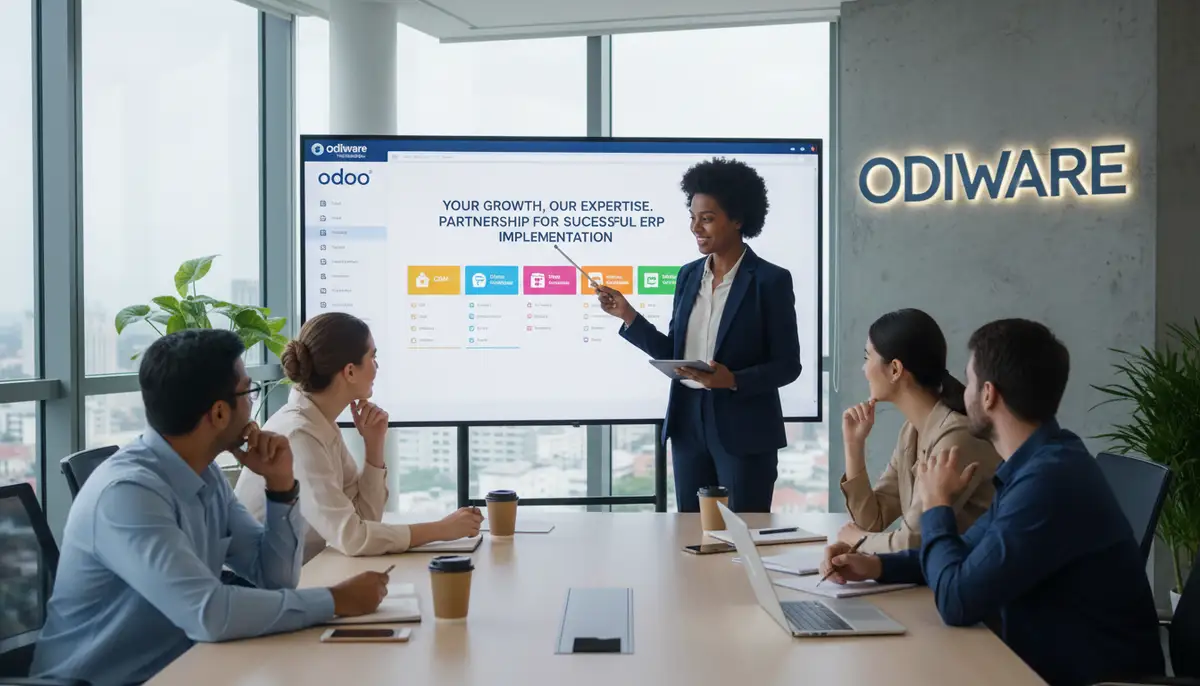
Don’t let the complexity of ERP implementation deter you. Partner with experts who understand your unique challenges. At Odiware Technologies, we help startups implement Odoo ERP solutions that fit their exact needs. We ensure a smooth transition and provide ongoing support. This allows you to focus on what you do best: growing your business. Ready to find the best ERP for startup success and build a robust foundation? Contact us today for a consultation.


