


Introduction: Why Your Business Needs an HRMS in 2025
In today’s fast-paced business world, managing human resources effectively is crucial. Manual HR processes often lead to inefficiencies and errors. This is where a Human Resources Management System (HRMS) becomes indispensable. Understanding the true benefits of HRMS system can transform your operations. It moves your HR department from administrative tasks to strategic contributions. For businesses looking to thrive, an HRMS is no longer a luxury, but a necessity.
An HRMS integrates various HR functions into a single platform. It streamlines everything from recruitment to retirement. This comprehensive approach helps businesses of all sizes. It ensures your most valuable asset—your people—are managed efficiently. At Odiware Technologies, we see firsthand how a well-implemented Odoo HRMS solution empowers our clients. It helps them unlock significant operational advantages.
What Exactly is an HRMS System?
Before diving into the benefits, let’s clarify what an HRMS is. An HRMS is a suite of software applications. It manages and automates core human resources functions. These functions include payroll, benefits administration, talent management, and time tracking. It centralizes employee data, making it easily accessible and secure. Essentially, it’s a digital hub for all your HR needs. You can learn more about how HRMS software solutions optimize various aspects of HR, including performance and talent management, by visiting SAP’s comprehensive guide.
Many businesses confuse HRMS with HRIS (Human Resources Information System) or HCM (Human Capital Management). While related, they have distinct scopes. HRIS typically focuses on data management and basic HR processes. HRMS expands on this, adding talent management capabilities like performance reviews and learning. HCM offers the broadest scope, including strategic workforce planning. For most businesses, an HRMS provides a powerful and practical solution.
The Core Benefits of HRMS System for Business Growth
Implementing an HRMS brings a multitude of advantages. These benefits directly impact your bottom line and employee satisfaction. Let’s explore the key benefits of HRMS system that drive business growth and efficiency.
1. Streamlined HR Operations and Automation
One of the most immediate benefits of HRMS system is automation. It takes over repetitive, time-consuming tasks. Think about onboarding new employees, processing payroll, or managing time-off requests. An HRMS handles these with precision. This frees up your HR team. They can then focus on more strategic initiatives. This includes employee development and talent retention. The best HR systems will streamline working processes and reduce the pressure of day-to-day tasks, as highlighted by Ciphr’s insights on HR software benefits.
- Automated payroll processing, reducing errors and saving time.
- Self-service portals for employees to manage their data, requests, and benefits.
- Digital onboarding workflows, ensuring compliance and a smooth new-hire experience.
- Automated time and attendance tracking, improving accuracy.
2. Centralized Employee Data and Enhanced Accessibility
Imagine all employee information in one secure location. This is a core benefit of an HRMS. No more searching through filing cabinets or disparate spreadsheets. An HRMS provides a single source of truth. HR staff, managers, and employees can access relevant information quickly. This improves decision-making and reduces administrative overhead. Staying organized and centralizing data are major advantages, as detailed in Appvizer’s article on Human Resource Management System benefits.
- Instant access to employee records, contact details, and performance history.
- Improved data accuracy and consistency across all HR functions.
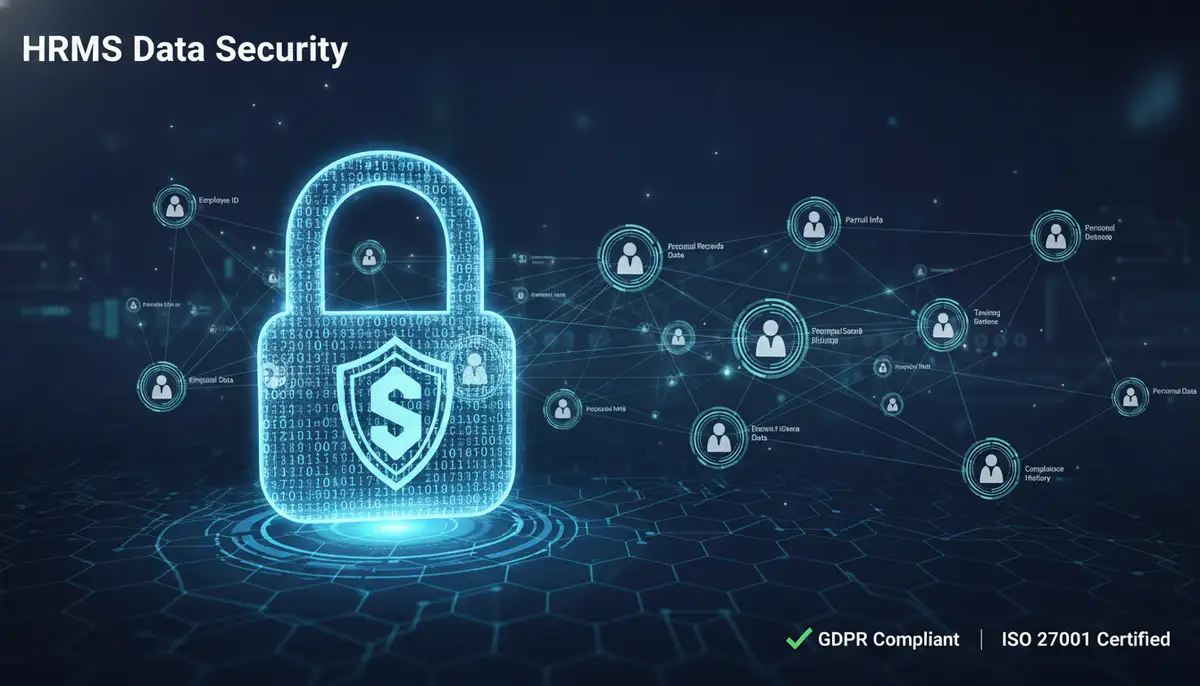
- Enhanced security measures to protect sensitive employee information.
- Easier compliance reporting with readily available data.
3. Improved Talent Management and Employee Engagement
Attracting and retaining top talent is a constant challenge. An HRMS provides tools to manage the entire employee lifecycle. From recruitment to performance management, it helps nurture your workforce. This leads to higher employee satisfaction and lower turnover rates. These are significant benefits of HRMS system that impact your company culture and productivity.
- Streamlined recruitment processes, from applicant tracking to offer letters.
- Robust performance management tools for goal setting, reviews, and feedback.
- Learning and development modules to foster continuous growth.
- Succession planning capabilities to identify and develop future leaders.
4. Enhanced Compliance and Risk Mitigation
Navigating complex labor laws and regulations is a major HR challenge. An HRMS helps ensure your business remains compliant. It keeps track of changing regulations and maintains accurate records. This significantly reduces the risk of legal penalties. It also avoids costly audits. This critical aspect highlights another of the key benefits of HRMS system.
- Automated tracking of regulatory requirements and policy updates.
- Secure storage of compliance documents and employee certifications.
- Simplified generation of reports for audits and government filings.
- Consistent application of HR policies across the organization.
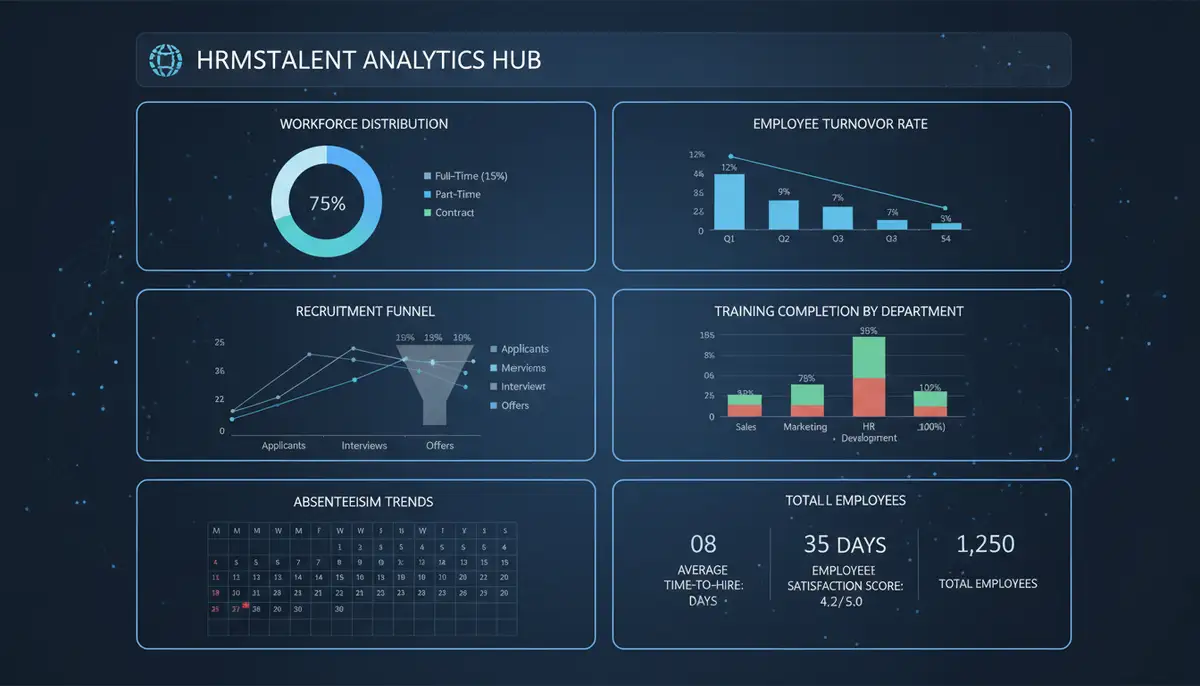
5. Data-Driven Decision Making
An HRMS collects vast amounts of employee data. It then turns this data into actionable insights. HR analytics tools within the system provide valuable reports. You can analyze turnover rates, recruitment costs, or employee performance trends. This empowers leaders to make informed decisions. These decisions can optimize workforce planning and improve HR strategies. Understanding these analytical benefits of HRMS system is vital for strategic planning.

- Real-time dashboards providing an overview of key HR metrics.
- Predictive analytics to forecast workforce needs and potential turnover.
- Customizable reports for detailed analysis of HR operations.
- Insights into employee engagement and satisfaction levels.
Common Mistakes to Avoid During HRMS Implementation
While the benefits of HRMS system are clear, a smooth implementation is not guaranteed. Many businesses encounter pitfalls. Avoiding these common mistakes ensures a successful HRMS rollout. It maximizes your return on investment.
- Lack of clear objectives: Without defined goals, your implementation can lose direction.
- Insufficient stakeholder involvement: Failing to get buy-in from HR, IT, and employees can lead to resistance.
- Poor data migration: Incorrect or incomplete data transfer can cripple the system’s effectiveness.
- Inadequate training: Employees need proper training to fully utilize the new system.
- Ignoring change management: A new system requires cultural adaptation, not just technical installation.
Best Practices for Maximizing the Benefits of HRMS System
To truly capitalize on the benefits of HRMS system, adopt these best practices. They will ensure your system works for you, not against you.
- Define clear project scope and goals: Know what you want to achieve before you start.
- Involve key users from the beginning: Their input is invaluable for system design and adoption.
- Prioritize data quality: Clean and accurate data is the foundation of any effective HRMS.
- Invest in comprehensive training: Empower your team to use the system efficiently.
- Establish a dedicated change management strategy: Guide your employees through the transition.
- Partner with an experienced Odoo ERP development company for expert guidance and support.
When to Involve an Odoo Consultant for Your HRMS
While the benefits of HRMS system are compelling, implementing one is a significant undertaking. This is especially true for complex organizations or those with unique HR needs. Knowing when to bring in an expert Odoo consultant can make all the difference. Companies like Odiware Technologies specialize in ensuring a seamless transition and optimal system configuration.
You should consider a consultant if you face challenges such as: complex integration requirements with existing systems, specific industry compliance needs, or a desire for custom functionalities. An Odoo consultant provides tailored solutions. They help you avoid common pitfalls. They also ensure you maximize all the benefits of HRMS system. For a strategic guide to Odoo ERP development, explore our detailed article.
| Scenario | Consultant Involvement Recommended |
|---|---|
| Basic HR functions, small team | No (DIY possible) |
| Complex payroll, multiple entities | Yes (Highly Recommended) |
| Need for custom modules/integrations | Yes (Essential) |
| Limited internal IT resources | Yes (Beneficial) |
| Rapid growth/scalability needs | Yes (Proactive) |
| Migrating from legacy systems | Yes (Crucial) |

When considering an Odoo HRMS, you might also look at other market leaders or specialized providers. Companies like odooimplementers.com, serpentcs.com, and cybrosys.com offer various Odoo services. However, a local partner like Odiware Technologies often provides a more personalized approach. We understand the specific business context and challenges of our clients. This ensures your Odoo HRMS implementation delivers maximum value.
FAQs About the Benefits of HRMS System
Q1: Is an HRMS suitable for small businesses?
Absolutely. While often associated with large enterprises, modern HRMS solutions, like Odoo HR, are scalable. They offer modules that cater to the needs of small and medium-sized businesses. The benefits of HRMS system are universal, regardless of company size.
Q2: How long does HRMS implementation take?
Implementation timelines vary greatly. They depend on the complexity of your organization and the scope of the HRMS. A basic setup might take a few weeks. A comprehensive, customized implementation could take several months. Proper planning and expert guidance can significantly expedite the process.
Q3: Can an HRMS integrate with other business systems?
Yes, most modern HRMS platforms are designed for integration. They can connect with ERP systems (like Odoo), accounting software, and CRM tools. This creates a unified business ecosystem. Integration maximizes the overall benefits of HRMS system across your entire organization.
Q4: What is the ROI of an HRMS?
The ROI of an HRMS comes from several areas. These include reduced administrative costs, increased HR efficiency, lower employee turnover, and improved compliance. While quantifying all benefits can be complex, the strategic advantages often outweigh the initial investment. The long-term benefits of HRMS system are substantial.
Conclusion: Embrace the Future with an Odoo HRMS
The landscape of human resources is constantly evolving. Businesses must adapt to stay competitive. Implementing an HRMS is a strategic move that prepares your organization for the future. The benefits of HRMS system are clear: greater efficiency, better talent management, enhanced compliance, and data-driven insights. These are not just buzzwords; they are tangible improvements that impact your business daily.
At Odiware Technologies, we understand the intricacies of Odoo HRMS. We help businesses like yours harness these powerful tools. Our expertise ensures a successful implementation. We guide you every step of the way. If you’re ready to unlock the full potential of your HR operations, consider partnering with us. We can help you navigate the complexities and realize the full benefits of HRMS system. Discover a comprehensive guide to partnering with an Odoo ERP development company to ensure your success. Ready to explore how Odoo HRMS can transform your business? Try Free Trial today and experience the difference.


