


Introduction: Why Your Ecommerce Needs a Superior Order Management System
In the fast-paced world of ecommerce, managing customer orders efficiently is not just an advantage; it’s a necessity. Businesses often struggle with fragmented processes, leading to delays and dissatisfied customers. Finding the best ecommerce order management software can transform these challenges into opportunities. This guide will help you understand what truly matters in 2025 when selecting an OMS, focusing on business impact and seamless integration. We will explore why a robust system, like Odoo, is crucial for your operational success.
Your business growth depends heavily on how well you handle every order. From initial placement to final delivery, each step requires precision. Without the right tools, manual errors and bottlenecks can quickly escalate. This impacts customer satisfaction and your bottom line. Therefore, investing in the best ecommerce order management software is a strategic decision for any forward-thinking company.
The Critical Role of Order Management in 2025
Customer expectations are higher than ever. They demand fast shipping, accurate orders, and easy returns. An effective order management system (OMS) helps you meet these demands consistently. It centralizes all order information, automating many tasks that once required manual effort. This centralization improves accuracy and reduces processing times.
Beyond customer satisfaction, an OMS impacts your operational efficiency. It streamlines workflows, from inventory checks to shipping label generation. This efficiency translates into cost savings and better resource allocation. Ultimately, a well-implemented OMS provides a competitive edge in a crowded market. It allows you to focus on growth rather than getting bogged down in daily order complexities.
What Defines the Best Ecommerce Order Management Software?
When evaluating options, look for specific capabilities that address modern ecommerce needs. The best ecommerce order management software offers more than just basic order tracking. It provides a holistic view and control over your entire order lifecycle. Here are the key features you should prioritize:
- Automated Order Processing: Reduces manual effort from order capture to fulfillment.
- Real-time Inventory Synchronization: Prevents overselling and stockouts across all sales channels.
- Multi-Channel Integration: Connects with your website, marketplaces, and physical stores.
- Shipping and Fulfillment Management: Integrates with carriers, generates labels, and tracks shipments.
- Returns Management (RMA): Simplifies the process for customer returns and exchanges.
- Customer Communication: Provides automated updates to customers regarding their order status.
- Reporting and Analytics: Offers insights into order trends, performance, and bottlenecks.
- Scalability: Grows with your business volume and complexity.
- Customization: Adapts to your unique business rules and workflows.

Many solutions exist in the market, each with its strengths. For a broader perspective on top systems and key considerations, you might find valuable insights in this breakdown of top order management systems. Understanding these core features is your first step towards identifying the best ecommerce order management software for your operations.
Odoo: A Comprehensive Solution for Your Order Management Needs
As an Odoo consultant, I frequently see businesses transform their operations using Odoo’s integrated suite. Odoo stands out as a strong contender for the best ecommerce order management software because it’s not just an OMS; it’s a complete Enterprise Resource Planning (ERP) system. This means your order management seamlessly integrates with inventory, sales, CRM, accounting, and even manufacturing.
Odoo’s Sales and Inventory modules work hand-in-hand to provide robust order management capabilities. You can manage sales orders from various channels, automatically update stock levels, and generate delivery orders. Its flexibility allows for complex order flows, including dropshipping, multi-warehouse management, and cross-docking. This unified approach eliminates data silos and reduces manual data entry, a common pain point for growing businesses.
The platform’s native ecommerce module further enhances its appeal. It provides a direct link between your online store and backend operations. This ensures real-time data flow, from product listings to order fulfillment. This integration makes Odoo a truly powerful candidate for the best ecommerce order management software, especially for businesses seeking an all-in-one solution.
Beyond Orders: Integrating OMS with Your Business Ecosystem
The true power of the best ecommerce order management software comes from its ability to integrate with your broader business ecosystem. An OMS should not operate in isolation. It needs to connect with your ERP, CRM, and even marketplace platforms. This creates a single source of truth for all business data.
Consider how your OMS connects with inventory. Accurate inventory data is critical for fulfilling orders on time. If you’re looking to optimize this area, exploring solutions for best ecommerce inventory management can provide deeper insights. Similarly, if you operate across multiple sales channels, understanding the best ecommerce marketplace software is equally important. Odoo excels here, offering native integration across all these modules, simplifying your tech stack.
Are you still juggling spreadsheets, sticky notes, and email chains to manage orders? It’s time to upgrade! Watch this video to see how modern solutions streamline operations:
. Integrating your OMS effectively means less manual work and more accurate data. This leads to better decision-making and improved customer experiences.

Common Pitfalls When Implementing an Order Management System
Even with the best ecommerce order management software, implementation challenges can arise. Many businesses make common mistakes that hinder their success. Understanding these pitfalls helps you avoid them.
- Lack of Clear Requirements: Not defining your specific needs before selecting a system.
- Poor Data Migration: Inaccurate or incomplete transfer of existing order and customer data.
- Insufficient Training: Employees not fully understanding how to use the new system effectively.
- Ignoring Integration Needs: Failing to plan for seamless connections with other critical business systems.
- Over-Customization: Making too many changes that complicate upgrades and maintenance.
- Underestimating Change Management: Not preparing your team for the shift to new processes.
These issues can lead to delays, budget overruns, and user resistance. A successful implementation requires careful planning and a clear understanding of your business processes. It’s about aligning the technology with your operational goals, not just installing software.
Best Practices for a Successful OMS Implementation
To maximize the value of your chosen system, follow these best practices. They ensure a smooth transition and long-term success. These principles apply whether you choose Odoo or consider other solutions from companies like Cybrosys, SerpentCS, or O2bTechnologies.
| Practice Area | Key Action Points |
|---|---|
| Strategic Planning | Define clear business objectives; map current and desired workflows. |
| Data Preparation | Cleanse and validate existing data; plan for accurate migration. |
| Team Engagement | Involve key stakeholders early; provide comprehensive training. |
| Phased Rollout | Implement in stages if possible; test thoroughly before full launch. |
| Post-Launch Support | Establish support channels; gather user feedback for continuous improvement. |
Automated order processing and streamlined operations are key benefits of a good OMS. For example, order management systems streamline your entire operation by automating processing from start to finish. Following these best practices helps you unlock these benefits fully. It ensures your investment in the best ecommerce order management software yields significant returns.
When to Partner with an Odoo Consultant

While Odoo is user-friendly, implementing a comprehensive ERP for order management can be complex. Especially if you have unique business processes or require extensive integrations. This is where an experienced Odoo consultant becomes invaluable. They bridge the gap between your business needs and Odoo’s capabilities.
As Odiware, an India-based Odoo implementation and support company, we specialize in tailoring Odoo to your specific requirements. We help you navigate the complexities of data migration, custom module development, and system integration. Our expertise ensures your Odoo implementation aligns perfectly with your strategic goals. We guide you through every step, from initial analysis to post-go-live support. Our goal is to empower your team, not create dependency.
Choosing the best ecommerce order management software is a critical decision. Partnering with experts ensures you get it right the first time. For comprehensive support and successful Odoo deployment, explore our Odoo implementation services. We help you avoid common pitfalls and achieve optimal system performance. This partnership ensures you leverage Odoo’s full potential as the best ecommerce order management software for your business.
The Future of Order Management: Trends for 2025 and Beyond
The landscape of ecommerce is constantly evolving. The best ecommerce order management software will adapt to emerging trends. Artificial intelligence (AI) and machine learning (ML) are increasingly used for demand forecasting and personalized customer experiences. Automation will continue to expand, covering more aspects of the order fulfillment process.
Additionally, sustainability and ethical sourcing are becoming more important to consumers. Future OMS solutions will likely offer better tools for tracking product origins and environmental impact. Odoo’s modular and open-source nature makes it highly adaptable to these future trends. Its active community and continuous development ensure it remains at the forefront of business technology.
Frequently Asked Questions About Ecommerce Order Management
- What is the primary benefit of using the best ecommerce order management software? The primary benefit is streamlining your entire order fulfillment process, reducing errors, improving efficiency, and enhancing customer satisfaction.
- How does an OMS integrate with other business systems? A robust OMS integrates with ERP, CRM, inventory, and accounting systems. This ensures data consistency and automates workflows across departments.
- Can an OMS handle multi-channel sales? Yes, the best ecommerce order management software is designed to consolidate orders from various channels, including your website, marketplaces, and social media.
- Is Odoo suitable for small and large ecommerce businesses? Odoo is highly scalable and can be customized to fit businesses of all sizes, from startups to large enterprises, offering modules that grow with your needs.
- What should I consider when choosing the best ecommerce order management software? Consider features like automation, real-time inventory, multi-channel integration, scalability, and the vendor’s support and implementation expertise.
Conclusion: Choosing the Best Ecommerce Order Management Software for Your Growth
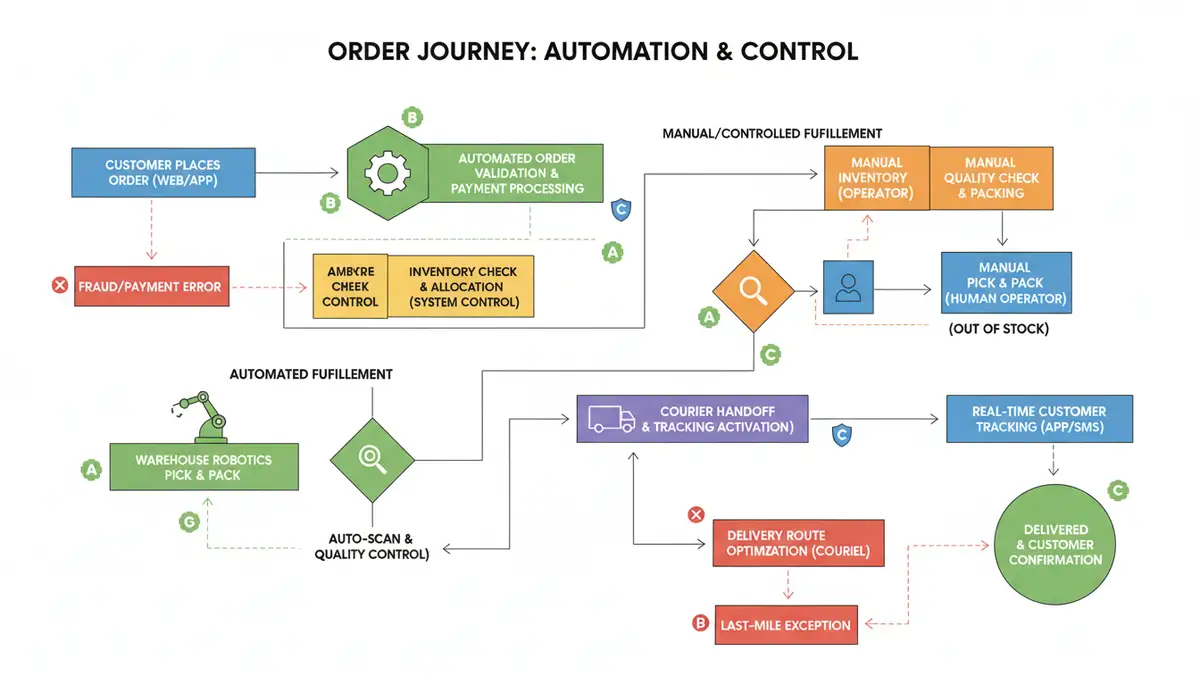
Selecting the best ecommerce order management software is a pivotal step for any business aiming for sustained growth. It’s about more than just managing orders; it’s about optimizing your entire operational flow. A powerful, integrated solution like Odoo provides the foundation for efficiency, customer satisfaction, and scalability. It truly enables you to thrive in a competitive market.
Remember, the right OMS empowers you to meet customer demands, reduce operational costs, and make data-driven decisions. If you’re ready to explore how Odoo can transform your ecommerce operations, our team at Odiware is here to help. We provide expert guidance and tailored implementation services. Don’t let complex order management hold your business back. Contact us today for a consultation and discover your path to streamlined success.


