In today’s digital economy, your online presence is often the first impression customers have of your brand. Understanding what is an ecommerce storefront is absolutely fundamental for any business looking to thrive online. Think of it as your virtual shop window and sales floor, all rolled into one dynamic platform. This digital space is where products are displayed, customer interactions happen, and transactions are completed.
As Odoo consultants at Odiware, we see many businesses grapple with the complexities of establishing a robust online presence. A well-designed ecommerce storefront is more than just a website; it is a critical business asset. It directly impacts your sales, customer satisfaction, and operational efficiency. In 2025, a strong ecommerce storefront is not just an option, but a necessity for growth.
What is an Ecommerce Storefront? The Digital Face of Your Business
At its core, what is an ecommerce storefront? It is the user-facing part of your online store. This is the interface customers interact with directly. It includes everything from your product pages and shopping cart to your checkout process and customer account sections. Essentially, it is the digital environment where buying and selling activities occur.
This digital storefront serves as your primary sales channel in the online world. It welcomes visitors, guides them through your product offerings, and facilitates their purchasing decisions. For a broader understanding of the underlying concept, you can explore more about e-commerce on Investopedia. A successful storefront builds trust and provides a seamless shopping experience.
In 2025, customer expectations are higher than ever. Your ecommerce storefront must be intuitive, fast, and visually appealing. It needs to reflect your brand identity and offer a consistent experience across all devices. We often advise clients that their storefront is a continuous project, not a one-time build. It requires ongoing optimization and adaptation to market trends.
Core Components of an Effective Ecommerce Storefront
To truly understand what is an ecommerce storefront, you must examine its essential building blocks. Each component plays a vital role in creating a functional and engaging online shopping experience. Neglecting any one area can significantly impact your overall success.
Product Catalog and Listings
This is where you showcase your products. High-quality images, detailed descriptions, pricing, and availability are crucial. Your product catalog needs to be easily navigable and searchable. Rich content, like videos and customer reviews, significantly enhances product appeal and conversion rates. It helps customers make informed decisions.
Shopping Cart and Checkout Process
A smooth, secure, and intuitive checkout process is non-negotiable. Customers abandon carts quickly if the process is complicated or lengthy. This includes clear steps, multiple payment options, and transparent shipping costs. Security is paramount here to build customer trust.
Customer Accounts and Personalization
Allowing customers to create accounts simplifies repeat purchases and provides access to order history. Personalization features, such as recommended products based on past purchases or browsing behavior, enhance the shopping experience. This fosters loyalty and increases average order value.
Search and Navigation
Customers need to find what they are looking for quickly. A powerful search function with filters and categories is essential. Clear navigation menus guide users through your site effortlessly. Poor navigation leads to frustration and lost sales.
Content Management System (CMS)

A CMS allows you to manage non-product content like blog posts, ‘About Us’ pages, and promotional banners. This content is vital for SEO and engaging your audience. It helps tell your brand story and provides valuable information to visitors.
Types of Ecommerce Storefront Architectures
The architecture behind your ecommerce storefront significantly impacts its flexibility, scalability, and integration capabilities. Understanding these differences is key to making an informed platform choice. When considering what is an ecommerce storefront, its underlying structure is as important as its appearance.
Monolithic (All-in-One) Storefronts
Many traditional ecommerce platforms, including Odoo’s integrated solution, offer a monolithic architecture. Here, the frontend (what customers see) and the backend (inventory, orders, CRM) are tightly coupled. This approach simplifies initial setup and management. It provides a comprehensive, out-of-the-box solution.
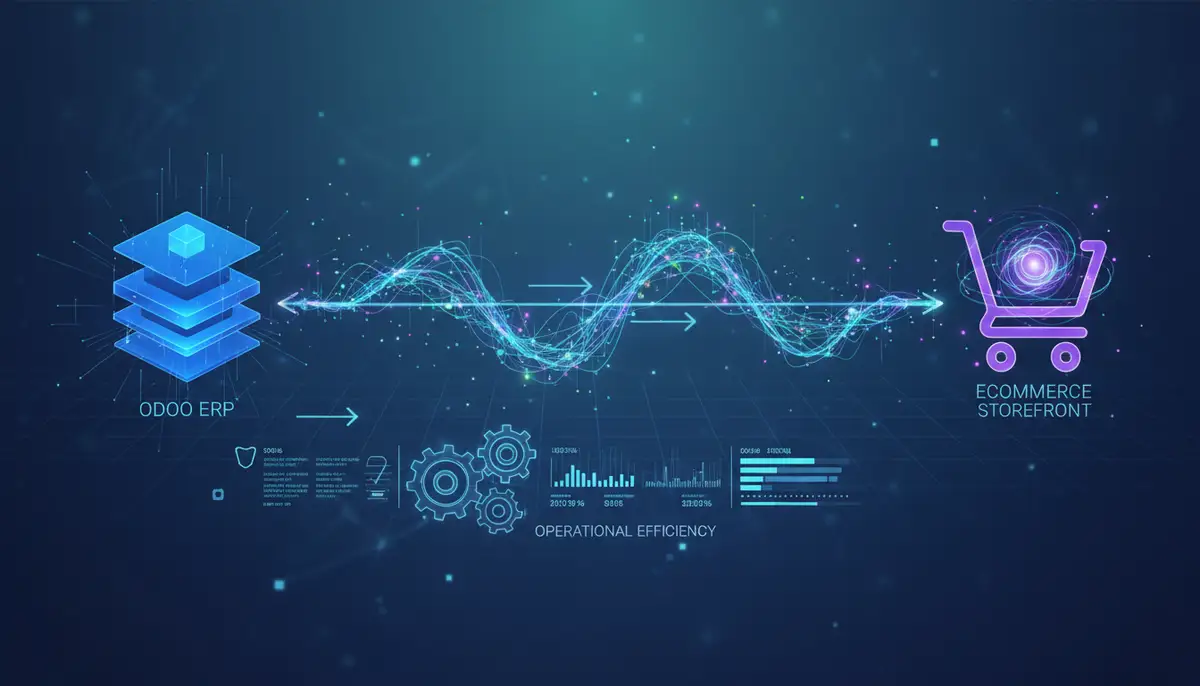
For many small to medium-sized businesses, this integrated model offers significant advantages. It reduces complexity and ensures seamless data flow between different business functions. Odoo, for instance, provides a unified system where your ecommerce storefront is directly connected to your inventory, sales, accounting, and CRM. This eliminates data silos and improves operational efficiency.
Headless Commerce Storefronts
Headless commerce separates the frontend presentation layer from the backend commerce engine. This means you can use any frontend technology (like React or Vue.js) to build your storefront. The backend provides data and functionality via APIs. This offers unparalleled flexibility in design and user experience.
While more complex to implement, headless commerce is ideal for businesses requiring highly customized customer experiences or integrating with multiple diverse systems. Companies like Vtex provide insights into what defines an ecommerce storefront in this modern context. It allows for innovative customer journeys without being constrained by platform limitations. However, it requires a more robust development team or an experienced partner like Odiware.
| Feature | Monolithic Storefronts | Headless Storefronts |
|---|---|---|
| Integration | Tightly coupled frontend and backend | Decoupled frontend and backend via APIs |
| Customization | Good, but within platform limits | Highly flexible and customizable |
| Complexity | Generally simpler to set up | More complex development and maintenance |
| Performance | Can be optimized, but often tied to platform | Potential for superior performance and speed |
| Best For | SMBs, businesses needing integrated ERP | Large enterprises, unique UX requirements |
Key Features Your Ecommerce Storefront Must Have in 2025
Beyond the basic components, certain features are now non-negotiable for a competitive ecommerce storefront. These elements directly impact customer satisfaction and your ability to convert visitors into buyers. When we discuss what is an ecommerce storefront with our clients, we always emphasize these critical capabilities.
- Mobile Responsiveness: Your storefront must look and function perfectly on smartphones and tablets. A significant portion of online shopping happens on mobile devices.
- Robust Search & Filtering: Advanced search capabilities, including faceted search and intelligent filters, help customers quickly find specific products.
- High-Quality Product Media: Beyond static images, include 360-degree views, videos, and augmented reality (AR) experiences to bring products to life.
- Personalization & Recommendations: Leverage AI to offer tailored product suggestions, content, and promotions based on user behavior and preferences.
- Secure Payment Gateways: Offer a variety of trusted payment options, including credit cards, digital wallets, and local payment methods. Ensure PCI compliance.
- Customer Reviews & Ratings: Social proof is powerful. Allow customers to leave reviews and display them prominently. This builds trust.
- SEO-Friendly Structure: Your storefront needs to be optimized for search engines to ensure discoverability. This includes clean URLs, meta tags, and fast loading speeds. For more on optimizing your online presence, check out insights on what is an ecommerce storefront.
- Analytics & Reporting: Integrate tools to track user behavior, sales data, and marketing campaign performance. This data is essential for continuous improvement.
- Multi-language and Multi-currency Support: If you target international markets, these features are essential for a global audience.
The Business Impact of a Well-Designed Ecommerce Storefront
The quality of your ecommerce storefront directly correlates with your business’s success in the digital realm. It is not merely a cost center; it is a revenue driver and a brand builder. Understanding what is an ecommerce storefront from a strategic perspective reveals its true value.
A well-designed storefront enhances customer experience, leading to higher conversion rates and increased customer loyalty. It also provides invaluable data for business forecasting and strategic planning. You can gain a deeper understanding of the core concept by watching this video:
. This video explains how it acts as your online equivalent of a physical store.
- Increased Sales and Revenue: An intuitive, appealing storefront encourages purchases and reduces cart abandonment.
- Enhanced Brand Image: A professional, user-friendly site builds credibility and reinforces your brand’s reputation.
- Improved Customer Loyalty: A seamless shopping experience encourages repeat business and positive word-of-mouth.
- Market Reach Expansion: Your storefront allows you to reach customers beyond geographical limitations, opening up new markets.
- Data-Driven Decision Making: Integrated analytics provide insights into customer behavior, product performance, and marketing effectiveness.
- Operational Efficiency: When integrated with a robust ERP like Odoo, your storefront streamlines order processing, inventory management, and customer service.

The impact extends beyond immediate sales. It shapes your long-term relationship with customers and your ability to scale. This is why investing in a quality ecommerce storefront is a strategic imperative, not just a technical one.
Odoo’s Role in Powering Your Ecommerce Storefront
For businesses seeking a truly integrated solution, Odoo offers a powerful platform to build and manage your ecommerce storefront. Odoo’s unique value proposition lies in its unified approach. It connects your online store directly with all other aspects of your business operations.
When you ask what is an ecommerce storefront powered by Odoo, the answer is a fully synchronized digital hub. Your product catalog, inventory levels, customer data, sales orders, and accounting records all reside within a single system. This eliminates the need for complex integrations between disparate systems, which can often be a source of errors and inefficiencies.
With Odoo, updating a product price or inventory count in the backend immediately reflects on your live storefront. Orders placed online automatically flow into your sales and accounting modules. This level of integration provides real-time visibility and significantly improves operational workflows. To learn more about the broader advantages, explore the benefits of Odoo for modern enterprises.
Odiware Technologies specializes in Odoo ERP implementation. We help businesses leverage Odoo’s ecommerce capabilities to their fullest. Our expertise ensures that your storefront is not just visually appealing, but also deeply integrated and optimized for your specific business processes. We ensure your Odoo ecommerce storefront works seamlessly.
Best Practices for Your Ecommerce Storefront
Building a successful ecommerce storefront requires adherence to several best practices. These guidelines ensure your digital store is not only functional but also highly effective in achieving your business goals. Our experience shows that attention to these details makes a significant difference in what is an ecommerce storefront’s ultimate performance.
User Experience (UX) and Design
Prioritize a clean, intuitive design. Your site should be easy to navigate, with clear calls to action. Visual appeal is important, but usability is paramount. A cluttered or confusing layout drives customers away.
Mobile-First Approach
Design your storefront for mobile devices first. Most users access websites via smartphones. Ensure fast loading times and responsive layouts across all screen sizes. This is no longer optional; it is a fundamental requirement.
Search Engine Optimization (SEO)
Optimize your product pages and content for search engines. Use relevant keywords, compelling meta descriptions, and high-quality content. This improves your visibility and drives organic traffic. A well-optimized storefront is easily found by potential customers.
Security and Trust
Implement SSL certificates, secure payment gateways, and clear privacy policies. Customers need to feel safe when transacting on your site. Transparency builds trust and encourages purchases.
Analytics and Continuous Improvement
Regularly monitor your storefront’s performance using analytics tools. Identify areas for improvement, A/B test changes, and iterate based on data. This proactive approach ensures your storefront evolves with customer needs. This data is also crucial for sound business forecasting and strategic planning.
Common Mistakes to Avoid When Building an Ecommerce Storefront
Even with the best intentions, businesses often make common mistakes when developing their ecommerce storefront. Avoiding these pitfalls can save you significant time, money, and customer frustration. When evaluating what is an ecommerce storefront, it is equally important to understand what it should not be.
- Neglecting Mobile Optimization: Launching a desktop-only site in 2025 is a recipe for failure. Ensure your site is fully responsive.
- Slow Loading Speeds: Customers expect instant gratification. Slow pages lead to high bounce rates and lost sales.
- Complex Checkout Process: Too many steps or required fields will cause cart abandonment. Keep it simple and streamlined.
- Poor Product Descriptions and Images: Vague descriptions or low-quality visuals fail to inform and engage customers.
- Ignoring SEO: Without proper SEO, your beautiful storefront will remain hidden from search engines and potential customers.
- Lack of Customer Support: No visible contact information or slow response times erode trust. Provide clear support channels.
- Inadequate Security: Failing to secure customer data and payment information can lead to severe reputational damage and legal issues.
- Over-customization Without Purpose: While flexibility is good, excessive or poorly planned customizations can introduce bugs and make future updates difficult. Even experienced companies like serpentcs.com, odooimplementers.com, and ksolves.com emphasize the importance of strategic development.
These mistakes are often preventable with careful planning and expert guidance. A strategic approach to your ecommerce storefront involves anticipating these challenges and building solutions from the outset.
When to Involve an Odoo Consultant for Your Ecommerce Storefront
While some businesses attempt a DIY approach, the complexity of a truly effective ecommerce storefront often warrants expert assistance. Knowing when to engage an Odoo consultant can be the difference between a mediocre online presence and a thriving digital business. This is especially true when defining what is an ecommerce storefront for your specific industry needs.
You should consider involving a consultant from Odiware Technologies when facing specific challenges or strategic goals. Our team brings deep experience in Odoo ERP implementation and custom software solutions. We help streamline operations and enhance productivity through integrated systems.
- Complex Integration Needs: If your storefront needs to integrate with existing ERP, CRM, or specialized third-party systems, an expert ensures seamless data flow.
- Scalability Requirements: Planning for future growth means building a storefront that can handle increased traffic and product volume without performance issues.
- Custom Feature Development: When out-of-the-box features don’t meet your unique business requirements, a consultant can develop tailored solutions.
- Performance Optimization: If your storefront is slow or experiencing technical glitches, a consultant can diagnose and resolve performance bottlenecks.
- Strategic Planning and Roadmap: An Odoo consultant can help you define a long-term strategy for your ecommerce presence, aligning it with your overall business objectives.
- Data Migration: Moving from an old platform to a new Odoo ecommerce storefront requires careful data migration to avoid loss or corruption.
- Security Audits and Compliance: Ensuring your storefront meets industry security standards and regulatory compliance is critical, particularly for payment processing.
Engaging Odiware means partnering with experts who understand both the technical intricacies of Odoo and the strategic demands of modern ecommerce. We ensure your ecommerce storefront is not just functional, but a powerful engine for your business growth.
Frequently Asked Questions about Ecommerce Storefronts
Here are some common questions businesses ask about their online retail presence.
- Q: What is an ecommerce storefront compared to an ecommerce platform?
A: An ecommerce storefront is the customer-facing part of your online store, including the website design, product pages, and checkout. An ecommerce platform is the underlying software infrastructure that provides the tools to build and manage the storefront, handle transactions, and manage backend operations. - Q: How long does it take to build an ecommerce storefront?
A: The timeline varies greatly depending on complexity, customization, and platform choice. A basic storefront might take weeks, while a highly customized, integrated solution can take several months. Odoo implementations can be agile, but robust solutions require thorough planning. - Q: Is an ecommerce storefront expensive to maintain?
A: Maintenance costs include hosting, software licenses, security updates, ongoing development, and marketing. These costs can range widely. However, a well-maintained storefront offers a strong return on investment. - Q: Can an ecommerce storefront integrate with my existing ERP system?
A: Yes, many modern ecommerce platforms, especially Odoo, are designed for deep integration with ERP systems. This ensures seamless data flow for inventory, orders, customer data, and accounting. However, complex integrations often require expert assistance. - Q: What are the biggest challenges in managing an ecommerce storefront?
A: Key challenges include staying competitive, managing inventory efficiently, providing excellent customer service, ensuring cybersecurity, optimizing for mobile, and continuously adapting to changing customer expectations and technologies.
Conclusion: Your Strategic Ecommerce Storefront Partner
Understanding what is an ecommerce storefront is the first step toward building a powerful online presence. It is your digital flagship store, a critical touchpoint for your customers, and a core driver of your business growth. In today’s competitive landscape, merely having an online store is not enough; it needs to be strategic, integrated, and continuously optimized.
At Odiware Technologies, we believe in empowering businesses with robust, integrated solutions. Our expertise in Odoo ERP consulting ensures that your ecommerce storefront is not just a standalone website, but a seamlessly connected part of your entire business ecosystem. We help you build a digital presence that truly performs, streamlines operations, and drives profitability.
If you are looking to build a new ecommerce storefront, optimize an existing one, or integrate your online sales channel with a powerful ERP like Odoo, we are here to guide you. Let us help you navigate the complexities of digital commerce and unlock your full online potential. Feel free to Contact us for a consultation and discover how Odiware can be your trusted partner.