


Introduction: The Imperative of Effective Asset Management in 2025
In today’s fast-paced business environment, understanding and optimizing your company’s assets is not just good practice; it’s essential for survival and growth. Businesses are increasingly recognizing the critical role that robust asset management plays in financial health and operational efficiency. This is where a powerful solution like asset management Odoo comes into play. It offers a unified approach to tracking, valuing, and depreciating your valuable resources, ensuring you have a clear picture of your investments. We often see clients struggling with disparate systems, leading to errors and missed opportunities. However, with Odoo, you gain a centralized hub for all your asset-related data.
As Odoo consultants at Odiware, we understand the nuances of implementing such a system. Our goal is to guide you through the complexities, ensuring your asset management Odoo setup truly serves your business objectives. This article will delve into why effective asset management is crucial, how Odoo addresses these needs, and the best practices for a successful implementation. We will also highlight common pitfalls and when it’s best to engage expert assistance.
What is Asset Management in Odoo?
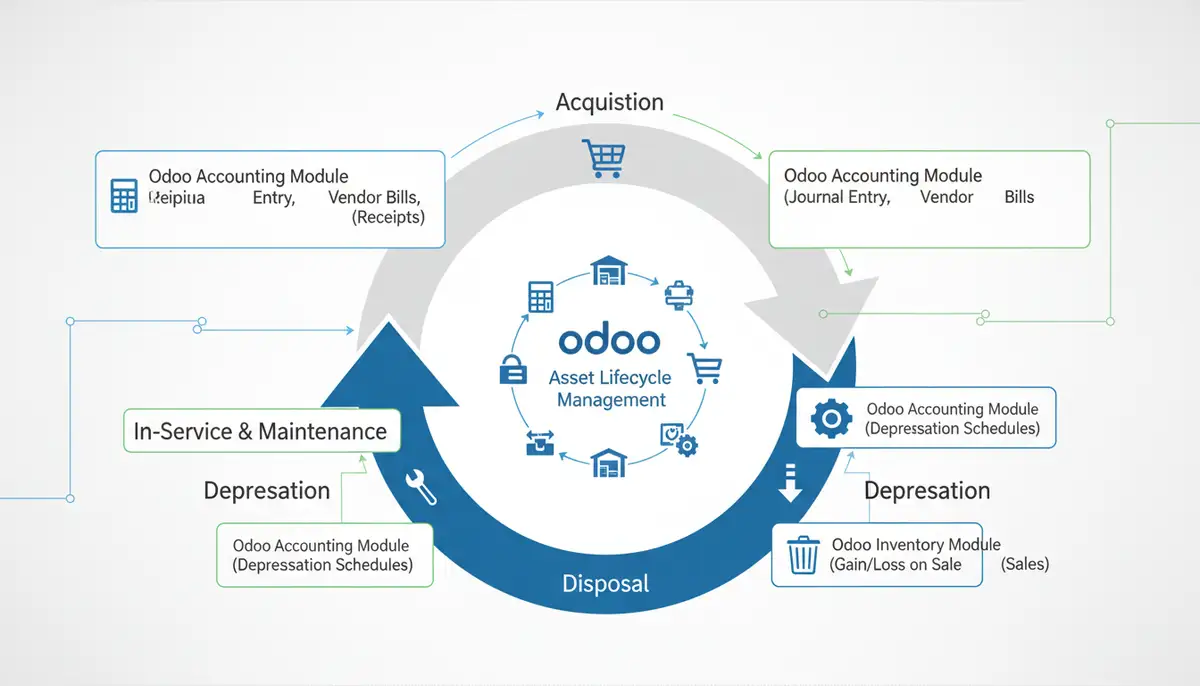
Asset management in Odoo refers to the comprehensive suite of functionalities within the Odoo ERP system designed to track and manage an organization’s fixed assets throughout their entire lifecycle. This includes everything from acquisition and depreciation to maintenance and eventual disposal. It’s more than just a ledger; it’s an integrated system that connects with your accounting and inventory modules. This integration provides a holistic view of your assets’ financial and physical status. For a deeper dive into how Odoo manages assets, you might find this guide on Odoo 18 asset management helpful.
The core of Odoo’s asset management lies in its ability to automate depreciation calculations. It supports various depreciation methods, ensuring compliance with accounting standards. Imagine the time saved and the accuracy gained when your system automatically calculates and posts depreciation entries. This automation reduces manual errors and provides real-time financial insights. Furthermore, Odoo allows you to track assets by location, department, or responsible employee, adding another layer of control and accountability. This level of detail is invaluable for large organizations with diverse asset portfolios.
Why Effective Asset Management Matters for Your Business
Effective asset management goes beyond simple record-keeping. It directly impacts your bottom line and operational efficiency. Here’s why it’s a non-negotiable for modern businesses:
- Financial Accuracy and Reporting: Correctly tracking assets and depreciation ensures your financial statements are accurate. This is crucial for investor confidence and regulatory compliance.
- Optimized Resource Utilization: Knowing where your assets are and how they are performing helps you make informed decisions. You can identify underutilized assets or those nearing the end of their useful life.
- Reduced Costs: Proper maintenance scheduling, facilitated by asset tracking, extends asset lifespan and prevents costly breakdowns. It also helps in optimizing insurance premiums.
- Compliance and Auditing: A well-structured asset management system simplifies audits and ensures adherence to accounting principles like IFRS or GAAP. This minimizes legal and financial risks.
- Strategic Decision-Making: With real-time data on asset performance and value, you can make better decisions about future investments, upgrades, or disposals. This directly influences your capital expenditure planning.
Without a robust system, businesses often face challenges like ghost assets, incorrect depreciation, and poor capital budgeting. These issues can lead to significant financial discrepancies and operational inefficiencies. Implementing asset management Odoo addresses these challenges head-on, providing a clear, verifiable record of all your fixed assets.
Key Features of Odoo’s Asset Management Module
Odoo’s asset management module is designed with flexibility and integration in mind. It offers a range of features that cater to diverse business needs, from small enterprises to large corporations. Understanding these features is key to leveraging the full power of asset management Odoo.
Asset Creation and Categorization
You can easily create new asset records, assigning unique identifiers and linking them to specific asset categories. These categories can have predefined depreciation methods and accounts, streamlining the setup process. This ensures consistency and reduces manual data entry errors. For instance, you might categorize ‘Vehicles’ differently from ‘Office Equipment’.
Automated Depreciation Schedules
Odoo supports various depreciation methods, including straight-line, declining balance, and sum-of-the-years’ digits. Once an asset is created with its useful life and depreciation method, Odoo automatically generates the depreciation schedule. This automation is a cornerstone of efficient asset management Odoo.
Accounting Integration
Seamless integration with Odoo’s accounting module is a major advantage. Depreciation entries are automatically posted to the general ledger, impacting your balance sheet and income statement in real-time. This eliminates the need for manual journal entries and improves financial reporting accuracy. It also helps you understand the difference between concepts like gross sales vs net sales by providing accurate asset valuation.
Asset Disposal and Sales
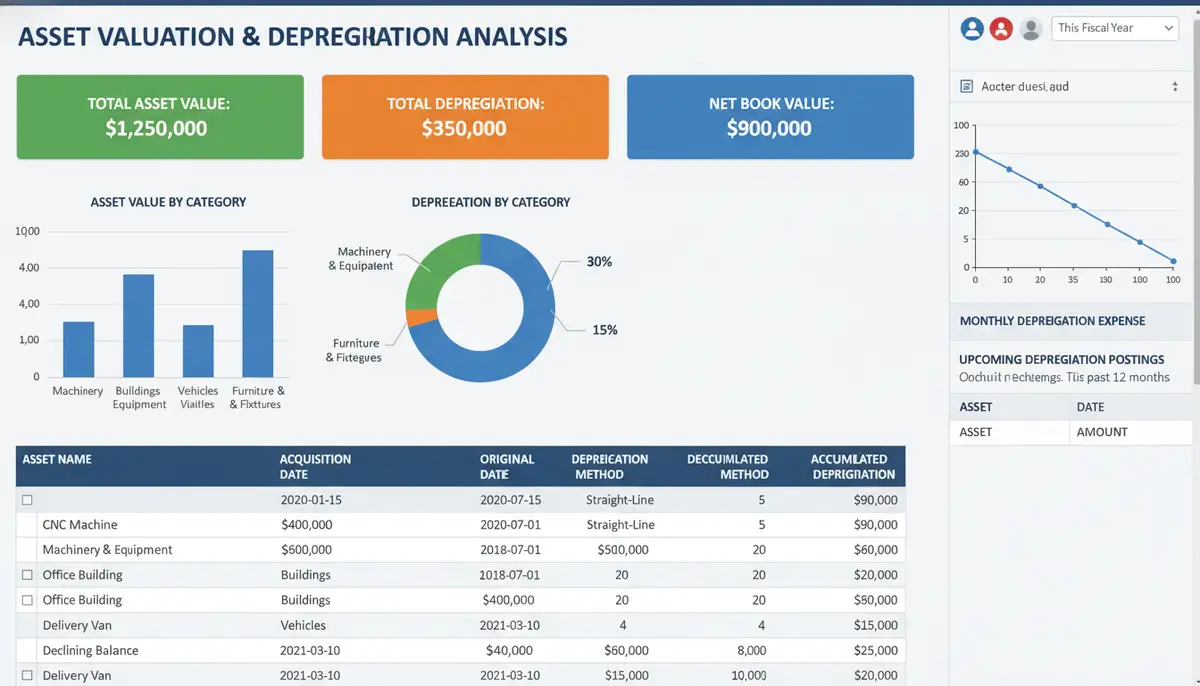
When an asset is sold or disposed of, Odoo handles the necessary accounting adjustments. It calculates any gain or loss on disposal, ensuring compliance with accounting standards. This process is crucial for maintaining accurate asset records and financial statements.
Reporting and Analysis
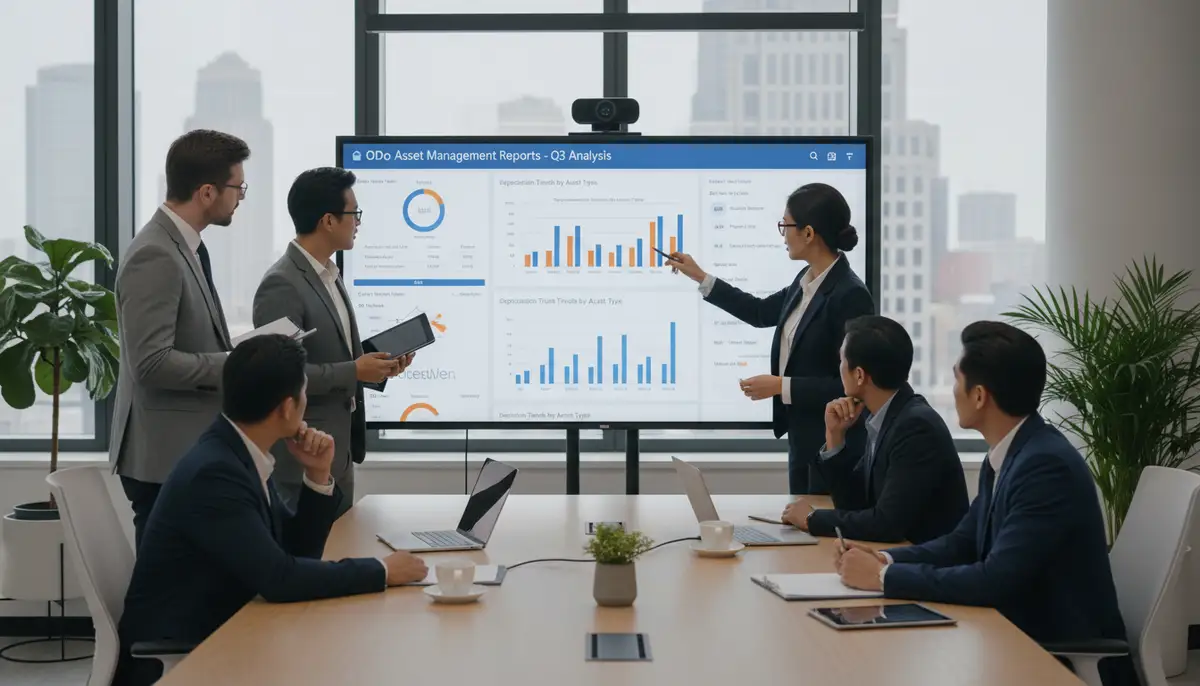
Odoo provides robust reporting tools for asset management. You can generate depreciation schedules, asset valuation reports, and detailed asset listings. These reports offer valuable insights into your asset base, aiding in strategic planning and compliance. This analytical capability is a significant benefit of asset management Odoo.
Implementing Asset Management Odoo: Best Practices
Implementing any new ERP module requires careful planning and execution. Asset management Odoo is no exception. Follow these best practices to ensure a smooth and successful deployment that maximizes your return on investment.
Define Your Asset Management Strategy
Before touching the software, clearly define what you want to achieve. What types of assets will you track? What depreciation methods do you need? What reporting requirements are critical? A clear strategy will guide your configuration. This foundational step is often overlooked, leading to downstream issues.
Data Cleansing and Migration
Your existing asset data might be scattered or inconsistent. Before migrating to Odoo, cleanse your data. Ensure accuracy in acquisition dates, costs, useful lives, and salvage values. Poor data quality will undermine the effectiveness of your asset management Odoo system. This process can be labor-intensive but is absolutely vital.
Standardize Asset Categories and Depreciation Rules
Establish clear, consistent categories for your assets. Assign appropriate depreciation methods and accounts to each category. This standardization simplifies data entry, automates calculations, and ensures consistent financial reporting across your organization. It also makes future audits much easier.
Integrate with Other Odoo Modules
Leverage Odoo’s integrated nature. Connect asset management with your purchasing, inventory, and accounting modules. For example, assets purchased through the Odoo Purchase module can automatically create asset records. This integration reduces duplicate efforts and enhances data flow. This is a core strength of asset management Odoo.
User Training and Adoption
Invest in thorough training for your team. Ensure they understand how to create, manage, and report on assets within Odoo. User adoption is critical for the success of any ERP implementation. A well-trained team will maximize the benefits of your asset management Odoo system.
Common Challenges and How to Avoid Them
Even with the best planning, challenges can arise during the implementation and ongoing use of asset management Odoo. Recognizing these common pitfalls allows you to proactively mitigate risks.
Challenge 1: Inaccurate Initial Data
Starting with incorrect or incomplete asset data can cripple your system from the outset. This leads to inaccurate depreciation, incorrect financial statements, and a lack of trust in the system. To avoid this, dedicate ample time to data cleansing and validation before migration. Consider a phased approach to data entry, verifying each record meticulously.
Challenge 2: Overlooking Unique Business Requirements
Every business has unique needs, especially regarding specific asset types or complex depreciation rules. A ‘one-size-fits-all’ approach rarely works perfectly. Ensure your implementation partner thoroughly understands your specific requirements. Odoo offers flexibility, but sometimes custom configurations or additional modules are necessary. You can explore community modules like the Odoo Community Assets Management module for specific needs.
Challenge 3: Lack of Integration with Other Modules
Failing to integrate asset management Odoo with other relevant modules (like purchasing, inventory, or maintenance) creates data silos. This defeats the purpose of an integrated ERP. Plan for comprehensive integration from the start. This ensures a seamless flow of information and maximizes automation opportunities. For example, linking asset purchases directly to asset creation.
| Challenge | Impact | Solution |
|---|---|---|
| Poor Data Quality | Inaccurate financials, distrust in system | Thorough data cleansing and validation |
| Ignoring Custom Needs | Suboptimal system, missed opportunities | Detailed requirements gathering, potential customizations |
| Lack of Integration | Data silos, manual effort, errors | Plan for full module integration upfront |
| Insufficient Training | Low user adoption, inefficient processes | Comprehensive user training and ongoing support |
Real-World Impact: Odoo Asset Management in Action
Let’s consider a manufacturing company with hundreds of machines, vehicles, and IT equipment. Before Odoo, they used spreadsheets, leading to errors in depreciation calculations and difficulty tracking asset locations. Auditors often found discrepancies, causing delays and penalties. The finance team spent days manually reconciling asset registers.
After implementing asset management Odoo, their entire process transformed. New machinery purchases automatically created asset records. Depreciation was calculated and posted without manual intervention. The operations team could quickly locate any asset, and maintenance schedules were linked directly to asset records. This resulted in a 15% reduction in unplanned downtime and a 20% improvement in audit efficiency. The finance team now spends their time on analysis, not data entry. This is the kind of tangible benefit that a well-implemented asset management Odoo solution delivers.
When to Engage an Odoo Consultant for Asset Management
While Odoo is user-friendly, implementing a critical module like asset management often benefits greatly from expert guidance. Knowing when to call in a consultant can save you time, money, and headaches. Here at Odiware, we specialize in making these complex transitions smooth and effective.
Complex Depreciation Rules
If your business uses non-standard or highly complex depreciation methods, a consultant can help configure Odoo to meet these specific accounting requirements. They ensure compliance and accuracy, avoiding costly errors. This is particularly true for industries with specialized regulations.
Multiple Entities or International Operations
Managing assets across multiple legal entities, currencies, or international tax jurisdictions adds significant complexity. An Odoo consultant can help design a multi-company, multi-currency setup that correctly handles intercompany asset transfers and diverse reporting needs. This expertise is invaluable for global businesses.
Integration with Legacy Systems or Custom Modules
If you need to integrate asset management Odoo with existing legacy systems or require custom functionality, a consultant provides the technical expertise. They can develop custom modules or APIs to ensure seamless data flow and functionality. This ensures your entire ecosystem works together efficiently.
Engaging a partner like Odiware ensures that your asset management Odoo implementation is not just functional, but optimized for your unique business context. We bring years of experience in Odoo ERP consulting services to the table, helping you navigate potential challenges and unlock maximum value. Our team focuses on understanding your business processes first, then tailoring Odoo to fit those needs perfectly.
Choosing the Right Odoo Asset Management Solution
When looking for an Odoo asset management solution, you’ll encounter various options. Odoo’s native module is robust, but sometimes businesses look for specialized apps or community contributions. For example, BroadTech IT Solutions offers a simple and independent Asset Management App on the Odoo Apps Store. Your choice depends on your specific needs, budget, and desired level of customization.
Consider whether the Odoo Enterprise version’s built-in features suffice or if you need community modules for specific functionalities. Evaluate the long-term support and upgrade path for any third-party solutions. Companies like ksolves.com, o2btechnologies.com, and odooimplementers.com also provide Odoo services and solutions. However, a key factor is partnering with an Odoo implementer who deeply understands your industry and can customize the solution to your exact requirements. This ensures that your chosen asset management Odoo setup is scalable and future-proof.
Future Trends in Asset Management with Odoo
The landscape of asset management is continuously evolving, driven by technological advancements. Odoo is well-positioned to integrate these future trends, offering even greater value to businesses. We are seeing a strong move towards more proactive and predictive approaches.
IoT Integration for Real-time Tracking
Imagine assets equipped with IoT sensors providing real-time data on their location, usage, and condition directly into Odoo. This integration will enable hyper-accurate tracking and proactive maintenance scheduling. It moves asset management Odoo from reactive to predictive.
AI and Machine Learning for Predictive Maintenance
AI algorithms can analyze historical data from assets to predict potential failures before they occur. Odoo could leverage machine learning to optimize maintenance schedules, minimizing downtime and extending asset lifespan. This intelligence takes asset management Odoo to a new level of efficiency.
Frequently Asked Questions About Asset Management Odoo
Q1: Can Odoo handle multiple depreciation methods simultaneously?
Yes, Odoo’s asset management module is designed to support various depreciation methods. You can assign different methods to different asset categories or even individual assets. This flexibility ensures compliance with diverse accounting standards and internal policies. It’s a key strength of asset management Odoo.
Q2: Is it possible to track assets by location or department in Odoo?
Absolutely. Odoo allows you to add custom fields to asset records, including location, department, or responsible employee. This capability enhances accountability and provides granular control over your asset inventory. It’s vital for large organizations with distributed assets.
Q3: How does Odoo’s asset management integrate with the accounting module?
Odoo’s asset management is deeply integrated with its accounting module. When you configure an asset, you link it to specific depreciation accounts. Odoo then automatically generates and posts journal entries for depreciation periodically. This ensures real-time updates to your financial statements without manual intervention.
Q4: Can Odoo manage asset maintenance schedules?
While the core asset management module focuses on financial tracking, Odoo has a dedicated Maintenance module. This module integrates seamlessly with asset records, allowing you to schedule preventive maintenance, track repairs, and manage maintenance requests. This creates a comprehensive asset lifecycle management system when combined with asset management Odoo.
Conclusion: Unlock Your Assets’ Full Potential with Odoo
Effective asset management is no longer a luxury but a strategic necessity. Odoo provides a robust, integrated, and flexible platform to manage your fixed assets, from acquisition to disposal. By automating depreciation, ensuring financial accuracy, and providing real-time insights, asset management Odoo empowers businesses to make smarter decisions and optimize their operations. The benefits extend across finance, operations, and compliance, driving significant value for your organization.
However, realizing the full potential of asset management Odoo requires more than just installing the module. It demands a clear strategy, meticulous data preparation, and often, expert guidance. As experienced Odoo consultants, Odiware is here to partner with you. We help you navigate the complexities, tailor Odoo to your unique needs, and ensure a successful implementation that delivers tangible results. Don’t let your assets be a source of uncertainty; transform them into a strategic advantage. If you’re ready to explore how Odoo can revolutionize your asset management, we invite you to ‘Talk to our experts’ today. Alternatively, you can always ‘Try Free Trial’ to experience Odoo firsthand.


