Home / The Complete Guide to Odoo ERP / Implementation, Buying Guide & Industry
Odoo Guide · Cluster G of 7

How to Plan and Budget an Odoo Implementation

Real costs, common risks, why businesses move off Excel and competing platforms, and what a rollout looks like industry by industry.

Most Odoo implementations don't fail on the software — they fail on planning: unclear scope, underestimated cost, and no risk plan for the handful of things that go wrong in every rollout. This guide is for the decision-maker stage — before you've picked a partner, while you're still building the business case — covering implementation cost benchmarks, the most common risks and how to plan around them, why businesses are moving off Excel and competing platforms, and industry-specific considerations for sectors like textile manufacturing.

In This Guide

What to Get Right Before You Sign a Contract

Budgeting Realistically

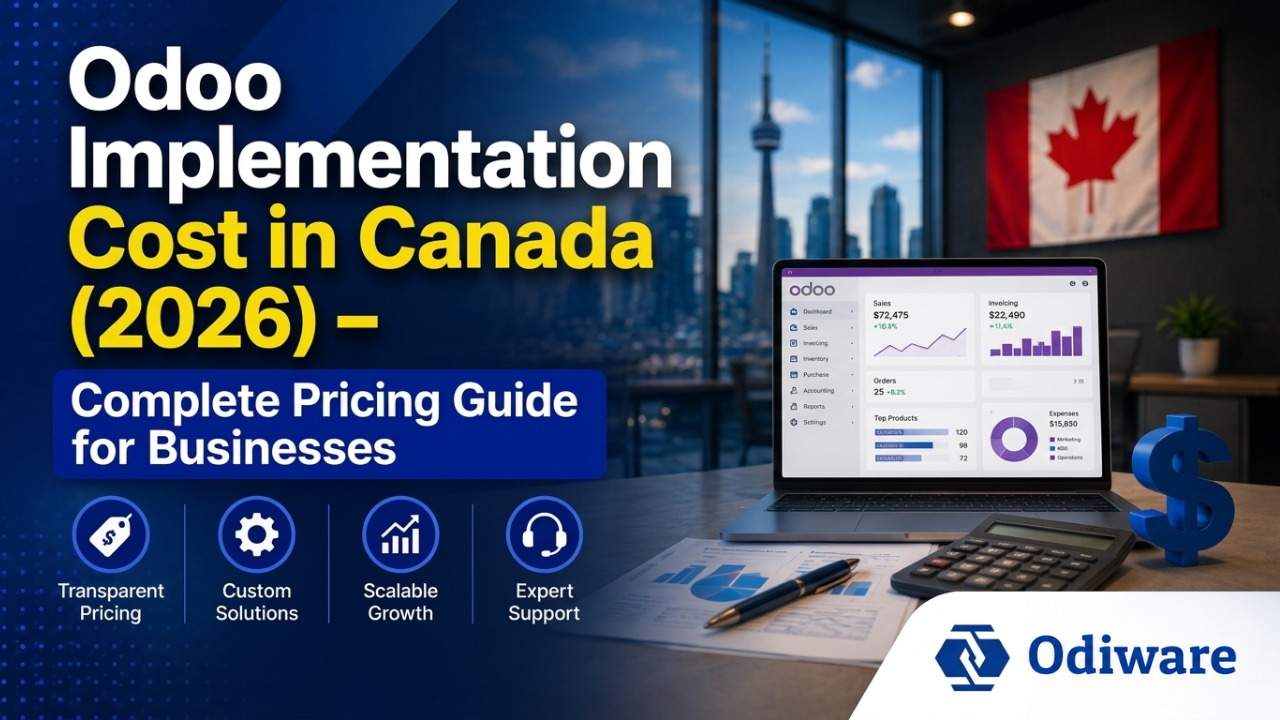
Implementation cost varies hugely by scope and region — our Canada cost breakdown is a real benchmark, not a generic estimate. Check the full Community vs. Enterprise pricing matrix on our Odoo pricing page before setting a budget.

Planning Around Common Risks

Data migration quality, user adoption, and scope creep account for most implementation risk — not the software itself. Knowing the common failure modes in advance is most of the prevention.

Industry Fit

Textile manufacturing and other process-heavy industries have specific inventory and production requirements — see our Textile & Garment industry page for how Odoo maps to sector-specific workflows.

Ready to Scope Your Odoo Implementation?

Odiware plans and delivers Odoo implementations, consulting engagements, and migrations from legacy systems — with a realistic budget from day one.